
Best VPN for Traveling Abroad in 2026: What you Should Know
Traveling today means staying connected. At the same time, traveling exposes you to real online risks, from unsecured public Wi-Fi to blocked websites and location-based restrictions. These issues often go unnoticed until they cause frustration or put your personal data at risk, which is why digital security should be part of every traveler’s checklist.
In this guide, you’ll learn why using a VPN while traveling is no longer optional, how it protects your privacy, and how it can even help you save money and access your favorite content abroad.
I’ll also share why I personally trust NordVPN for my own travels and break down the key reasons it stands out as one of the best VPN for traveling abroad in 2026. If you want to travel smarter, safer, and with fewer online limitations, this guide will walk you through everything you need to know.
Just so you know: Some links on this page are affiliate links, which means I might earn a small commission if you book or buy through them, at no extra cost to you. Thank you for your support!
Traveling soon? Protect your data before you go.
Public Wi-Fi, geo-blocks, and online tracking are real risks when traveling. Using a trusted VPN like NordVPN helps you stay secure, private, and connected anywhere in the world.

What is a VPN
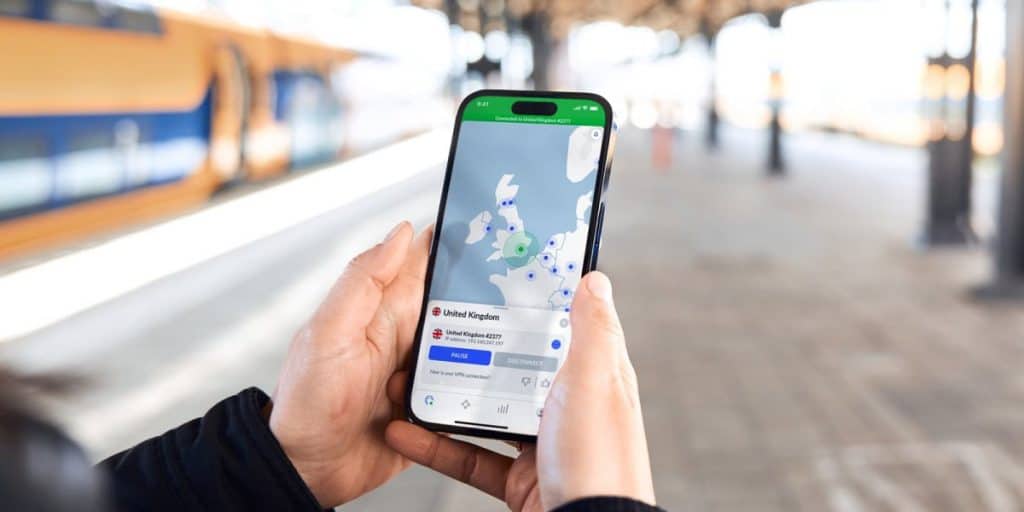
A VPN, or Virtual Private Network, is a tool that helps protect your privacy when you use the internet. Normally, when you go online, your device connects directly to websites through your internet service provider, which can see your activity. A VPN creates a secure, encrypted connection between your device and a remote server, making your internet traffic harder for others to view or track.
One of the main purposes of a VPN is to keep your data safe, especially when using public Wi-Fi networks like those in cafés, airports, or hotels. These networks can be vulnerable to hackers, but a VPN encrypts your information so that sensitive data such as passwords, messages, and personal details are protected. This added layer of security helps reduce the risk of cyberattacks.
A VPN can also help with online privacy and access. By masking your real IP address and replacing it with one from the VPN server, it makes it harder for websites and advertisers to identify your location or monitor your behavior. In some cases, VPNs allow users to access content that may be restricted in certain regions, offering more freedom and control over how they use the internet.
Why you need a VPN for traveling
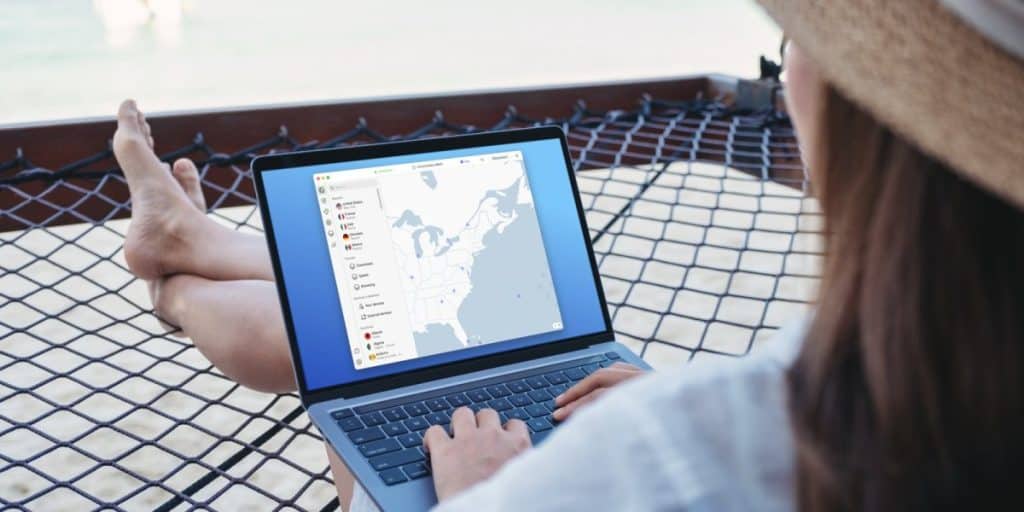
Traveling is exciting, but it also comes with digital risks and limitations that many people don’t consider. From unsecured public Wi-Fi to restricted access to familiar websites, staying connected while abroad can be challenging. Using a VPN while traveling helps protect your data, maintain your privacy, and ensure safe and reliable internet access wherever your journey takes you.
But let’s get into detail on why you need a VPN when travelling abroad:
1. To Protect Your Data on Public Wi-Fi
When traveling, you often rely on public Wi-Fi in airports, hotels, cafés, or train stations. While convenient, these networks are usually unsecured, meaning hackers can intercept your data without much effort. Personal information like passwords, emails, or payment details can be exposed. I’ve seen it many times happening to people I know, many of which were experienced travelers, and it can cause quite a big hassle.
A VPN protects you by encrypting your internet connection. This means that even if someone tries to access your data, it will appear as unreadable code. Using a VPN on public Wi-Fi significantly reduces the risk of cyberattacks and identity theft while you’re on the move.
2. Access Your Usual Content Anywhere
Did you know that TikTok is banned in Jordan? When you travel to another country, you may notice that some websites, streaming platforms, or apps don’t work the same way they do at home. This happens because many services restrict content based on geographic location.
A VPN allows you to connect to servers in your home country or other regions, making it appear as if you’re browsing from there. This helps you access familiar content, such as news sites, work tools, or streaming services, no matter where you are in the world.
3. To keep your online activity private
Different countries have different rules about internet monitoring and data collection. In some places, online activity may be tracked more closely by governments, internet providers, or advertisers, especially when using local networks.
A VPN hides your real IP address and replaces it with one from the VPN server. This makes it harder for third parties to track your location or browsing habits. For travelers, this added privacy offers peace of mind and more control over personal information.
4. To secure online Banking and Payments
Traveling often involves checking bank accounts, booking accommodations, or making online payments. Doing these activities on unfamiliar or unsecured networks can put your financial information at risk.
With a VPN, your connection is encrypted, making online transactions much safer. This helps protect sensitive data such as credit card numbers and login credentials, reducing the chance of fraud while you manage finances abroad.
Why Nord VPN is the best VPN for Traveling abroad in 2026

After covering all the reasons why a VPN is essential for traveling, the next question is simple: which VPN can you actually trust on the road?
NordVPN is the one I consistently come back to when I travel. It’s the VPN I personally use because it has proven to be reliable, fast, and genuinely focused on security, not just promises.
When I connect to hotel Wi-Fi, airport networks, or unfamiliar connections abroad, NordVPN is what gives me confidence that my data and privacy are protected. That personal trust is why I recommend it, and why I believe NordVPN stands out as one of the best VPN for traveling abroad in 2026. But let’s get into detail.
1. Unmatched Security and Privacy While Traveling
When I’m on the road, the first thing I worry about is privacy – especially on hotel or airport Wi-Fi. NordVPN uses military-grade encryption and a strict no-logs policy, meaning your browsing stays private and secure no matter where you connect from. It’s not just marketing speak – 5 independent audits have verified these protections, giving me real peace of mind.
What this means for you is that your personal data, like passwords, emails, banking info, and travel plans stays encrypted from prying eyes. I personally wouldn’t travel without it. If you want that same peace of mind, try NordVPN now and secure your connection wherever you go.
2. Fast, Reliable Connections in More Places
For me, connection speed isn a necessity, for example when I’m video-calling family or streaming movies on a long flight. NordVPN’s proprietary NordLynx protocol delivers some of the fastest VPN speeds on the market, so you don’t sacrifice performance just because you’re secure. This has consistently kept me buffering-free, even when I’m connecting from crowded networks abroad.
That reliability makes all the difference on long trips or when you’re relying on Wi-Fi that’s shared with hundreds of others.
3. Bypass Geo-Restrictions and Unblock Favorite Content
One of my favorite travel perks with NordVPN is being able to access home-country streaming and services abroad. Whether it’s my local Netflix library, news from back home, or even social media blocked in certain regions (I see you, Jordan), NordVPN’s SmartPlay and wide server network make it easy as hell to unblock content.
So no matter if you’re in Asia, Europe, or elsewhere, you stay connected to the content you love. That feeling of being “locked out” of your favourite shows is gone. Ready to access unrestricted content on your next trip?
4. Works on All Your Devices All at Once
When I travel, I’ve got at least two devices with me: phone and laptop. NordVPN lets you connect up to 10 devices at the same time with one subscription, so my whole digital travel setup stays protected under one account.
You won’t need to pick and choose which device gets protection,they all do. That’s especially valuable for families or digital nomads.
5. Advanced Threat Protection Beyond Basic VPN
NordVPN isn’t just a tunnel for your data, but also actively blocks malware, phishing sites, and trackers before they can reach your device. Their enhanced Threat Protection suite has saved me from clicking on shady links or encountering malicious downloads while traveling.
This means you get peace of mind and real proactive protection, not just a hidden internet connection. Pretty impressive, huh? If you want that extra layer of defense on your travels, get NordVPN with Threat Protection via this link.
6. Obfuscated Servers for Restricted Regions
Some countries make it hard to connect at all, but NordVPN’s obfuscated servers disguise VPN traffic as regular internet data. That makes it possible to access blocked sites and services even in places with strict internet controls.
I’ve personally found this incredibly useful when I’ve traveled through regions with censorship or strict firewall rules – it keeps me connected to the global internet without extra headaches.
7. Easy to Use – Even for Non-Tech Travelers
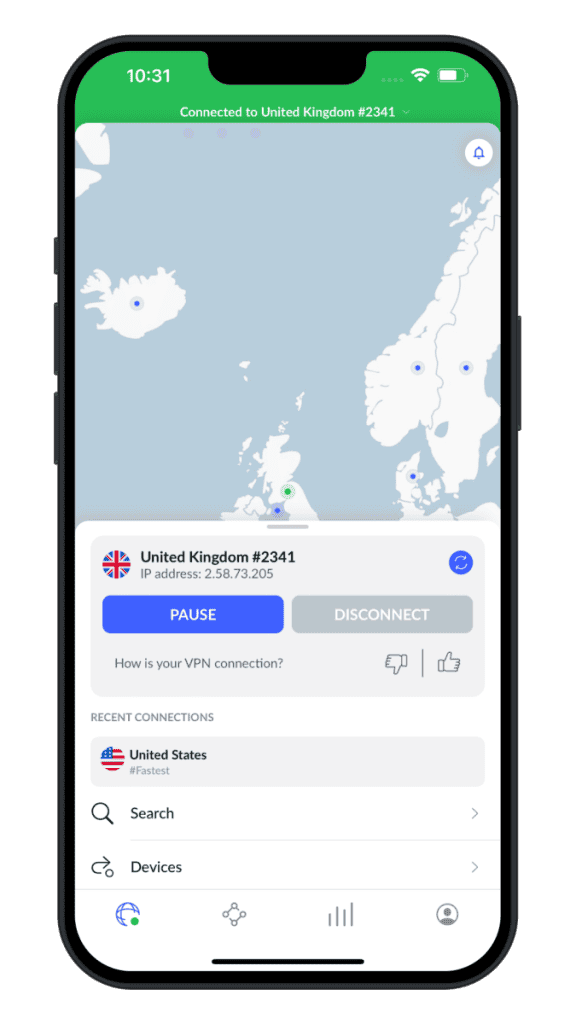
One aspect I appreciate most about NordVPN is how simple it is to use. Oh, how much I love the Quick Connect button. However, I can also choose a server by location easily through their user-friendly app. That’s huge when you’re juggling travel plans and don’t want to deal with complicated setups.
If you want simplicity alongside power, NordVPN is a great choice for your next trip.
8. Global Server Network for Local-Like Speeds
NordVPN boasts thousands of servers in over 165 countries, which means you can usually find one near you no matter where you travel. This broad coverage improves speed and reduces lag, which I’ve noticed especially when I’m far from home.
A VPN that only has a handful of servers can slow you down, but NordVPN’s network keeps things feeling local, even when you’re continents away.
9. 24/7 Customer Support When You Need It Most
When you’re traveling, problems never happen at convenient times. Different time zones, late-night connections, or sudden issues with hotel Wi-Fi can leave you stuck when you least expect it. One thing I genuinely appreciate about NordVPN is their 24/7 customer support, which is always available no matter where in the world you are.
I’ve personally tried and found their live chat support fast, knowledgeable, and easy to reach. Knowing that help is available at any hour adds an extra layer of confidence, especially when you rely on a VPN for work, security, or staying connected.
If you want a VPN that doesn’t leave you on your own when something goes wrong, NordVPN’s always-on support is a big reason to choose it.
Ready to travel safer and without restrictions?
NordVPN combines strong security, fast speeds, and global server access, exactly what travelers need in 2026. Whether you’re on hotel Wi-Fi or accessing content abroad, it’s built to keep you protected.
Bonus: Can I use a VPN to find cheaper tickets?
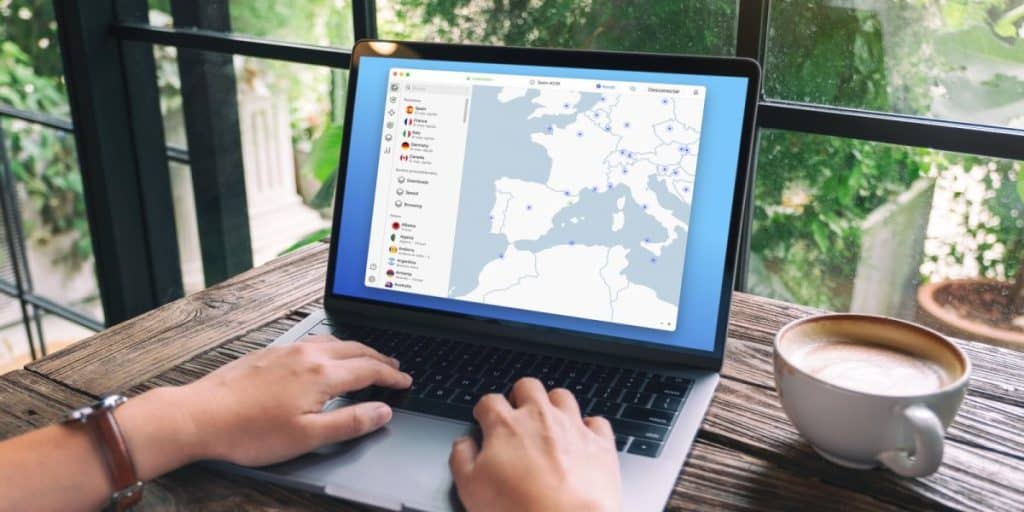
As a small gift, I’ll answer one of the most asked questions concerning travel and VPN. You won’t only use your VPN for traveling abroad.
Indeed, a VPN can sometimes help you find cheaper tickets, especially for flights, hotels, and car rentals. Many travel booking websites use dynamic pricing, which means prices can change based on your location, browsing history, or demand in your region. By using a VPN to change your virtual location, you may see different prices for the same ticket, giving you more options to compare and potentially save money.
A VPN also helps reduce price increases based on tracking. Travel sites often use cookies and IP addresses to monitor repeated searches, which can lead to higher prices over time. By connecting through a VPN and browsing in a private or incognito session, you can limit this tracking and avoid artificial price hikes while searching for the best deals.
While using a VPN doesn’t guarantee cheaper tickets every time, it gives you more control and flexibility when booking travel. Trying different server locations can reveal pricing differences that wouldn’t otherwise be visible. For travelers who already use a VPN for security, this becomes a useful bonus that can certainly help your travel budget.
Is NordVPN Worth It?
If you travel often or rely on public Wi-Fi, NordVPN is absolutely worth it.
This is one of the most common questions travelers ask, and honestly, it’s a fair one. You’re not just paying for a basic VPN connection, but for strong security, fast speeds, global server access, and features designed specifically for real-world travel situations. From protecting your data on hotel Wi-Fi to accessing blocked content abroad, NordVPN consistently delivers where cheaper or free alternatives fall short.
When you consider the potential risks of unsecured connections, data theft, or restricted access to essential services, NordVPN becomes less of an expense and more of a smart investment in your digital safety and convenience.
Can I Use a VPN for Streaming Services Like Netflix or Hulu?
Yes, and this is one of the biggest perks of using a VPN while traveling.
Streaming services such as Netflix, Hulu, Disney+, and Amazon Prime Video offer different content libraries depending on your location. When you travel abroad, you might suddenly lose access to shows or movies you normally watch at home.
With NordVPN, you can connect to a server in your home country and continue watching your usual content as if you never left. Thanks to features like SmartPlay and optimized streaming servers, NordVPN makes streaming smooth, reliable, and frustration-free, even from hotels or shared networks abroad.
Do I Need a VPN at Home?
A VPN isn’t only useful while traveling, it can be just as valuable at home.
Even on your home internet connection, your online activity can be tracked by internet service providers, advertisers, and websites. Using a VPN at home helps encrypt your traffic, hide your IP address, and give you more control over your online privacy.
If you work remotely, shop online frequently, or simply want to reduce tracking and surveillance, using a VPN at home adds an extra layer of security and peace of mind.
Are Paid VPNs Better Than Free Ones?
In almost all cases, yes, paid VPNs are far better than free VPNs.
Free VPNs often come with major drawbacks, such as slow speeds, limited data, fewer server locations, and weak security. Some free services even log user data or sell it to third parties, which defeats the whole purpose of using a VPN in the first place.
Paid VPNs like NordVPN invest heavily in infrastructure, security audits, fast servers, and customer support. You get reliable performance, strong encryption, and advanced features like malware protection and obfuscated servers, things free VPNs simply can’t offer.
Is Using a VPN Legal While Traveling?
In most countries, using a VPN is completely legal.
Many people, including businesses and remote workers, use VPNs daily for security and privacy. However, some countries restrict or regulate VPN usage. That doesn’t necessarily mean VPNs are illegal, but certain services may be blocked or limited.
NordVPN’s obfuscated servers are particularly useful in these regions, as they help you maintain access while keeping your connection discreet. As always, it’s a good idea to check local regulations before traveling.
Will a VPN Slow Down My Internet Connection?
Any VPN can slightly reduce speed due to encryption, but with a high-quality provider like NordVPN, the difference is usually minimal, and often unnoticeable.
Thanks to the NordLynx protocol and a massive global server network, NordVPN consistently delivers fast, stable connections. In many cases, it can even improve performance by avoiding throttling from internet providers.
Can I Use One VPN Account on Multiple Devices?
Yes, and this is especially useful for travelers.
NordVPN allows you to connect up to 10 devices simultaneously with one subscription. That means your phone, laptop, tablet, and even other family members’ devices can all stay protected at the same time, whether you’re on the road or at home.
Is a VPN Necessary If I Only Use My Mobile Data?
While mobile data is generally safer than public Wi-Fi, it’s not completely risk-free.
Your mobile provider can still track your activity, and data interception is still possible in certain situations. Using a VPN on mobile data adds another layer of privacy and security, especially when traveling internationally or connecting to unfamiliar networks.
Final Tip Before You Travel:
If you’re packing your bags, don’t forget to protect your digital life too. A reliable VPN can save you from security risks, blocked content, and unnecessary stress abroad.
I personally trust NordVPN when I travel, and once you use it, you’ll understand why.
Final Thoughts
ravel should be about exploring new places, not worrying about who might be watching your online activity or whether your personal data is at risk. A good VPN removes those concerns by giving you a secure, private, and unrestricted internet connection wherever you go.
For me, NordVPN has proven to be that dependable travel companion. It’s fast, easy to use, and built with the kind of security and reliability travelers actually need. If you’re planning your next trip and want peace of mind online, I genuinely recommend giving NordVPN a try.
It’s one of those tools you don’t realize how valuable it is until you travel without it – and once you use it, you won’t want to go without it again.