
Hydra Island: What to do (and what NOT)
Located in the crystal clear waters of the Saronic Gulf in Greece, Hydra island offers an escape from the hustle and bustle of Athens that some could consider as a journey back in time. But what is it that makes it the ideal place to experience the island life of Greece?
In this Guide, you’ll find everything you need to know about what to do, and what not to do when visiting the famous Hydra island in Greece.
Just so you know: Some links on this page are affiliate links, which means I might earn a small commission if you book or buy through them, at no extra cost to you. Thank you for your support!
A Little Bit Of History
Hydra’s history is shaped by its lack of natural resources and its strategic position in the Saronic Gulf. The island was sparsely populated and was known as Hydrea, a name linked to the Greek word for water, referring to the island’s wells. For long periods, Hydra was used mainly as a refuge from pirate raids rather than a major settlement, with small communities living by fishing and limited trade.
Hydra rose to real prominence in the 18th century, when many Albanian-speaking Arvanites families settled there and developed a powerful merchant fleet. By the late 1700s, Hydra had become one of the leading maritime centers of the Ottoman Greek world.
Its ships traded widely throughout the Mediterranean, and the island accumulated great wealth, which funded schools, churches, and the famous stone mansions overlooking the harbor. This maritime strength later made Hydra a vital naval power during the Greek War of Independence (1821), when it provided ships, money, and leaders such as Andreas Miaoulis.
In the 19th century, Hydra declined economically as steam-powered ships replaced sailing vessels and new trade routes bypassed the island. Many Hydriots emigrated or shifted to other professions. In the 20th century, Hydra transformed into a cultural and artistic center, attracting major figures such as Leonard Cohen and a community of international artists.
Today, Hydra is protected as a traditional settlement, with strict building regulations and a ban on most motor vehicles, preserving its historic character and linking modern life closely to its past.
Getting To Hydra Island
The timetables for ferries and hydrofoils to Hydra Island vary depending on the season and the specific departure port. Here are some general guidelines to consider:
Ferry: Ferries operate daily from Piraeus, the main port of Athens, to Hydra Island. During the high season (typically from April to October), there are multiple daily departures, starting in the early morning and continuing throughout the day. The journey duration is around 1.5 to 2 hours.
You can book your tickets through ferryhopper, one of the best websites for booking ferry tickets in Greece.
You can compare prices from all the available carriers and book your tickets from their app without any extra cost.
It’s important to note that ferry schedules can be subject to change due to weather conditions, demand, and other factors. Therefore, I would recommend you check the timetables in advance by visiting the official websites of the ferry companies or contacting their customer service
Is Hydra safe to Visit?
Hydra is generally extremely safe to visit, as the island has a strong community feel. Because there are no cars, the risks associated with traffic accidents are also much lower than in most destinations. You can comfortably walk around the harbor, back streets, and coastal paths during the day and at night.
The most common issues are minor ones: occasional petty theft in crowded areas, heat exhaustion in summer, and the risk of slips or falls on Hydra’s steep, stone-paved paths. If you’re hiking to beaches or monasteries, it’s best to wear sturdy shoes and carry water because of the strong sun and uneven terrain.
When is the Best time to Visit Hydra?
I believe that for most travelers the ideal months are May-June and September-October.
In late spring (May-June), the weather is warm and sunny without the extreme heat of summer. The sea is swimmable, wildflowers are still in bloom, and the island is lively but not yet crowded. It’s a great time for walking, swimming, and enjoying the harbor without peak-season pressure or heat.
In summer (July-August), Hydra is at its busiest. The weather is hot and dry, perfect for beach days and swimming, but accommodation prices are higher and the island can feel crowded, especially on weekends when Athenians visit. This period is best if you enjoy the atmosphere and don’t mind the crowds.
In early autumn (September-October), the sea remains warm from the summer sun, while temperatures become more comfortable for exploring. The crowds thin out, and the pace feels relaxed again. This is often considered the most balanced time to visit Hydra, combining good swimming with pleasant sightseeing conditions.
Winter and early spring are much quieter. From November to March, many hotels and restaurants close. It is also not ideal for swimming or nightlife.
Is Hydra Expensive?
I do not know the exact reason, however Hydra is generally very expensive compared to many other Greek islands.
Accommodation is the biggest cost. Even simple boutique hotels and guesthouses tend to be pricey, especially in June–September, while luxury harbor-view rooms can be very expensive. Budget options exist, but they’re limited.
Food and drinks are also on the higher side. Waterfront tavernas, cafés, and cocktail bars charge high prices, possibly due to the island’s popularity and the cost of importing goods (since there are no cars or large supply trucks). Expect to pay more for seafood and cocktails than you would on less touristy islands or in mainland Greece.
Ferry tickets add another expense, particularly the high-speed ferries from Piraeus, which are much more expensive than slow ferries. That said, you can keep costs down by traveling in the shoulder seasons (May or October), staying slightly inland from the harbor, and eating at simpler family-run tavernas.
Where To Stay In Hydra
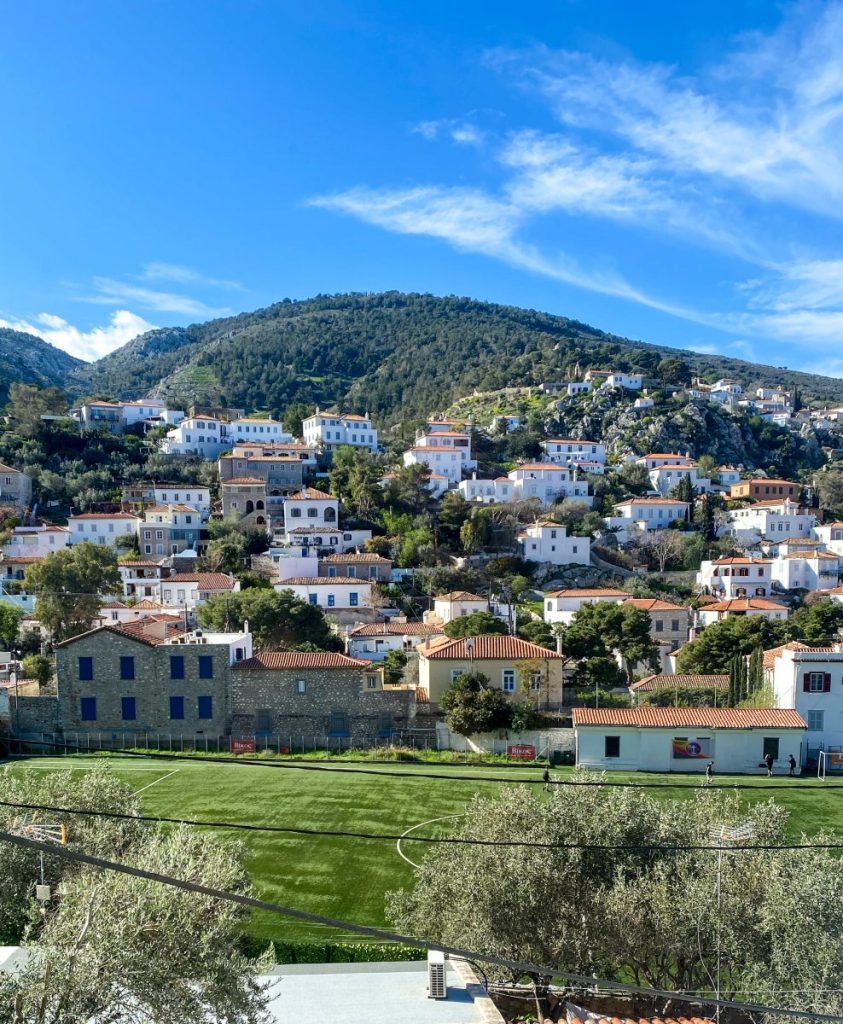
Hydra’s accommodation options mainly consist of boutique hotels, family-run guesthouses, and private apartments or villas. There are plenty of accommodation options available in Booking.com.
Boutique hotels often occupy restored mansions and provide elegant décor, sea views, and comfort with historic charm. Guesthouses and pensions are simpler and more budget-conscious, offering basic amenities for travelers who prioritize affordability. Private apartments or holiday homes are ideal for those who prefer independence, privacy, or longer stays, with the added benefit of a kitchen for self-catering (if you think the cost of eating-out is very high).
While in Hydra, we stayed in Athina Guesthouse. The rooms were excellent, the views amazing, and the hosts were kind, warm, and a perfect example of greek Hospitality. I would definitely recommend them! Amaryllis hotel would be another good, budget friendly option.
If you, on the other hand, crave for a more comfortable and luxurious stay, NESEA Boutique Apartments offers a unique stay within a renovated, historic building. The property features tiled floors and a terrace, providing a charming atmosphere. The best part? It is located both near the town and the beach!
How long should I stay in Hydra island?
If time or budget are not in your favour, but you still want to have an authentic greek island experience, GetYourGuide offers this day trip from Athens, where you’ll get the chance to discover the islands of Hydra, Poros, and Aegina on a full-day cruise from Athens. You will be able to enjoy views of the Greek coast from the open deck of a cruise ship and savor a buffet lunch on board.
I would generally say that 2 to 4 days on Hydra is ideal to fully experience the island without feeling rushed. A 2-day stay is sufficient for a short visit, allowing you to explore Hydra Town, walk along the harbor, visit a few museums or historical sites, and perhaps hike to a nearby monastery or beach. This is perfect if Hydra is just one stop on a multi-island trip.
A 3-day stay offers a more comfortable pace, giving you time to explore the town, visit quieter villages like Kamini or Vlychos, swim at beaches such as Vlychos or Agios Nikolaos, and enjoy a sunset dinner at the harbor. You’ll have enough time to walk through the cobblestone streets and soak in the island’s relaxed atmosphere.
Generally, anything beyond 4–5 days is only necessary if you plan to fully relax, work remotely, or explore every corner of the island at a leisurely pace.
Getting Around
Getting around in Hydra is really easy. The island is small, and no cars are allowed on it. That is one of the island’s best and most interesting facts about it. That’s why your feet will be your best friends! Also, you can also take ferries from the harbor to take you to the island’s best beaches!
What To Do On Hydra Island
1. Explore The old Town
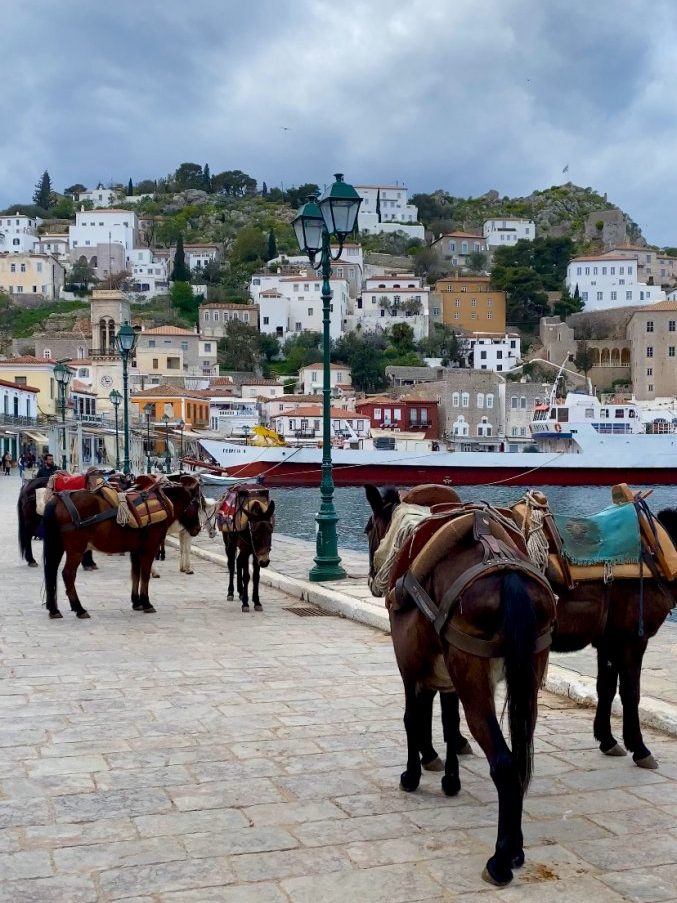
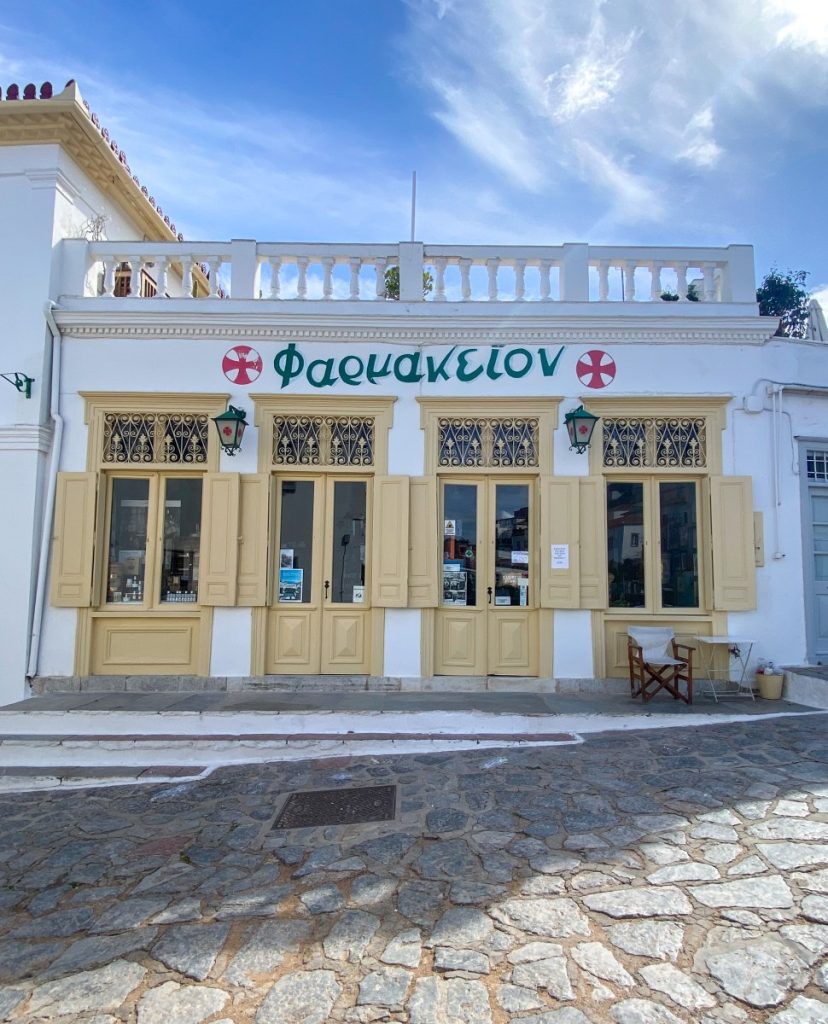
Hydra has a small, but rather charming old town. Lined with shops, tavernas, and art galleries, it offers a delightful blend of culture, craftsmanship, and local flavors. The absence of cars and motorcycles adds to the town’s unique and peaceful atmosphere.
Take your time to walk through the charming streets of Hydra Town, with its traditional stone houses, colorful doors, and quaint shops. Admire the neoclassical architecture and soak in the laid-back ambiance.
Search for the famous Clock tower in the port, the Koundouriotis’ Mansion (a major actor in the Greek War of Independence), and the defensive bastions and cannons scattered throughout Hydra Town. The Rafailias pharmacy, one of the oldest-still operating-pharmacies in Greece, is another famous landmark.
Hydra has also a small but culturally rich museum scene. The most important institution is the Hydra Historical Archives Museum, housed in a neoclassical building overlooking the harbor. Its collections include ship logs, navigation instruments, weapons, maps, and personal belongings of key figures from the Greek War of Independence.
2. Hike In One of the Hydra Trails
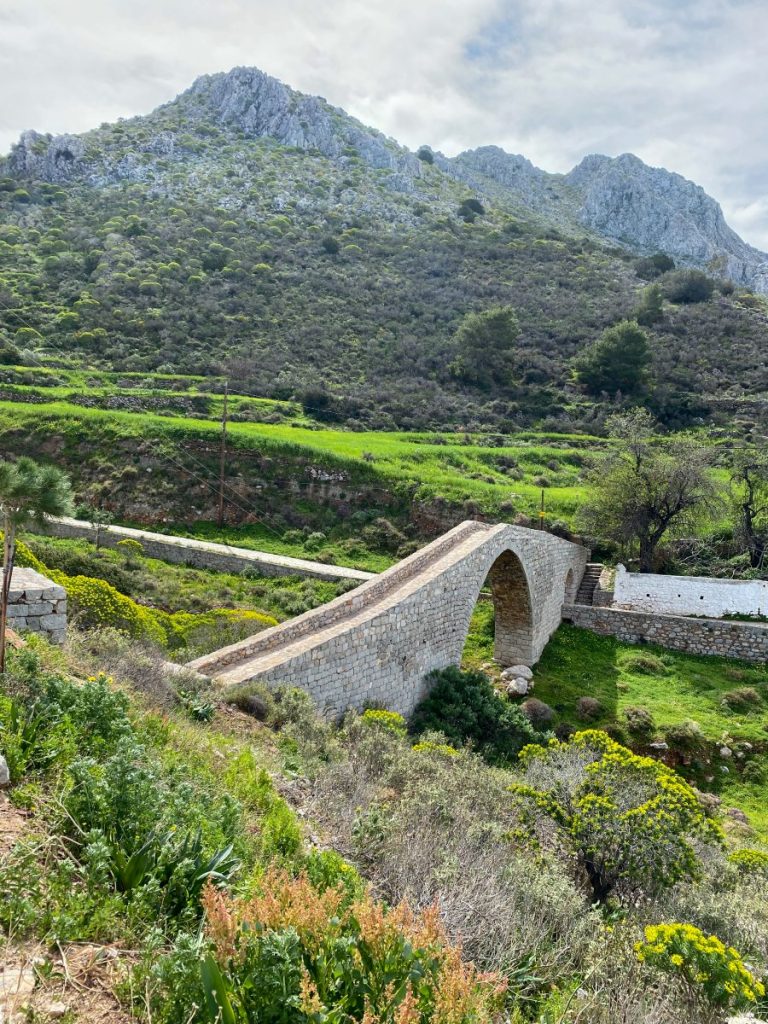
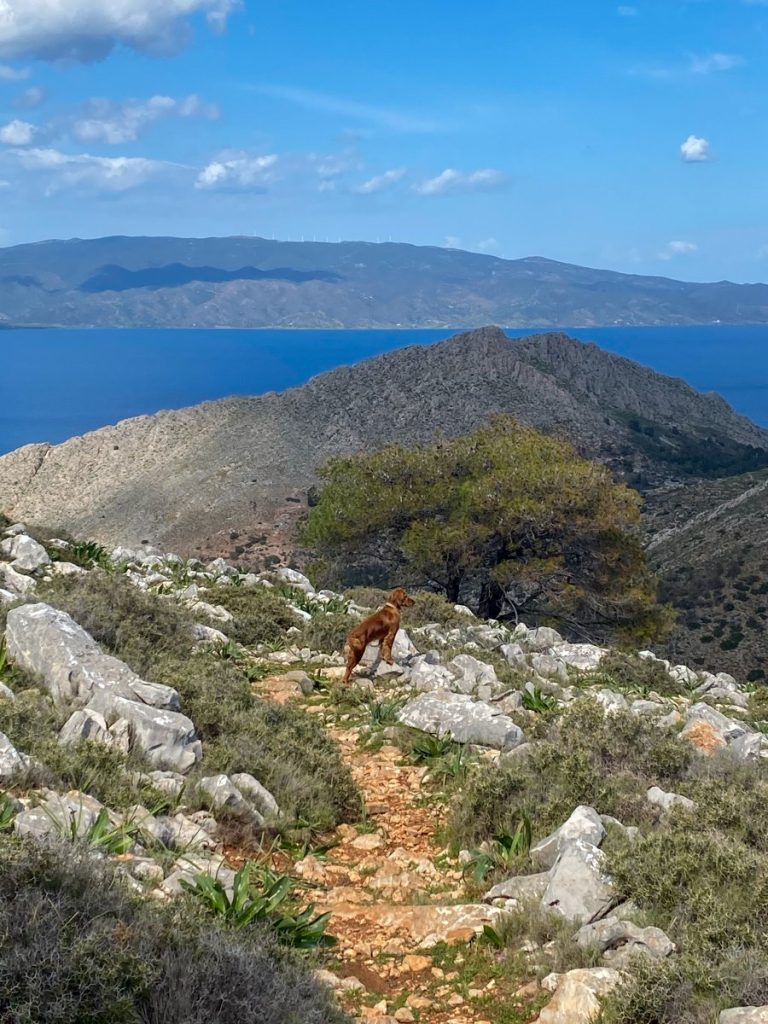
Hydra Island offers a captivating hiking experience that combines natural beauty, scenic trails, and a sense of exploration. That’s why it can be a hiker’s paradise! There are so many routes that it will need many days to cover them all.
Beaches, palm forests, and Monasteries are just a few places the hiking routes will take you to. Hydra Trails is a helpful website covering the most famous hiking routes.
We took the Western trail, and the views were just astonishing. We started our hike in the Clock tower, which took around 4 hours to complete. We passed through forests, climbed Mt. Eros, and ended the hike at Prophet Elias church.
3. Swim, relax, and enjoy the sun in Hydra’s Beaches
It couldn’t be a Greek island without pristine beaches. Indulge in some sun and sand on Hydra’s beautiful beaches. Head to Vlychos Beach, Mandraki Beach, or Bisti Beach, where you can unwind, swim, and soak up the Mediterranean sun. The beaches are also approachable with ferries that can be directly taken from the island’s harbor.
4. Visit The Old Slaughterhouse
The building, which has been recently restored and renovated, maintains its historical characteristics and qualities, preserving the original elements that define its former identity. While now operating as the DESTE Project Space Slaughterhouse since 2009, it also serves as an exceptional exhibition venue.
Each summer, the Foundation organizes a series of contemporary art exhibitions on the island, showcasing the work of individual artists or teams who are invited to create distinctive, site-specific displays within the space.
5. Enjoy Delicious Food At Local Tavernas And Restaurants.
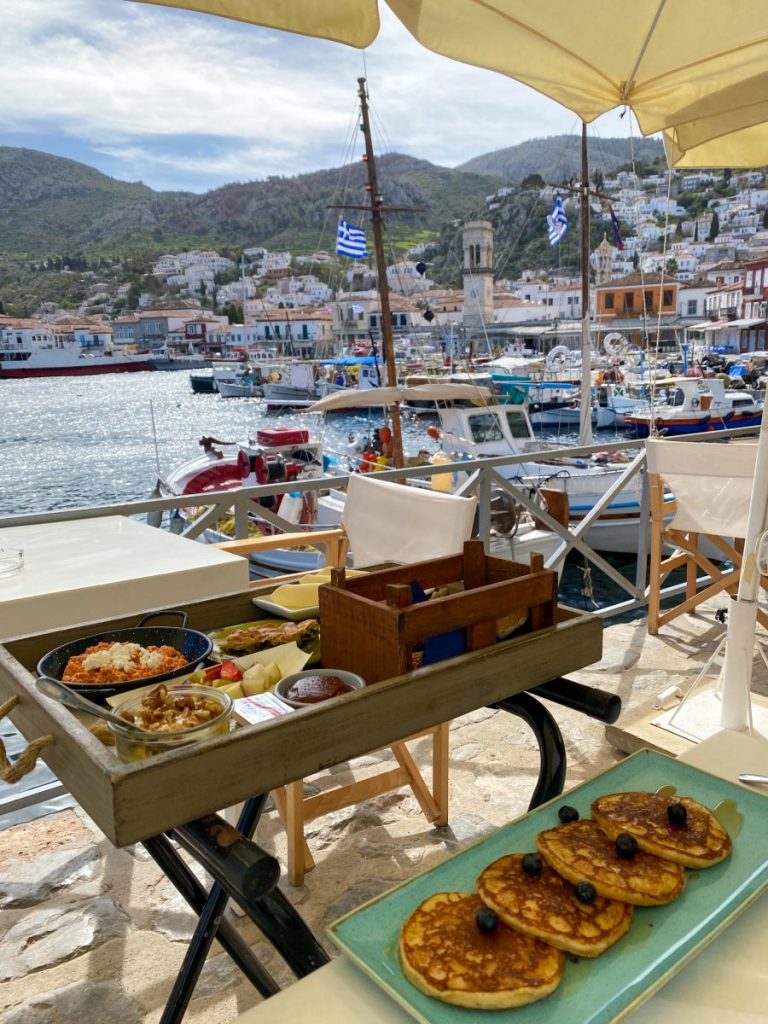
Whether you’re seeking a romantic dinner with a view, a quick and satisfying street food experience, or a relaxing spot to enjoy a leisurely meal, Hydra Island is a food-lovers paradise. There are so many amazing options, all offering freshly cooked, traditional, or international meals. Lucky for you, I have compiled this guide with some of the best places to eat in Hydra.
What NOT to do in Hydra island
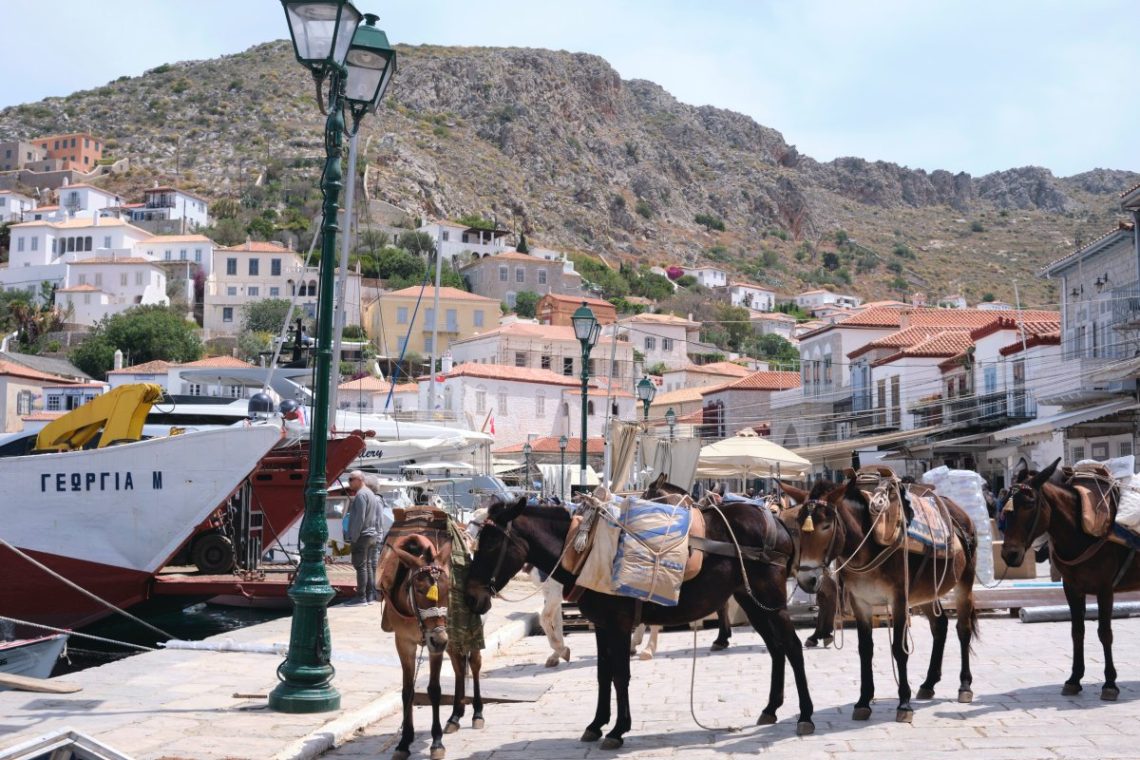
Well, there is only one thing I would not recommend doing when visiting Hydra island. When visiting the port, you will find countless vendors offering a tour with donkeys or horses. As a greek local, I would urge you NOT to get one of those tours.
There have been countless reports of abuse, since animals often have to carry extreme weights, often in the scorching Summer heat. Therefore, it would be a good idea not to support this kind of brutal industry that puts profits over the health of the animals.
Final Thoughts
Is Hydra Island worth a visit? Hydra is a beautiful destination with an elegant, yet traditional aura. Its iconic harbor, cobblestone streets, and small streets create a nostalgic atmosphere. I would consider it as one of my favorite greek islands and I would strongly recommend you give it a chance.