Athens Dark Tourism: 7 Places you didn’t Know Existed
I first came across the term dark tourism in 2023, when my partner suggested we watch David Farrier’s Netflix documentary, which I ended up loving.
A few months later I visited a former Nazi torture site in the middle of Athens, and the curiosity only grew from there. I started wondering what else in the city might fall under that label, and it turns out the answer is quite a lot.
Athens has sites tied to the Nazi occupation, the violence of the military junta, cemeteries, battlefields, abandoned hospitals, and places wrapped in grief, silence, and urban legend.
Together they show a side of the city that even people who grew up here rarely see. I certainly hadn’t, and I’ve lived here my whole life.
Just so you know: Some links on this page are affiliate links, which means I might earn a small commission if you book or buy through them, at no extra cost to you. Thank you for your support!
Before Setting Out
Many of these are memorials to people who were executed, tortured, or imprisoned, and some of them still receive family members and survivors. Worth keeping in mind with photography, and with volume.
Furthermore, the Parnitha Sanatorium and the Penteli cave are abandoned or semi-abandoned and they come with real physical risk. I’ve flagged what that means in each section.
Athens Dark Tourism Map
Researching this guide, I found that a lot of these places don’t come up properly in Google Maps, so I built a map to make planning easier.
1. The Kaisariani Rifle Range
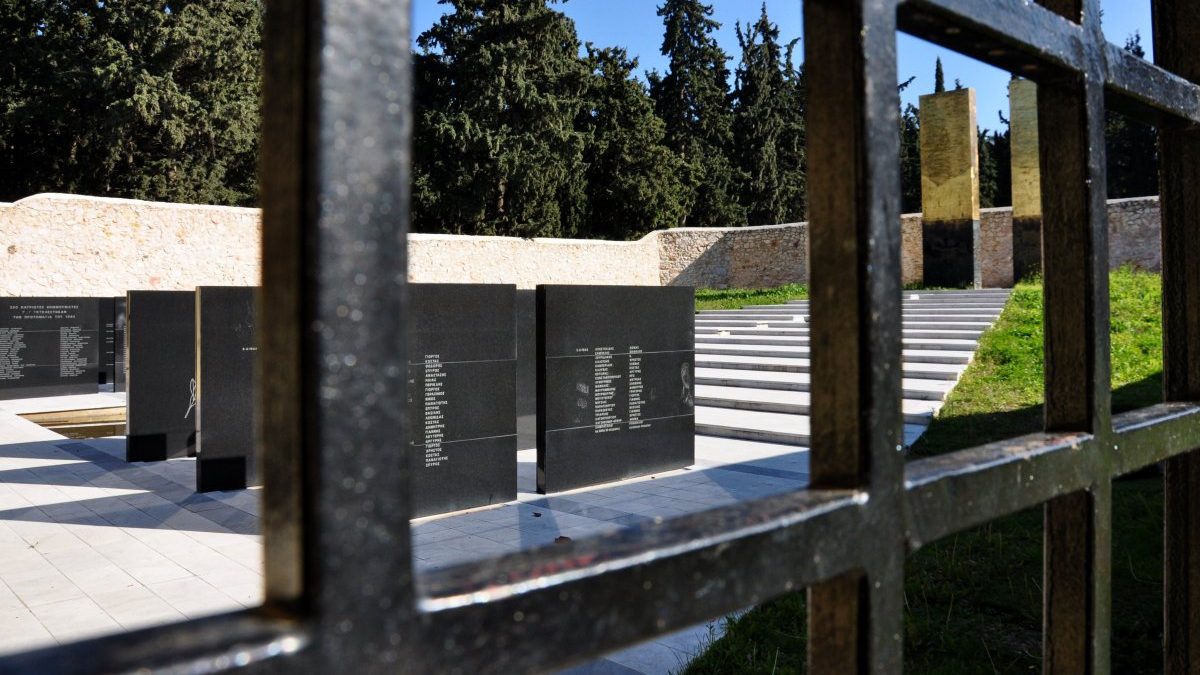
The story of the Kaisariani rifle range, where 200 Greek partisans were executed by the Nazis on May 1, 1944, resurfaced very recently when the first-ever photographic proof of the event were suddenly found in an auction on eBay.
This became a huge story here in Greece, leading to the greek ministry of culture meeting the collector, buying the entire collection, and designating it as a monument.
The rifle range itself has been turned into a memorial site with black plaques with the names of the people executed on that day. There is also a small museum dedicated to EAM, the biggest resistance force in Greece during WWII with original wartime artefacts, documents, and photographs.
The wider area is part of a public park, which was one of my favourite places to go when the quarantine hit. It’s very popular among university students who go there for picnics on sunny days.
2. The Athens Technical University
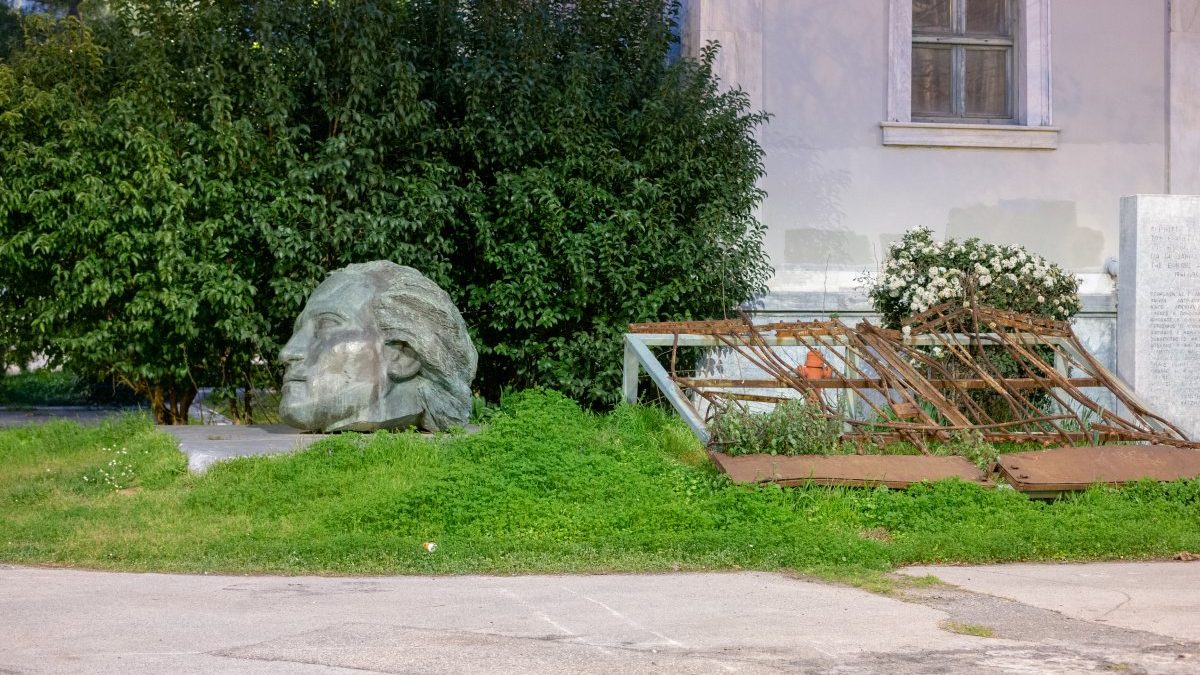
In 1973, students occupied the National Technical University of Athens in protest against the military dictatorship that had seized power in 1967.
What began as a peaceful student uprising was met with brutal force by the regime, culminating in a tank crashing through the university gates.
That short-lived act of resistance became known as the Athens Polytechnic Uprising, and it is commemorated every year on 17 November. On that day, students and locals gather at the site to leave flowers, play music, and pay their respects. A march through Athens then follows, which usually ends with clashes with the police.
The original gate, the one destroyed by the tank, is still there to see.
I would recommend stopping by to leave a flower. It is a small gesture, but a meaningful one, in memory of the students who risked their own lives standing up to the dictatorship.
3. The EAT-ESA Museum
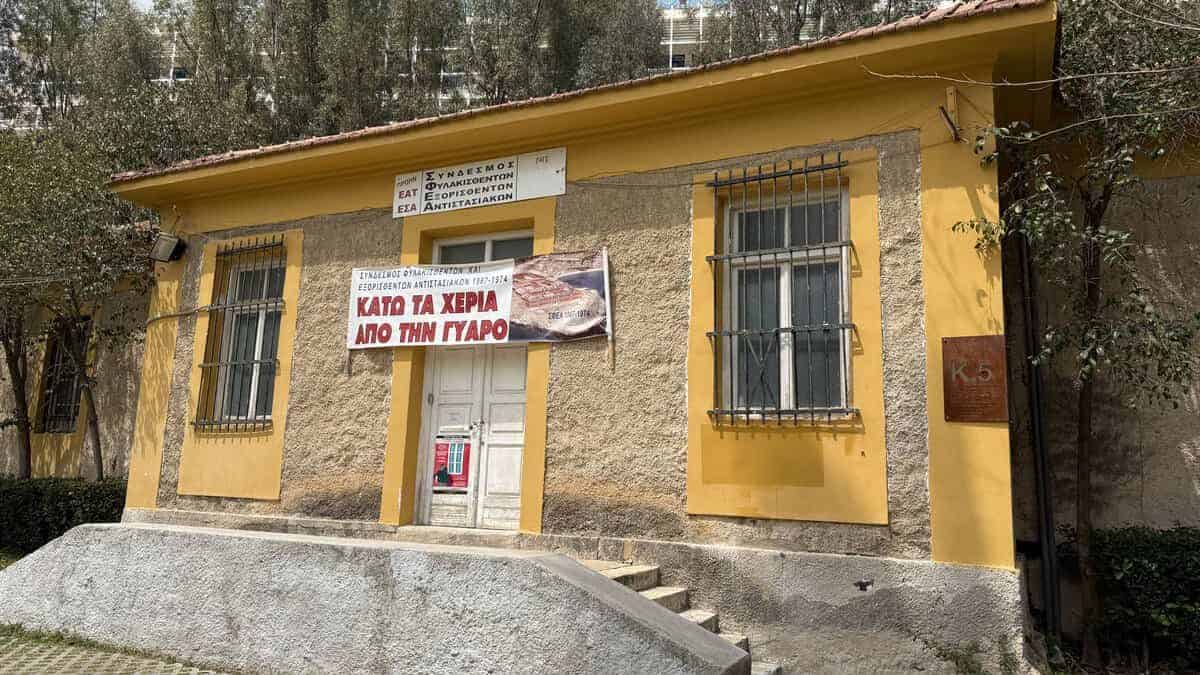
EAT-ESA was the Special Interrogation Section of the Greek Military Police, and one of the most feared instruments of repression during the junta. Arrests, interrogations, torture, and the intimidation of anyone seen as an opponent of the regime all ran through it.
The museum now sits in the offices of the Association of Imprisoned and Exiled Members of the Resistance, right next to the original building in eleftherias park where all that happened. Inside are the former torture chambers and the stories of those held there.
The tours are led by members of the resistance movement themselves, telling these stories firsthand.
It’s hard not to feel let down that the original space in Parko Eleftherias has been allowed to fall into such disrepair. For a site of this significance, it deserves considerably better.
4. The Parnitha Sanatorium and the Park of Souls
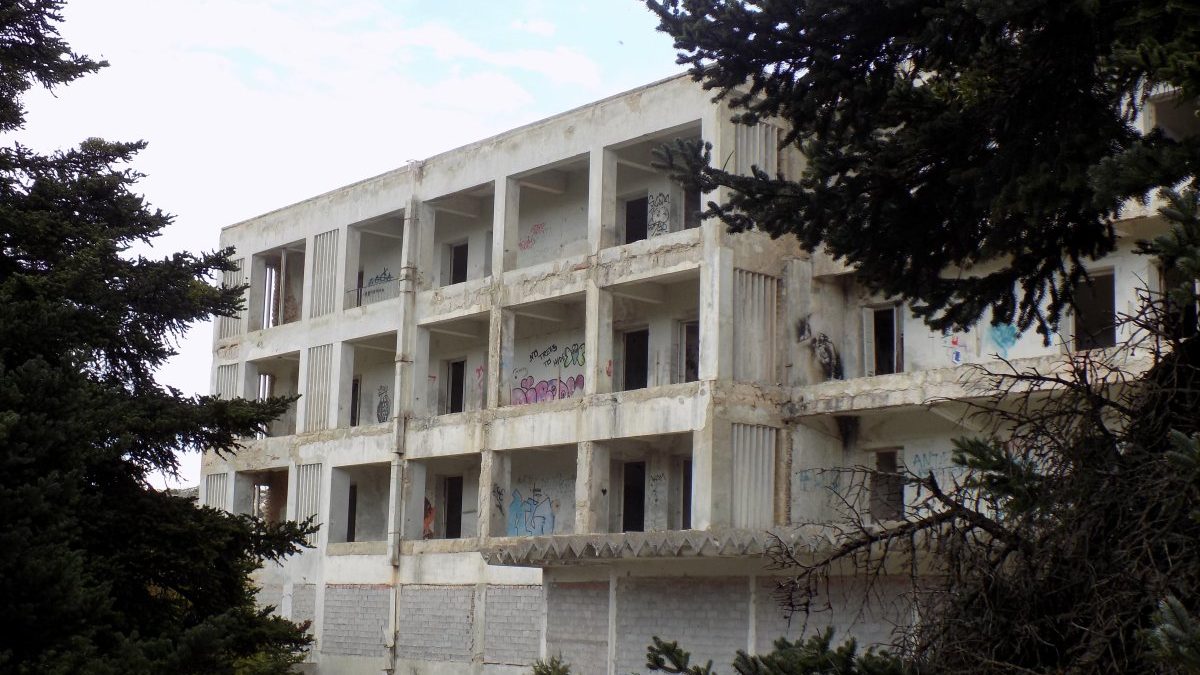
From a historical point of view, this is the place in Athens most associated with dark tourism, even though the building has long been unsafe to enter after the 1999 earthquake. Plenty of people still go inside for the atmosphere and the thrill of it, but I’d not encourage that.
The Parnitha Sanatorium began as a tuberculosis facility on Mount Parnitha. But as tuberculosis treatment changed with the spread of antibiotics, the building lost its original purpose. In 1965 it passed to the Greek National Tourism Organisation, was turned into a hotel, and later housed tourism education facilities before being abandoned in the mid-1980s.
Over the years, the complex has gathered countless urban legends about ghosts, strange noises, and unexplained sightings.
From a practical point of view, this is not the easiest stop to reach, and I don’t think there are many ways to head up there other than by car. That said, this video by “metaphysical phenomena“ on youtube gives a good glimpse into the site.
I should also mention the park of souls.
It was created in 2012 by sculptor Spyros Dasiotis, who used burned tree trunks from the surrounding area to make human figures inspired by the memories, pain, and isolation associated with the sanatorium.
While it is not dark tourism in the strict sense, it is very much part of the atmosphere of the place. The sculptures are exposed to the mountain landscape, which gives the whole place an eerie weight.
5. The Marathon Burial Mound
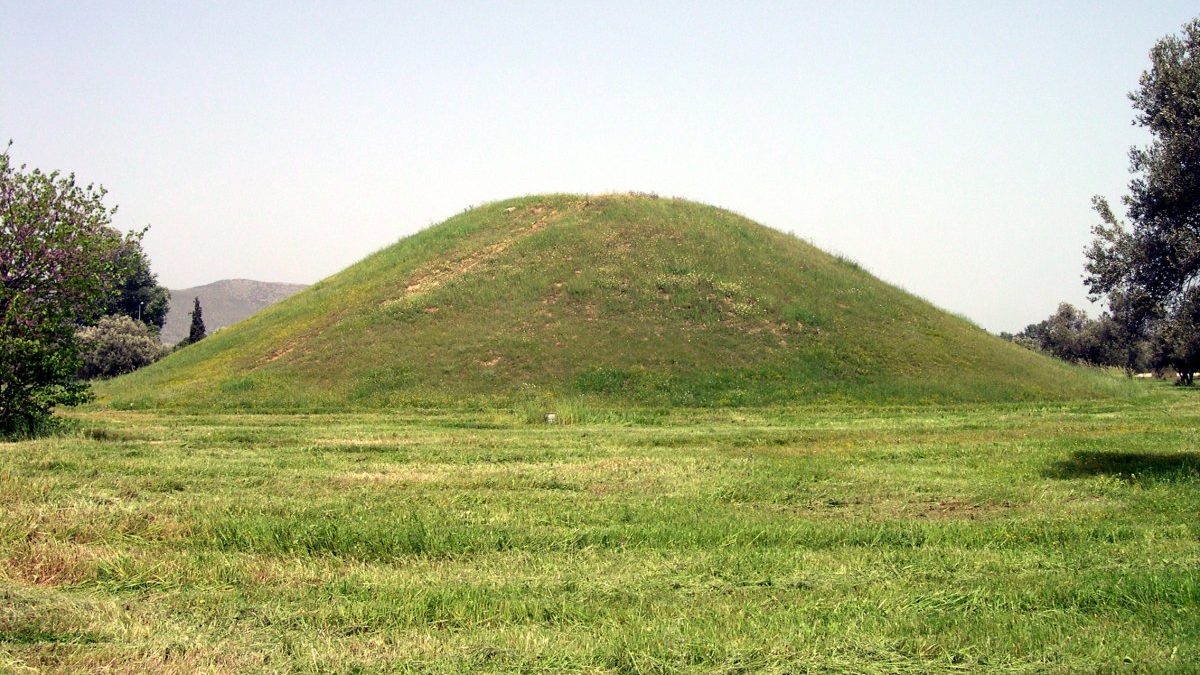
The Battle of Marathon changed the course of Greek history. In 490 BC, the Athenians met the Persian army on the plain north of the city and pushed them back against all odds. An artificial mound, the Tumulus of Marathon, was raised afterward over the cremated remains of the Athenian dead, and it’s still standing on the same plain today.
The battle is also where the marathon race gets its name. According to the ancient account, a runner named Pheidippides covered the roughly 40 kilometres from Marathon to Athens to announce the Greek victory, delivered the news, and collapsed dead on the spot.
The story is likely more legend than fact (the historian Herodotus, writing closest to the event, actually records Pheidippides running to Sparta before the battle to ask for reinforcements, not from Marathon after it), but the myth stuck and shaped an entire modern sport. The Athens Classic Marathon still runs that same route today, finishing inside the Panathenaic Stadium.
I went there once on a school trip, and I remember our teacher stopping in front of it and saying, completely matter-of-fact, “See this hill? There are ancient soldiers buried inside it”. Standing on a patch of grass with a bus waiting nearby and knowing there were 2,500-year-old remains a few metres under my feet was a strange thing to process as a teenager.
A short drive from the mound, the Archaeological Museum of Marathon occupies a small building in the Vranas area, built in 1975 to house finds from the region’s excavations.
The permanent collection covers more than 4,000 artifacts spanning from prehistoric settlements to the Roman period, with many rooms dedicated specifically to finds from the battle itself and the tombs of the Athenians and Plataeans who fought there.
Getting there isn’t simple. Marathon sits about 40 kilometres from central Athens, and public transport options are limited and slow. I wouldn’t attempt the trip without a car.
6. The Penteli cave
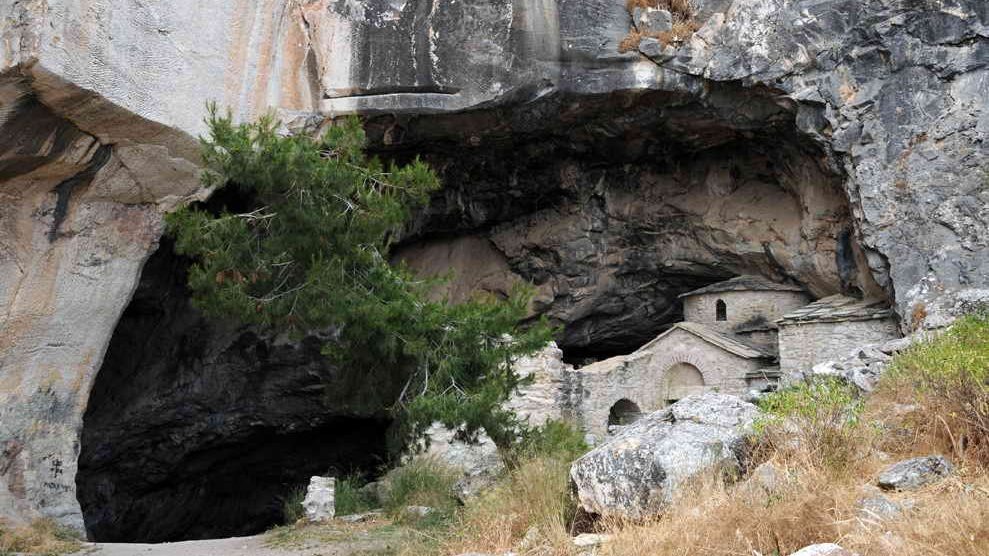
This cave was long believed to be the hideout of the 18th-century outlaw Davelis, and stories describe a network of tunnels running deep into the mountain. Before that, the site held an ancient Greek sanctuary to Pan, and later an Orthodox church. Some accounts claim certain monks spent their entire lives inside.
Over the years it’s collected a reputation for strange apparitions, cold spots, audio interference, and the general sense of being watched.
I’m not drawn to the supernatural myself, but I’ll admit the place has an atmosphere that’s hard to shake off, and the mix of Pan sanctuary, Byzantine church, and outlaw hideout in one location is strange enough without the ghost stories.
Practically speaking, this is a hike rather than a sightseeing stop. The ground is uneven, there’s no lighting, and going alone isn’t a great idea.
7. The First Cemetery of Athens
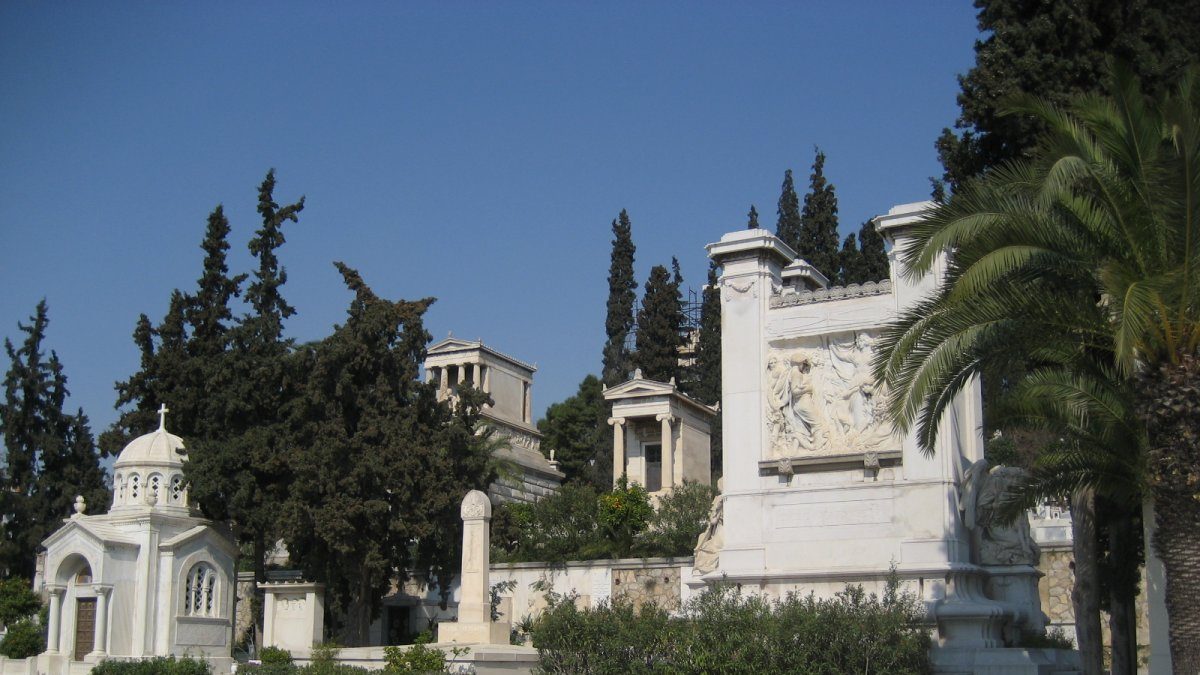
The First Cemetery isn’t disturbing the way a former prison or torture site is, but it’s still bound up with the city’s history.
It opened in 1837, a few years after Athens became the capital of the modern Greek state, making it the city’s oldest official cemetery. Politicians, artists, writers, and other public figures are buried there, and the grounds are full of elaborate tombs, family mausoleums, and funerary sculpture. The most famous piece is “The Sleeping Maiden” by Yannoulis Chalepas.
Walking through it is quiet, heavy, and strangely beautiful all at once. Not every dark tourism site needs to be grim, and some are simply good places to think. This is the one in Athens that fits that description best, and it’s the one I’d start with if the rest of the list feels like a lot.
Final Thoughts
Writing this reminded me again how impossible Athens is to squeeze into one category. It can be beautiful, chaotic, funny, exhausting, and heavy, sometimes within the same afternoon. Years can go by on the ancient sites, the cafés, and the islands while the places holding the city’s hardest stories sit unnoticed.
That’s part of what keeps it interesting to me. The more I dig, the further the city opens up past the obvious, and that’s the version of Athens I keep trying to write about here.
To keep going, I’ve written up the best things to do in Athens, the museums I’d prioritise, and, for the site that started all of this for me, the Nazi torture site on Korai Street.