Exploring a Nazi Torture Site in the Middle of Athens
I always thought I knew this city well. It’s the only place I’ve ever lived. Then a friend told me over coffee that there was a former underground Nazi torture site on Korai Street, in the middle of the centre, open to the public and free to walk into.
I grabbed the same friend the next day and we went to the Memorial Site 1941-1944. I’ve been back several times since, and it still unsettles me.
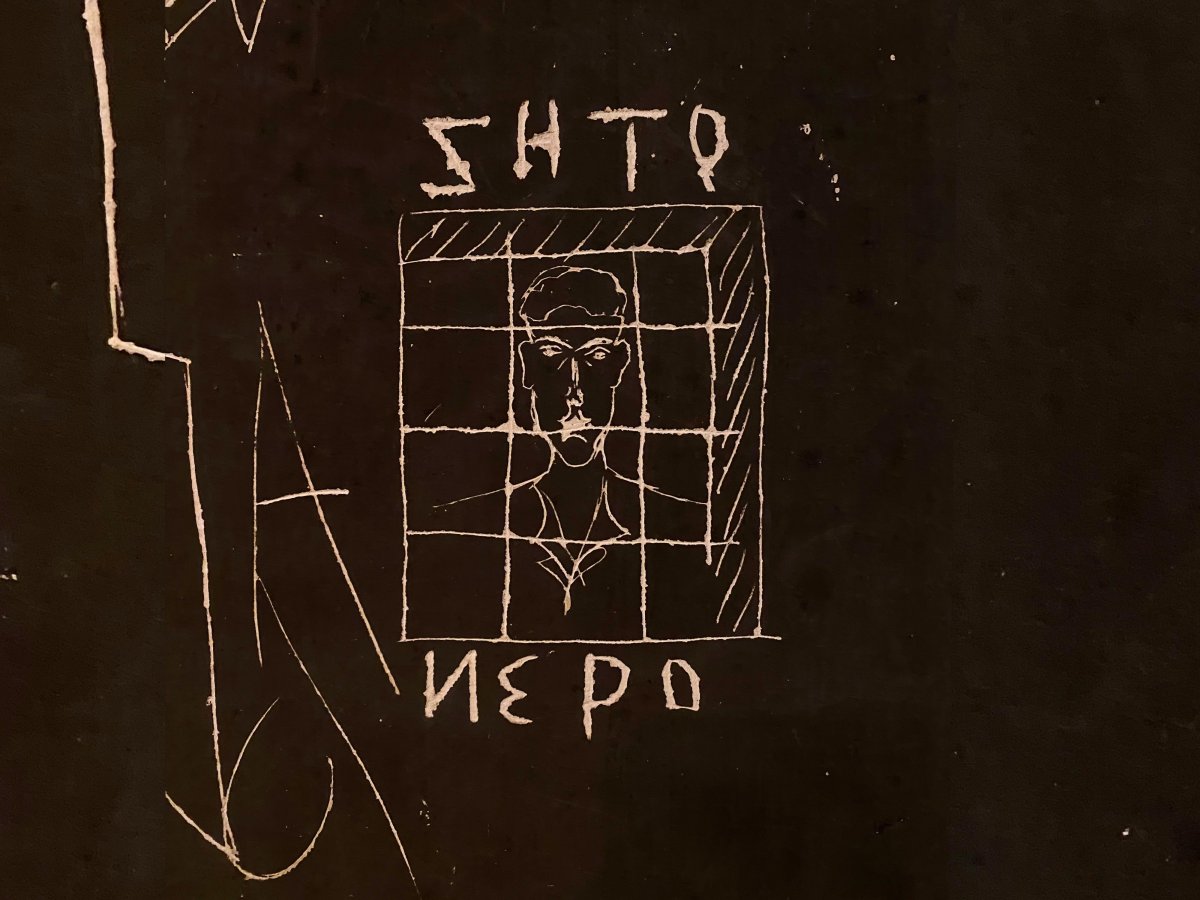
The first thing in view is a Nazi flag, the one that flew over the building during the occupation. Then, downstairs, the carvings prisoners left in the walls. Names. Dates. Requests for water. Accounts of how they were being treated, scratched into stone by people who assumed they would not survive to tell anyone.
The question I couldn’t shake on the way out was why I’d never heard of it.
Just so you know: Some links on this page are affiliate links, which means I might earn a small commission if you book or buy through them, at no extra cost to you. Thank you for your support!
Before Visiting
- Address: Korai 4, Klafthmonos Square
- Nearest metro: Panepistimio, almost at the door
- Hours: Tuesday to Saturday, 09:00 to 14:00, plus 28 October
- Entry: Free
- Time needed: 30 minutes to an hour
- Language: Greek only, no English translations
Two practical things before setting off.
The site is underground, reached by stairs, and it’s cold and humid down there even in summer. Worth factoring in if accessibility is an issue, and worth a layer for anyone who feels the cold.
The other is that this is a memorial, not an attraction. People died in these rooms, and the writing on the walls was left by them. It’s a quiet space and it’s worth treating it that way, particularly with photography.
The History of a Troubling Site
Before World war II
This place was never meant to become anything like what it became.
In August 1894, the newly founded I Ethniki General Insurance Company bought the mansion on Korai Street to house its offices. The building wasn’t in good condition, and forty years later the company announced plans to reconstruct it. That work happened in the shadow of the First World War and the growing fear of another, so part of the new design included an anti-aircraft shelter beneath the building.
That shelter is the reason the rest of this story is possible.
During the Occupation
After the fight against the Italians and the German invasion that followed, Greece fell under Axis occupation. The occupying forces set up Kommandanturen across the country, military administration headquarters, and in Athens the central Kommandantur was established at 4 Korai Street.
From there, the occupiers ran the city.
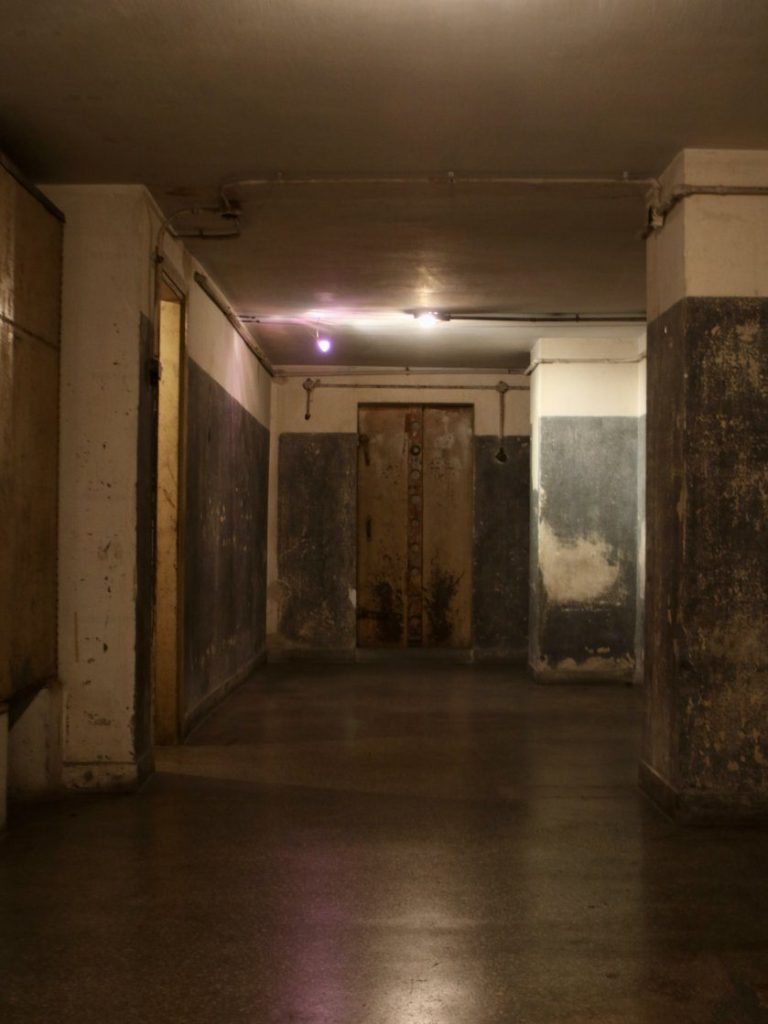
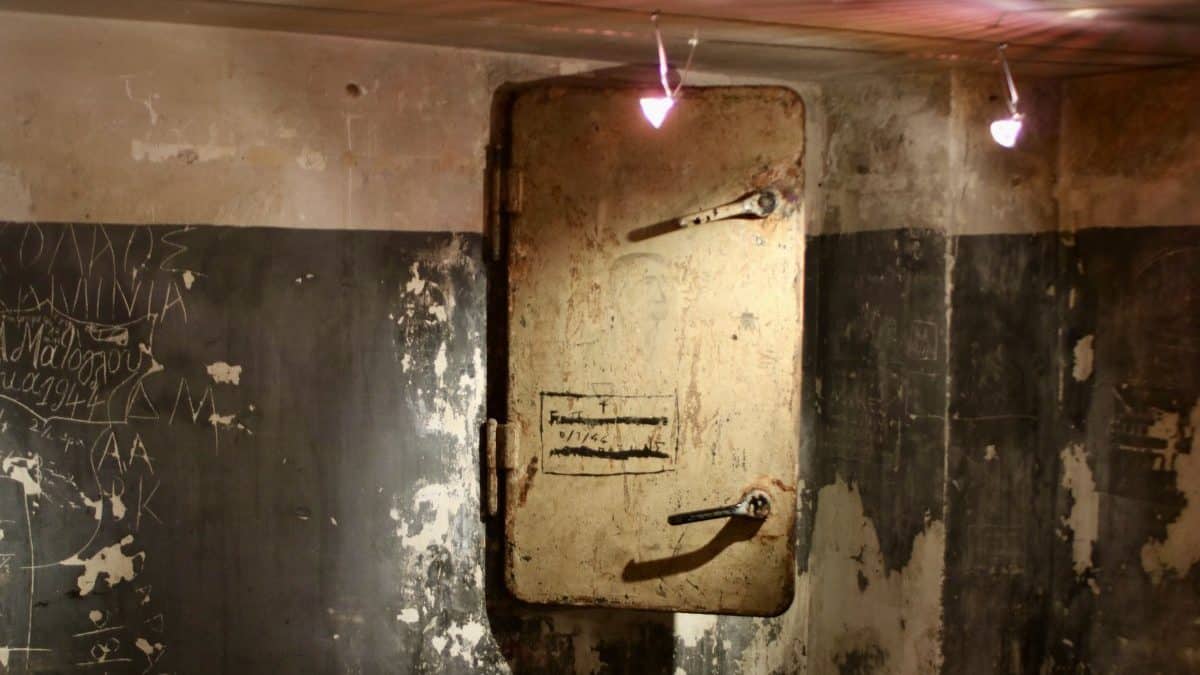
The underground spaces built as an air-raid shelter were converted into detention cells. Men and women were held there before being moved on to other prisons, often for days without food or water.
The thick walls and metal doors made the basements effectively soundproof. That’s the detail that stays with me. This building sits in the middle of the city centre, surrounded by streets full of people going about their day, and nothing that happened below could be heard from outside.
Prisoners carved into the walls. Their names, why they’d been arrested, what was being done to them. German soldiers painted over the carvings from time to time to erase them, and the prisoners simply started again, on the assumption that somebody would eventually read them.
After the War
The German troops left Athens on 12 October 1944. The insurance company was preparing to move back in by the end of that month, but the mansion was requisitioned first by EAM, the main resistance organisation, and later by the Greek government.
The company regained the building a few years afterwards and began restoration work, repairing the damage the successive requisitions had caused.
Crucially, the detention cells were restored and conserved. The graffiti on the doors, walls, and windows was deliberately preserved, and the two basement spaces were eventually opened to the public as a memorial.
What’s Down There
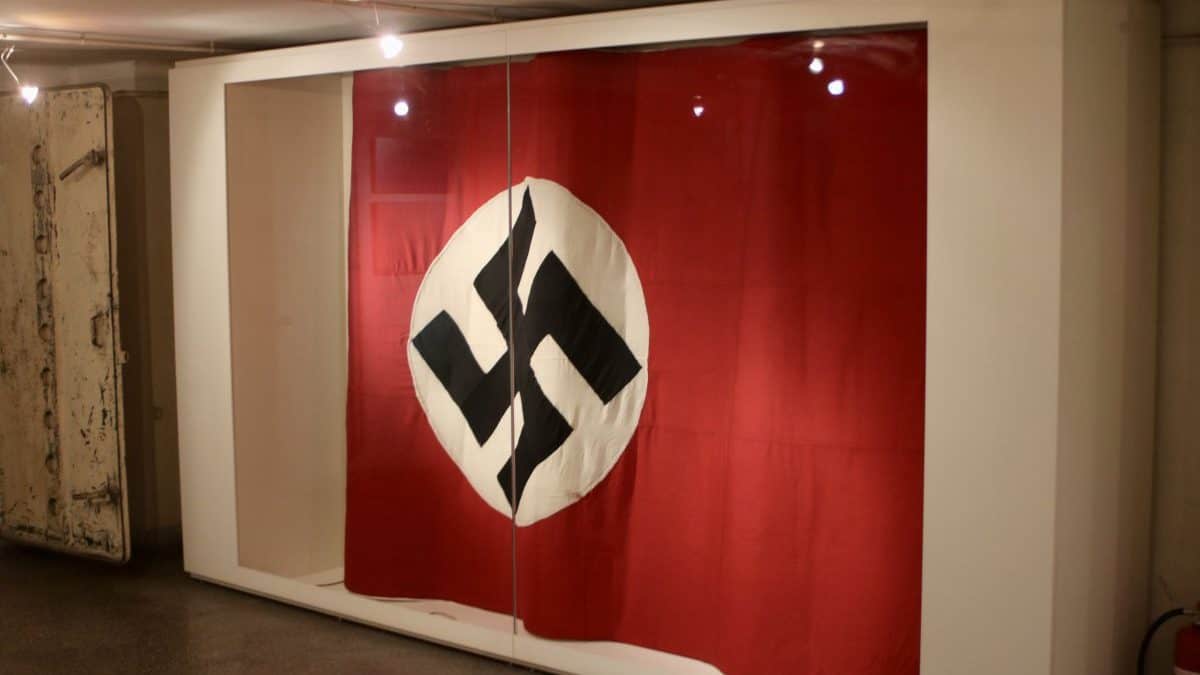
The memorial covers two basements and six chambers.
The first basement opens with the flag, hanging on the wall, the one that flew above the building during the occupation. It has a physical weight to it that I can’t fully explain, and it sets the tone for everything below.
There are display cases too, with small objects found in the building after the war, including cigarette packs.
The first basement doesn’t show much about how the space was used, and that’s not an accident. The occupiers made an effort to erase the evidence before they left. It’s only in Chamber IV that the traces appear, marks on the floor from six small cages.
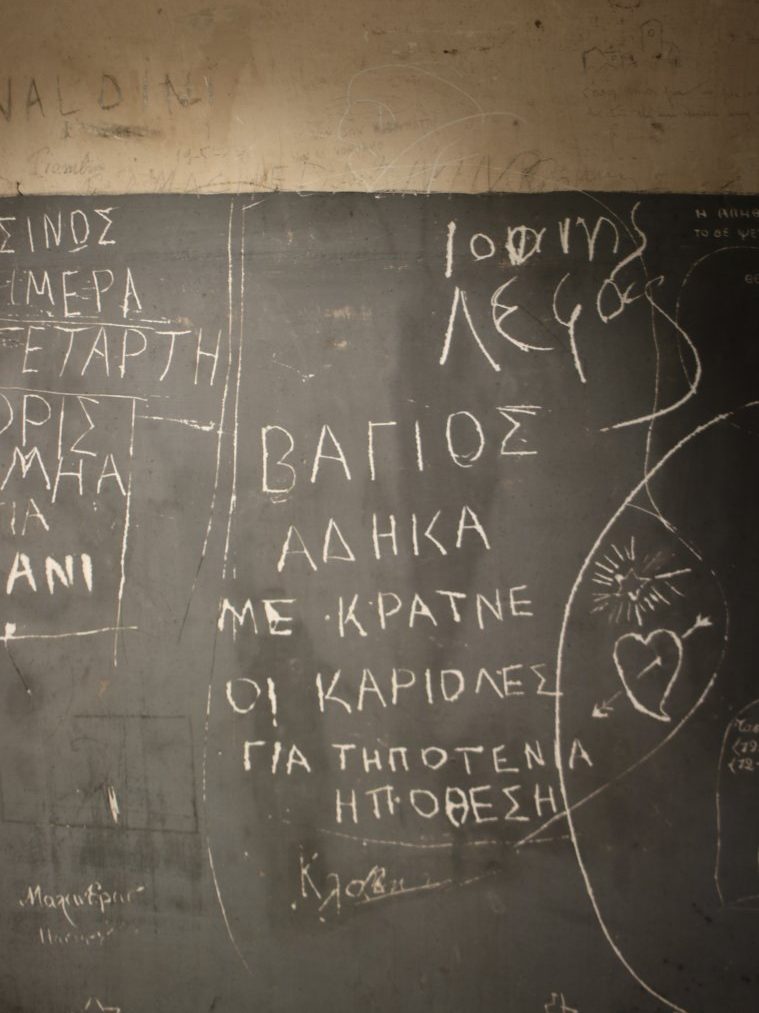
It was when we reached the second basement that we were able to realise the amount of pain and suffering those people endured.
The walls are covered in inscriptions, in Greek, Italian, and German. Each one belongs to a different person. Some are asking for water. Some record when and how they were arrested. A few drew hearts and peace symbols, which is somehow harder to look at than the rest.
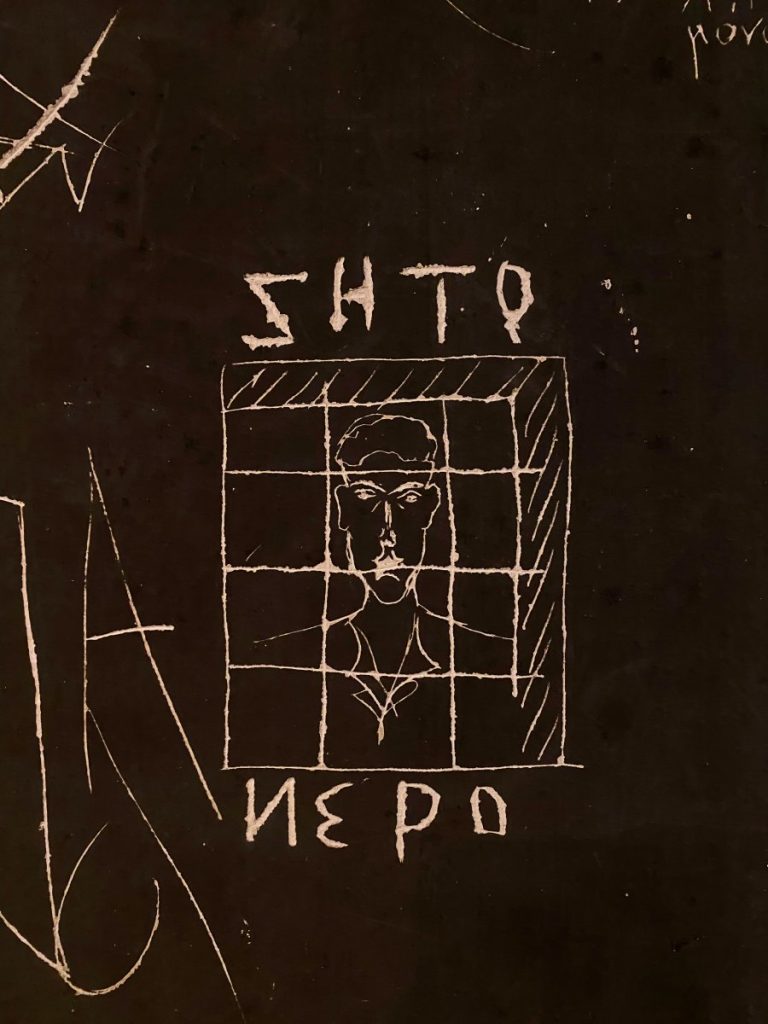
I’ve been back plenty of times now, and I find something I missed on every visit. Another name, another sentence, another person.
My one criticism is that there are no English translations. It would make the site far more accessible to anyone who can’t read Greek, and given what’s written on those walls, that feels like something worth fixing.
Google Translate handles the inscriptions well enough, and coming with a Greek friend who can read them aloud is better still. Even without following a word of it, the visit is worth making. The dark, the damp, and the cold do more than enough on their own.
Visiting Hours
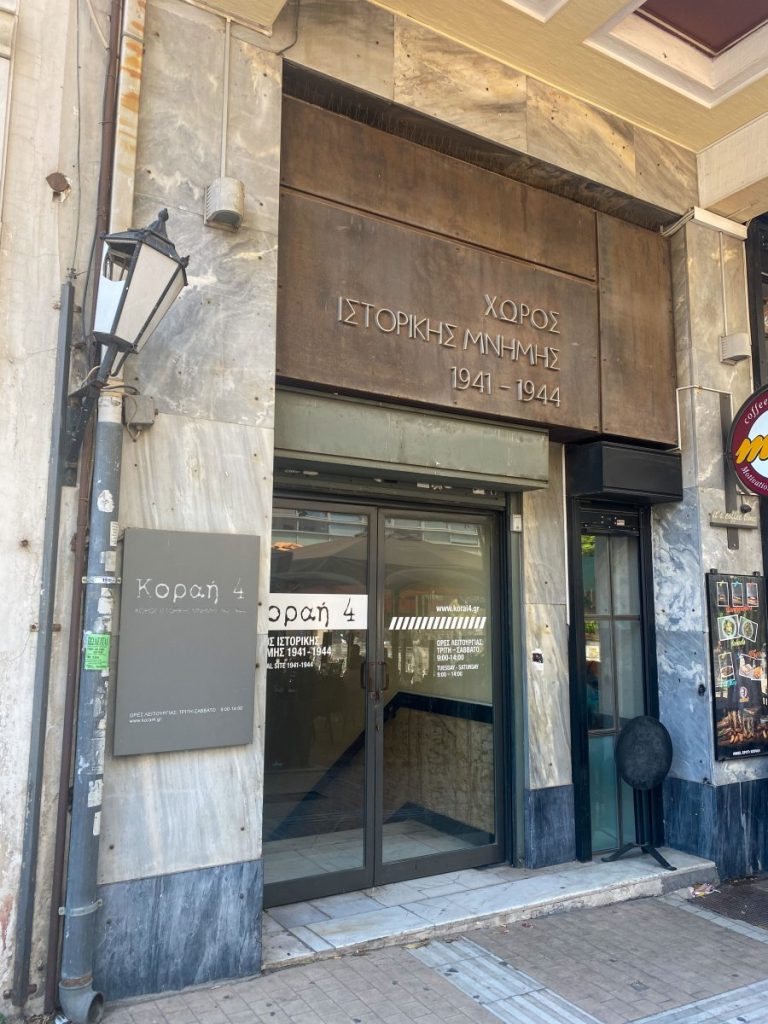
The location makes this easy to fit in. Klafthmonos Square sits a few minutes from Syntagma and Panepistimio, walkable from almost anywhere in the centre.
Given the hours, Tuesday to Saturday mornings only, I’d make it the first stop of the day rather than something squeezed in around lunch. It closes at 14:00, and turning up at 13:45 is not the way to see it.
Afterwards, the National Historical Museum is a five-minute walk away at Kolokotroni Square and covers a different chapter of the same story, how the modern Greek state was built. The Numismatic Museum’s garden café is also close, and an hour underground tends to leave a need for somewhere quiet to sit.
Final Thoughts
This visit sent me down a much longer road. I started wondering whether Athens had more places like this, hidden in plain sight, and the more I looked the more I found.
That turned into a separate Athens dark tourism guide, covering Nazi execution sites, junta torture chambers, an abandoned sanatorium, and a few stranger corners of the city. Anyone this article interested should go there next.
For the rest of the trip, my things to do in Athens guide covers the wider city, and the museums guide ranks them by who each one suits.