Maria Callas Museum Review: A Hidden Athens Gem
I wouldn’t call myself an opera person. I do, however, love music and a good museum, and when Travel Vibe, the biggest travel blogger community in Greece, got us in among the first to see the new Maria Callas Museum, I went mostly out of curiosity.
I ended up loving it. The exhibition is excellent, the story behind the soprano is both stranger and sadder than I expected, and the interactive elements held the attention of someone with a very short attention span like myself really well.
And then there’s the café serving Maria’s favourite cocktail, which she apparently took very bitter.
Whether a museum about an opera singer earns an hour of an Athens trip, starting from no interest in opera at all, was exactly my own question. The short answer is yes, and the rest of this piece will explain why.
Just so you know: Some links on this page are affiliate links, which means I might earn a small commission if you book or buy through them, at no extra cost to you. Thank you for your support!
The Practical Details
- Address: Mitropoleos 44, opposite the Athens Cathedral.
- Nearest metro: Monastiraki or Syntagma, both roughly five minutes on foot.
- Hours: Tuesday to Sunday, 10:00 to 18:00. Fridays until 20:00.
- Ticket: €10.
- Guided tour: €14 per person, booked through the museum.
- Time needed: About an hour, or 90 minutes with time in the listening rooms.
Who was Maria Callas?
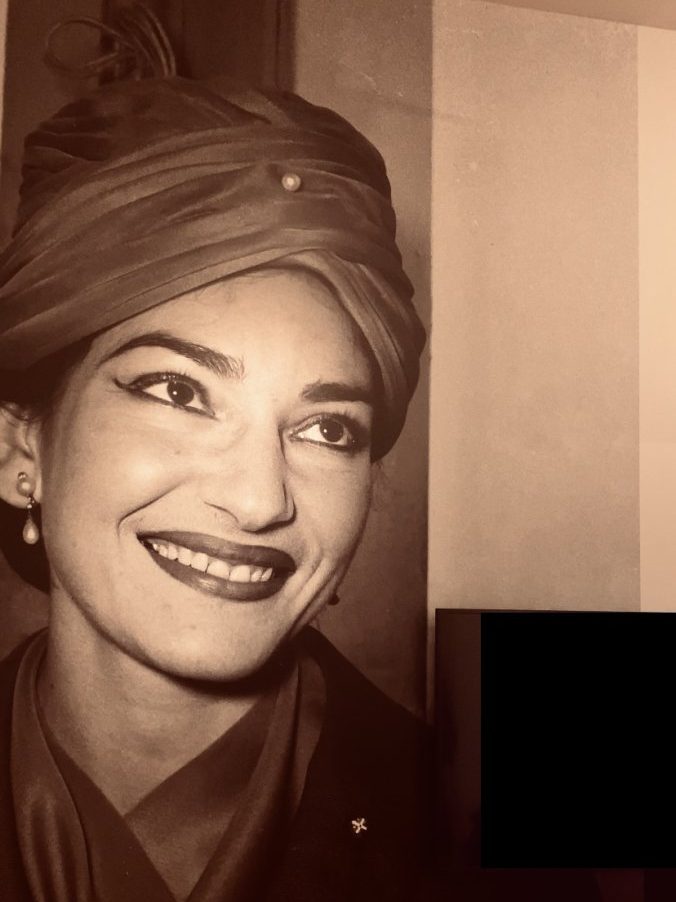
I didn’t know much about Callas before visiting, but the museum does a very good job of filling that in along the way.
She was a Greek soprano born in New York in 1923, and she’s widely considered the greatest opera singer of the 20th century.
But what set her apart from her contemporaries was that she acted the roles rather than simply singing them, bringing an emotional intensity and sense of theatre that was unique to the genre at the time.
There’s a sadder side to her story too, in regards with her family and romantic relationships, which the museum handles lightly. I think that’s the right call for a space like this, though this is the artist far more than the full story.
The Municipality of Athens started buying Callas material at auction back in 2000, and the museum now holds well over a thousand items. This is also only the first of two Callas spaces planned for the city. Her old home on Patission Avenue is set to become an academy of lyric art.
The Second Floor Exhibition
Start on the second floor and work down. The museum is arranged so getting to know her voice comes first and learning about her life second, and it I think that it works much better in that order.
At the entrance to the floor there’s a dictionary explaining the classic roles in opera. Knowing close to nothing about the genre, I found that very useful. I took a photo of it and used it as reference later, and it actually helped.
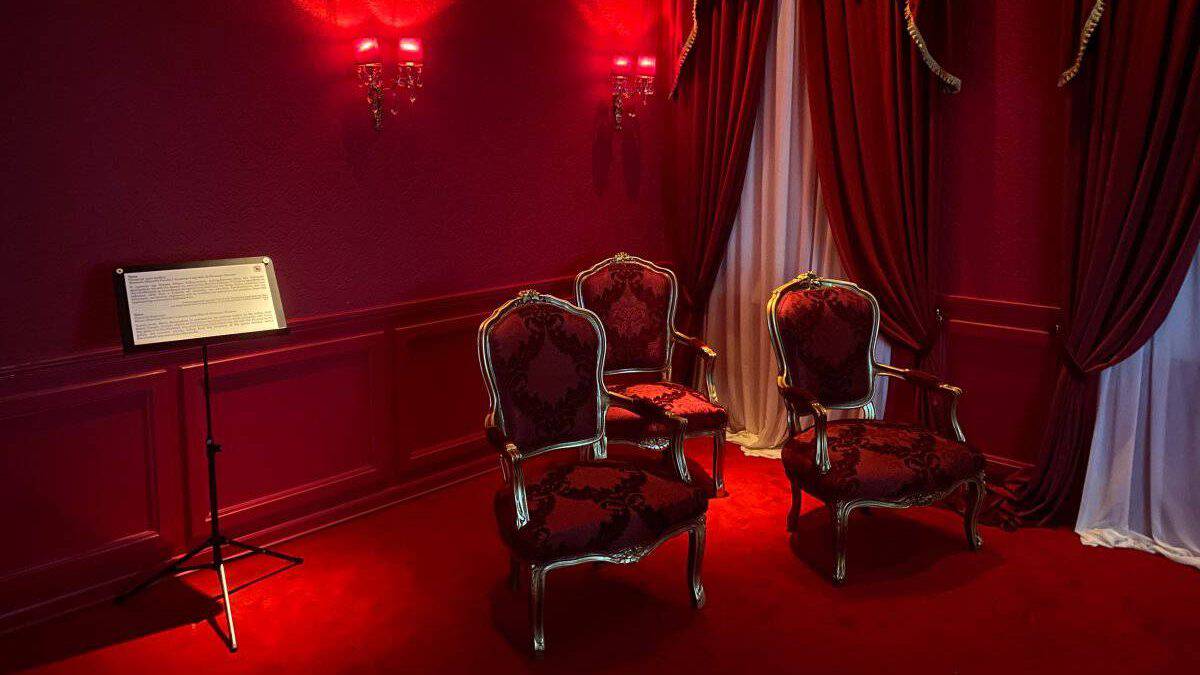
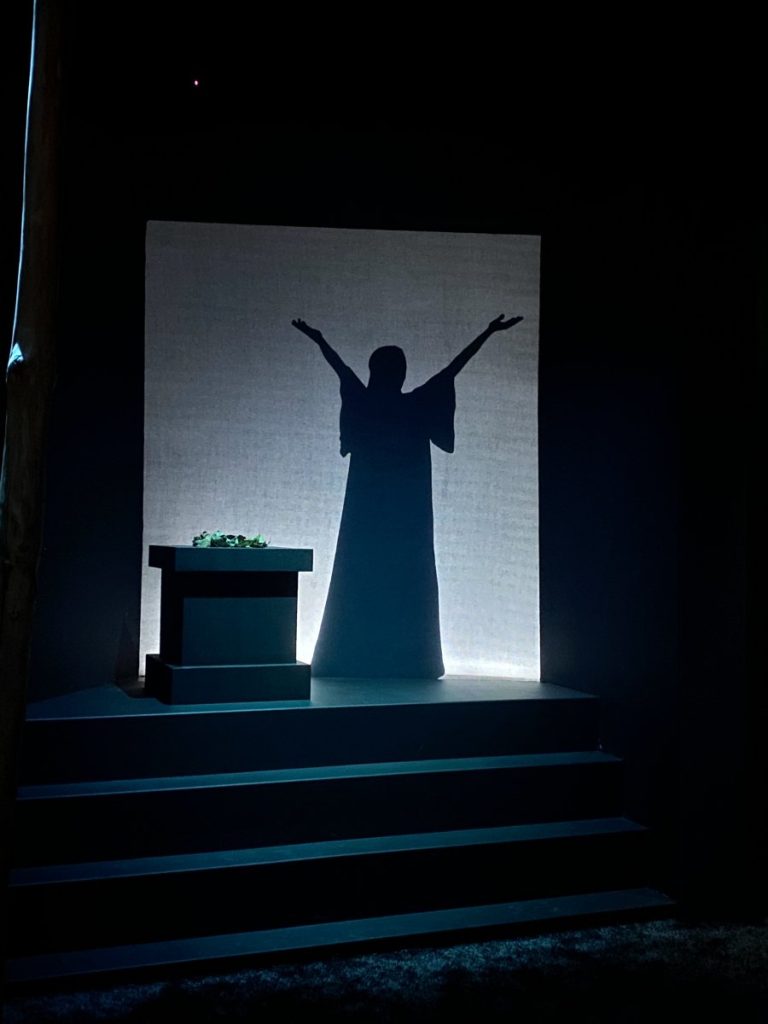
Inside are three rooms simulating scenes from her most famous roles.
In Tosca, Callas played a passionate opera singer, which is a bit on the nose, and her interpretation is still regarded as one of the finest in the history of the form. Norma is Bellini’s tragic opera about a priestess caught in a love triangle. In La Traviata, she played Violetta, a courtesan torn between love and social expectation.
Standing in those three rooms one after another, I couldn’t shake how closely the women she played mirrored the shape of her own life. Whether the museum intended that reading or not, it’s another matter.
A fourth room shows footage of her teaching at the Juilliard School in New York in 1971 and 1972.
The floor also has a balcony with partial Acropolis views, open to anyone. Nothing signposts it, so it’s easy to walk straight past, but I would argue that it’s worth a stop and a quick look.
The First Floor Exhibition
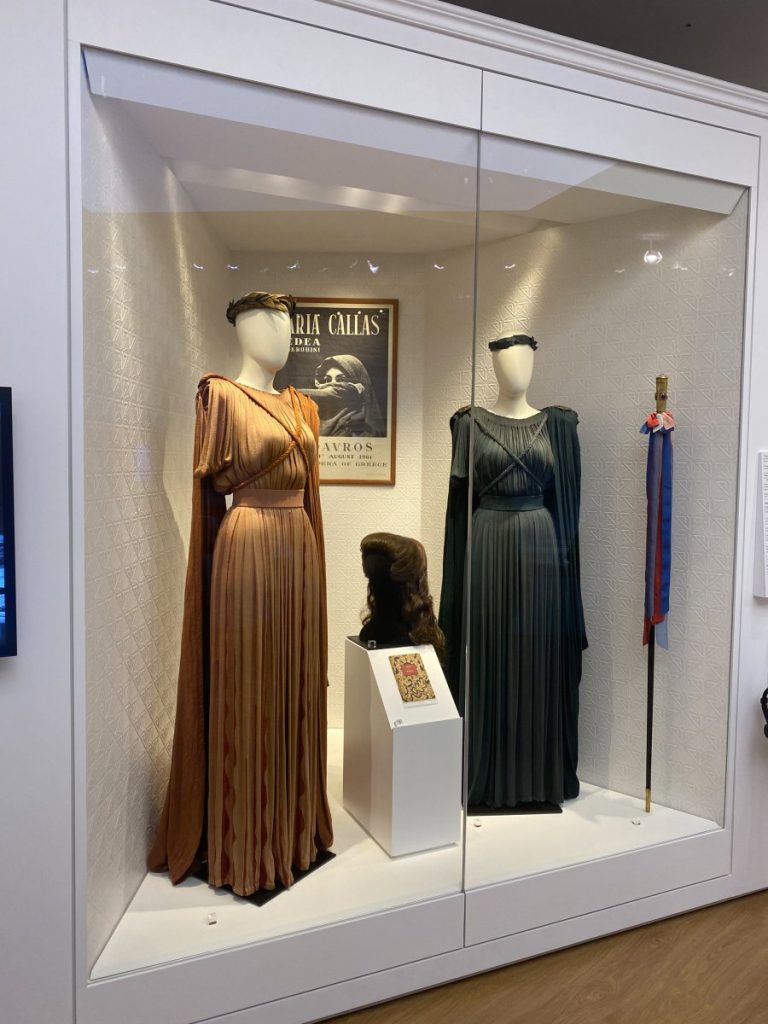
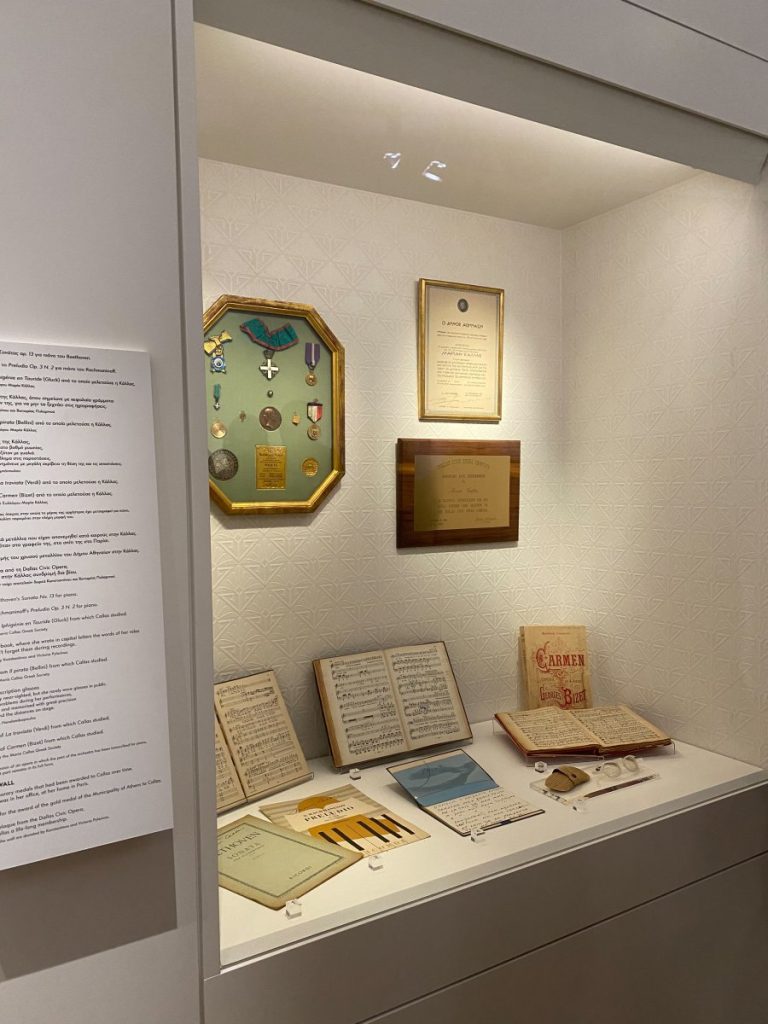
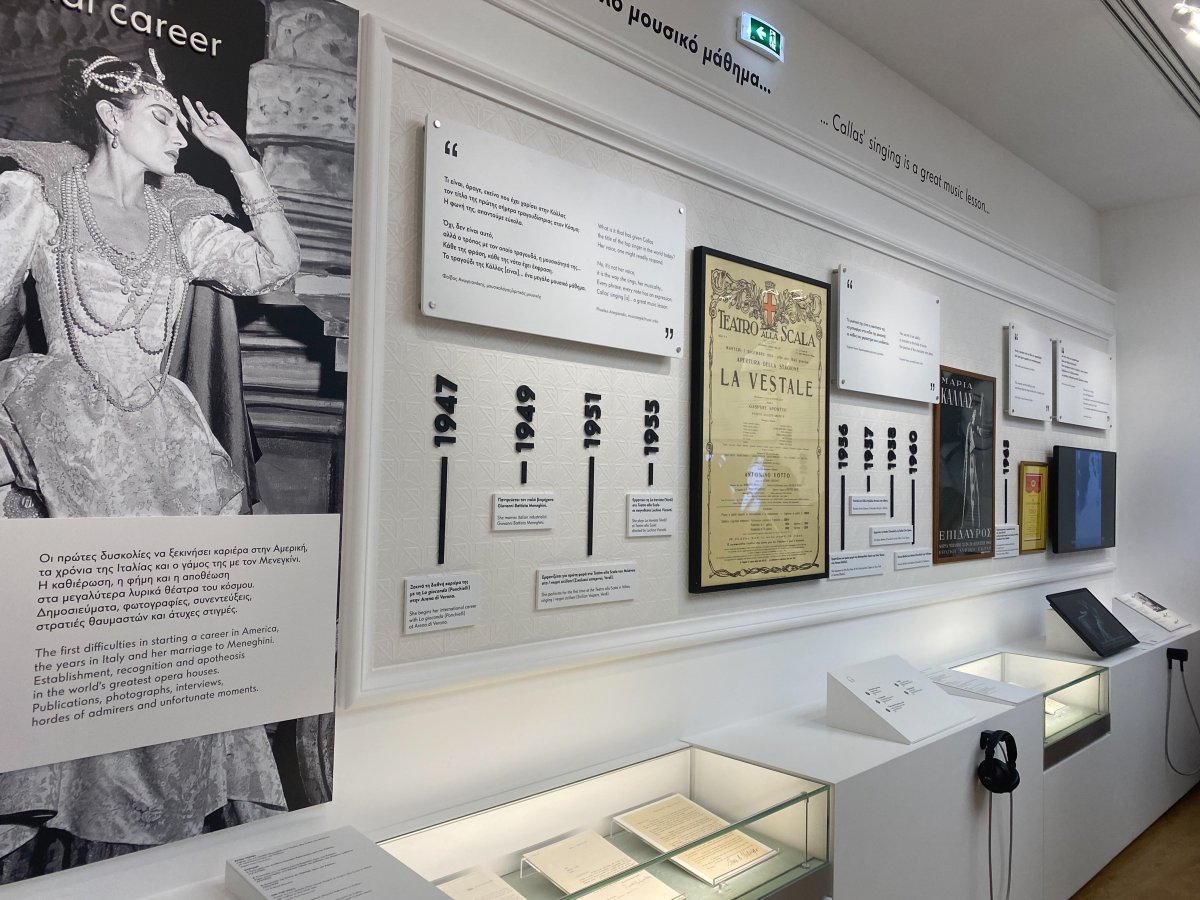
The first floor takes a more factual approach, moving through her life in order.
It covers her childhood in Athens during the Second World War, her “complicated” relationship with her mother, and the people who shaped her career.
The interactive technology is the best thing about the museum. Recordings of her performing famous arias, interviews, drawers that open, material to pull out, they really take pride in it.
Of the thousand-plus items on display, my favourites were the actual costumes she performed in. There’s also a lock of her hair, kept by her stylist, which is not at all unsettling.
Try the Museum’s Café
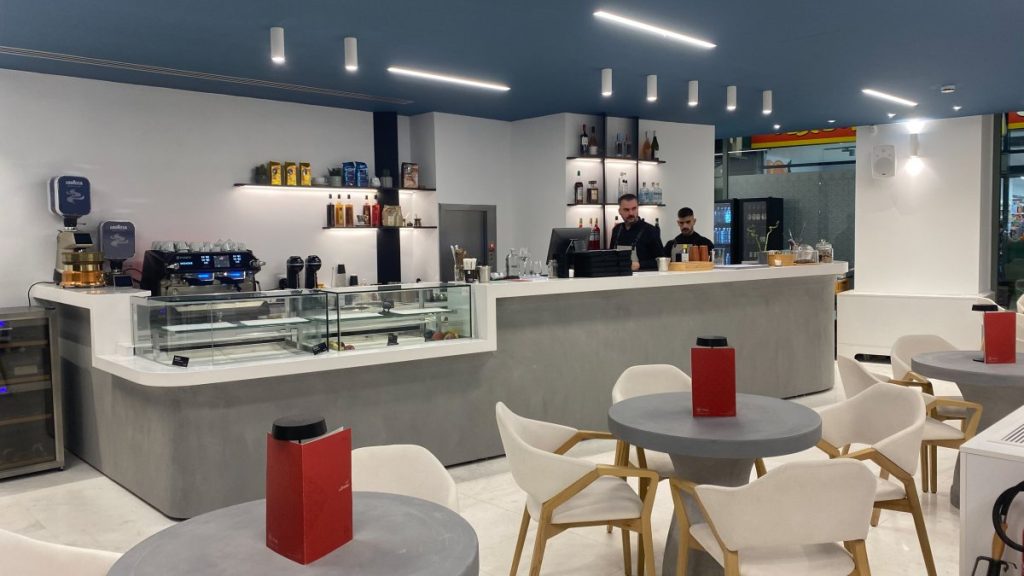
The café on the ground floor is worth ten minutes on the way out. The design is simple, but the reason to stop is the “Divina” cocktail, which was Callas’ own favourite drink.
Staff told us she liked it extremely bitter, and that they’ve softened it a little for the rest of us. It’s still bitter. It’s also very good, and drinking it right after spending an hour with her story is a better ending than the gift shop.
The café is open to anyone, not only ticket holders, so it can as well be a stop on its own. After all, it’s in the most central part of the city.
Is It Worth Visiting?
For a niche museum, this one punches above its weight, and it’s become one of my favourites.
Go for a well-designed museum, an extraordinary life, or something indoors and central but different. No knowledge of opera required. My case proves that point well.
It’s location makes it simple to combine with other things. It sits directly opposite the Athens Cathedral, a few minutes from Monastiraki and Syntagma, and close enough to Plaka to fold into an afternoon of wandering. From anywhere in the centre, it’s on the way past at some point anyway.
Final Thoughts
The Maria Callas museum earns its place through how it’s put together rather than through scale, and it’s the one I now recommend to anyone who says they don’t like museums.
For working out which to prioritise, I’ve broken down the best museums in Athens by who each one suits. And on a tighter budget, my guide to the Athens sites I’d skip paying for makes the case that a €10 ticket here beats several of the bigger names.