One Day in Athens Itinerary for First-Time Visitors
One reason I decided to dedicate this entire blog to Athens was to show that the city can be more than a transit stop before heading elsewhere in the country.
Many travellers stop by on their way to the islands, or just add it to the start or the end of a bigger Greece itinerary.
And while I’d always recommend staying longer if you can, I also know that sometimes one day is all you have.
So this itinerary is built for a full but realistic day in Athens.
You’ll start early, before the Acropolis turns into a slow-moving line of tour groups and selfie sticks, then spend the rest of the day gradually moving downhill through the oldest and most atmospheric parts of the centre.
There will be ancient sites, coffee, food, local corners, and enough time and variety to get the gist of the city.
I’ve also kept summer Athens in mind, because in July and August the city can feel like a massive frying pan, and pretending otherwise helps no one.
Just so you know: Some links on this page are affiliate links, which means I might earn a small commission if you book or buy through them, at no extra cost to you. Thank you for your support!
Athens Itinerary Map
Before we get into the itinerary itself, save this map on Google Maps so the route is easier to follow during your trip.
Start Here
- Morning: Start with the Acropolis as early as possible.
- Late morning: Visit the Acropolis Museum or Ancient Agora
- Lunch: Eat in Plaka, Koukaki, or Psirri depending on where you end up.
- Afternoon: Wander through Syntagma, Monastiraki and Plaka.
- Evening: Have dinner in Plaka, Psirri, Koukaki, or Kolonaki, then take a slow walk through the historic centre.
Morning: Visit the Acropolis Early
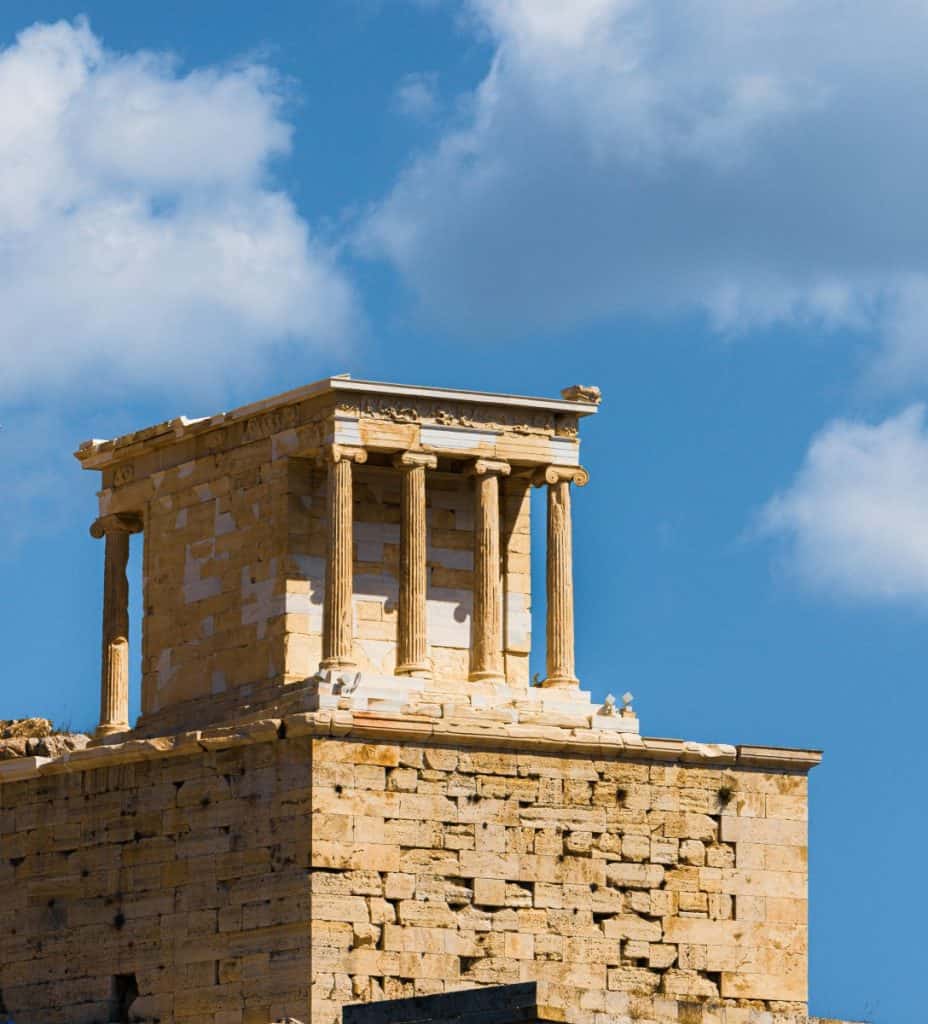
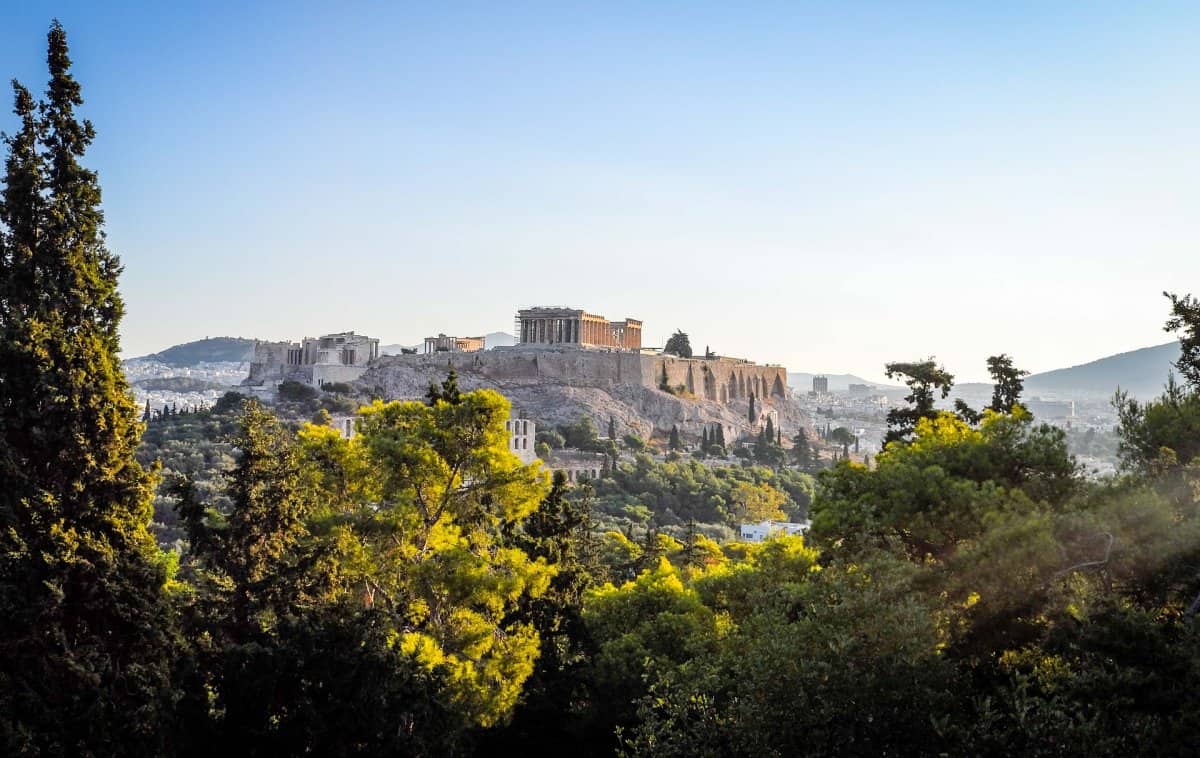
Visit the Acropolis on the first available time slot, because leaving it for later in the day makes everything harder.
Heat builds fast, the crowds thicken after 10:00, and the walk up becomes much less enjoyable.
You’ll often see people recommend entering from the southern entrance, though I’d use the main entrance instead.
This way, you get the main section over with at the beginning, when you still have energy, and then gradually make your way down.
It avoids a lot of unnecessary uphill walking later and leaves you in the best position to continue through the historic centre on foot.
One small but useful tip: bring a lot of water.
There is a shop near the main entrance, but always ask specifically for Greek-branded bottled water.
By law, small bottles from Greek brands have a maximum price at €0.6, while imported brands do not follow the same cap and can cost more.
This is why you’ll sometimes see international water brands priced at €5 or €6 in touristy spots.
The cheaper Greek bottles may not be displayed clearly, so ask for them directly.
I hate seeing people being cheated that way because they haven’t been informed of their options.
Late Morning: The Acropolis Museum or Ancient Agora
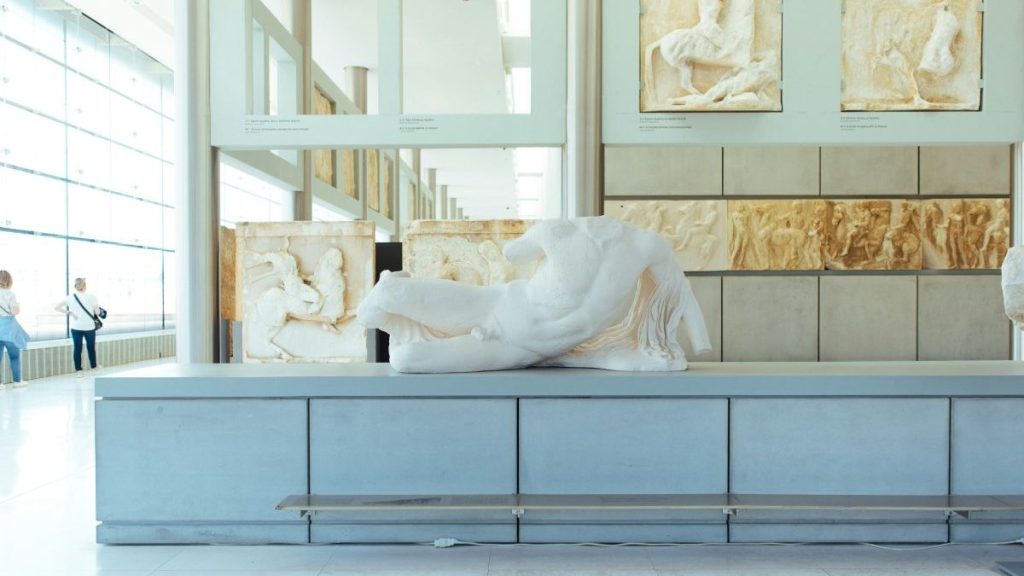
Once you come down from the Acropolis, the easiest thing to do is keep walking.
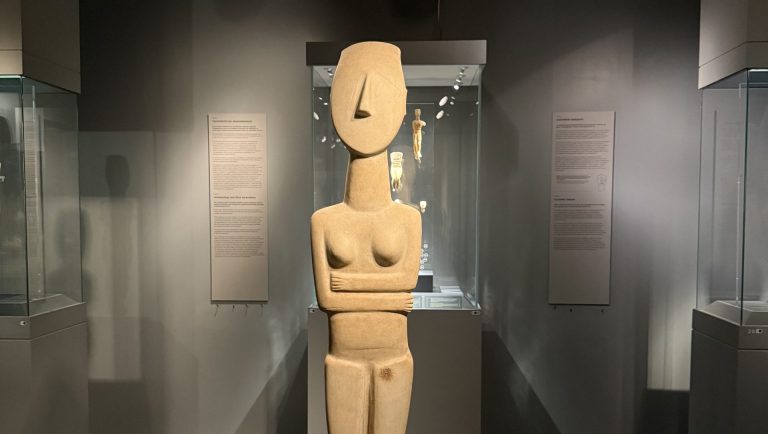
From here, you can either head toward the Ancient Agora or visit the Acropolis Museum, which is right in front of the southern entrance.
It’s modern, well organised, and makes the site much easier to understand.
That said, with only one day in Athens, skipping it is also a perfectly reasonable choice.
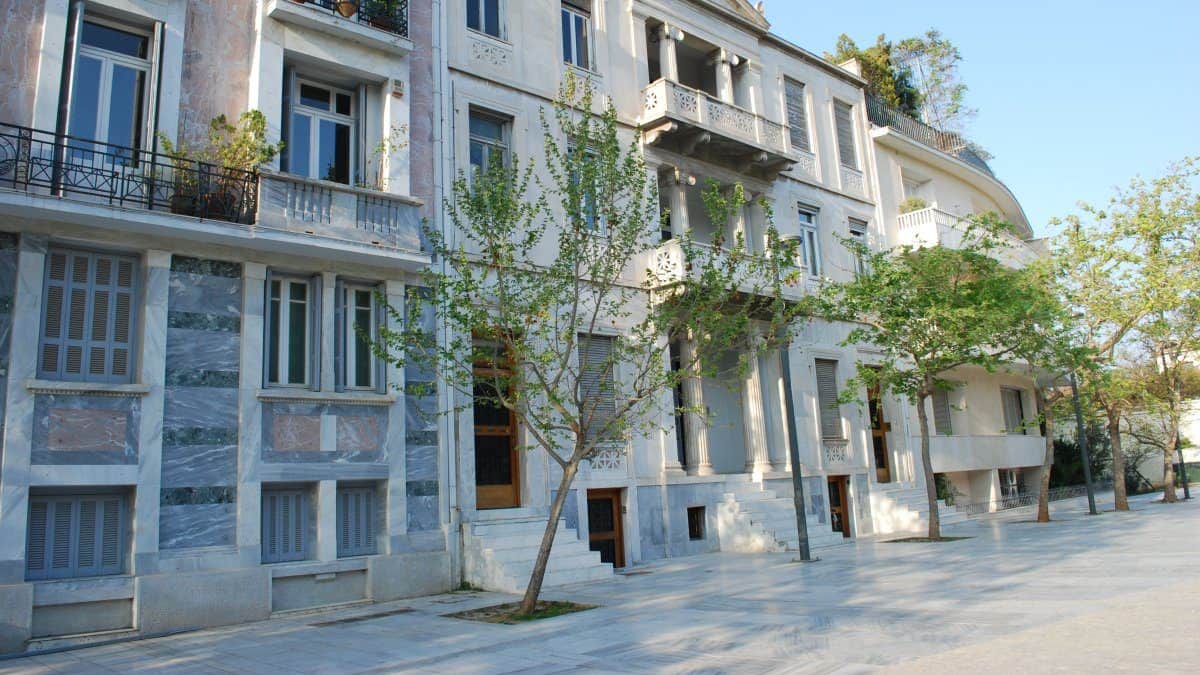
If you opt for that, start walking through Dionysiou Areopagitou, the wide pedestrian street running along the southern side of the Acropolis.
It’s still one of the best walks in Athens, and a good reminder that the city is not all traffic and concrete.
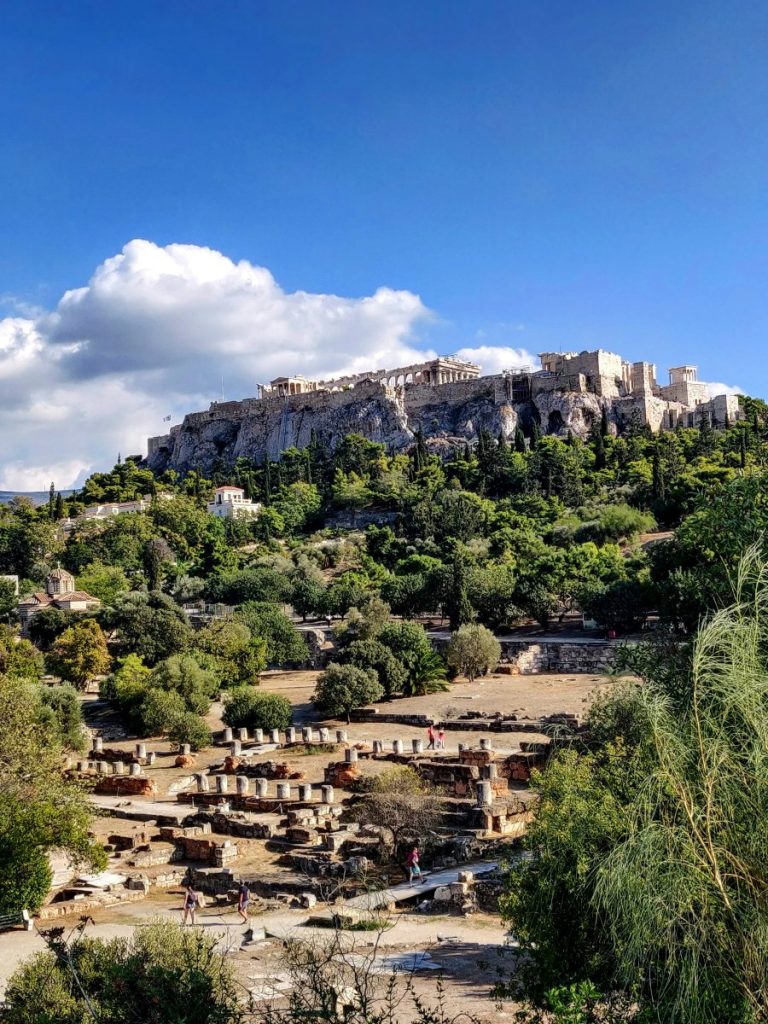
At some point, you’ll reach the entrance to ancient agora, the centre of public life in Ancient Greece.
The big highlight is the Temple of Hephaestus, one of the best-preserved ancient temples in Greece.
There’s also the reconstructed Stoa of Attalos, which now houses the Agora Museum.
That said, both the Ancient Agora and the Acropolis Museum cost the same to enter, so this part really depends on what interests you more.
If you prefer sculptures, context, and a more structured museum visit, choose the Acropolis Museum.
If you’d rather stay outdoors and see another archaeological site, choose the Ancient Agora.
In summer, this decision changes slightly because the Acropolis Museum has air conditioning, which can make a huge difference in July and August.
The Ancient Agora does have some shaded sections, but it is still mostly an outdoor visit.
Lunch: Plaka, Koukaki or Psirri
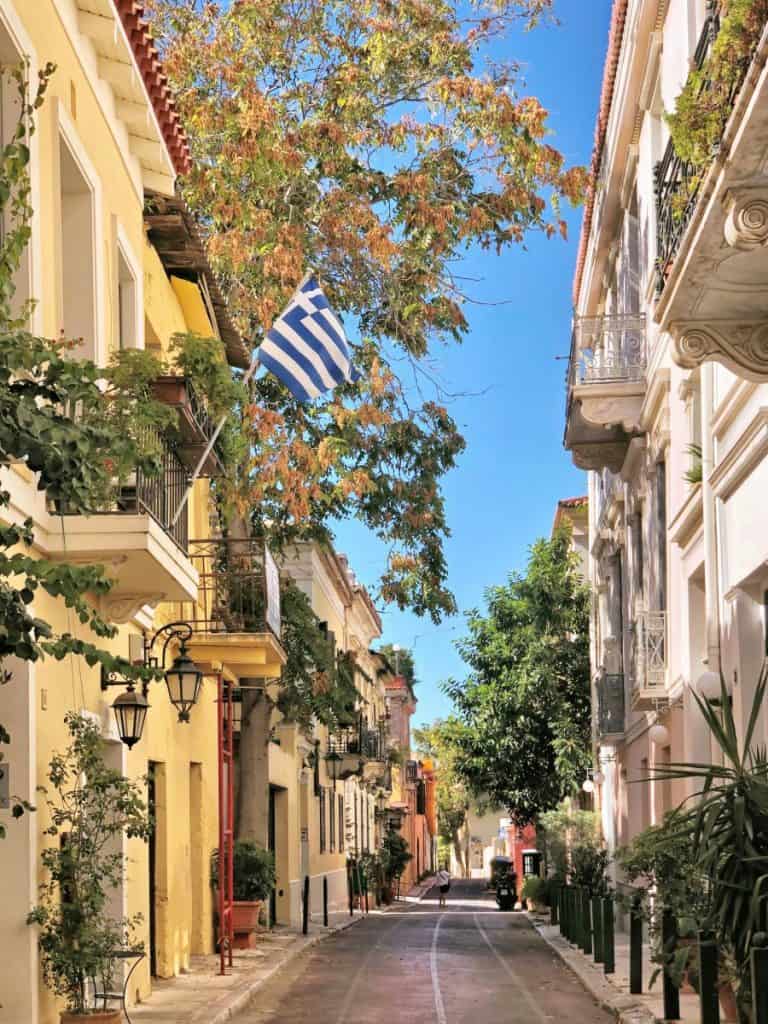
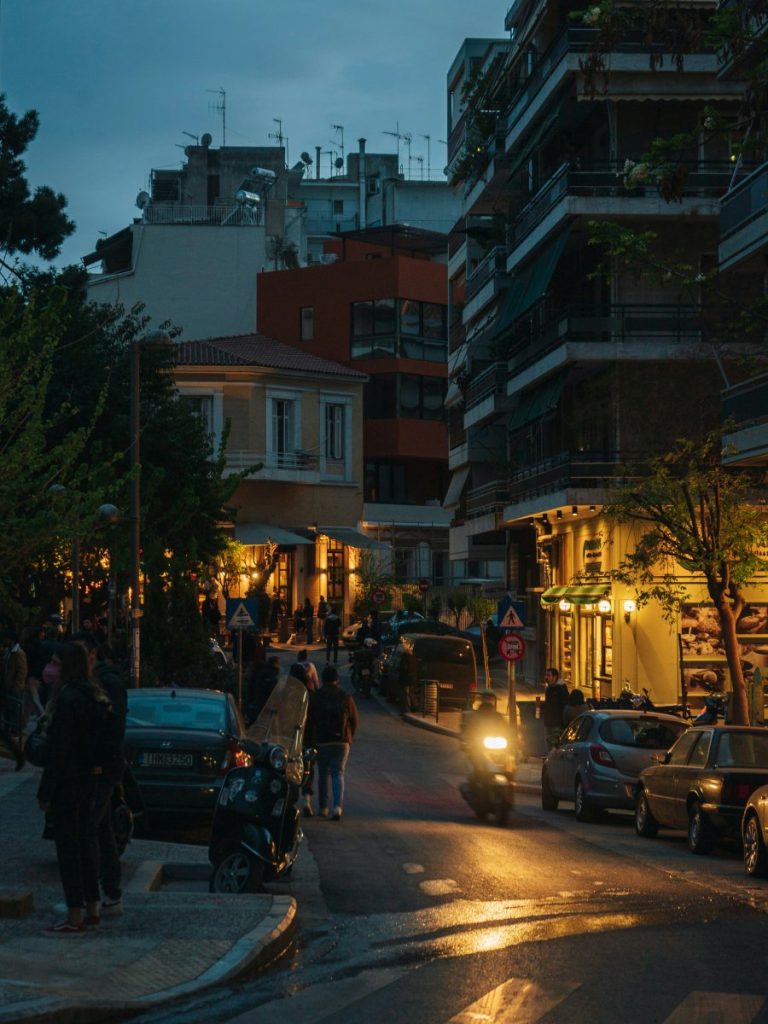
After the Acropolis Museum or the Ancient Agora, it’s time to stop for lunch.
But where you eat depends on the route you picked before.
If you visited the Acropolis Museum, stay on that side of the centre and walk toward Plaka or Koukaki.
Both are right under the Acropolis, just on different sides of it, and both are easy to reach on foot.
Parts of Plaka are touristy, but it still is a good place to sit down before continuing the day. Lyra and Scholarchio are two solid options for greek food.
Koukaki is calmer, more residential, and has plenty of options as well.
Some of my favourites there are Opos Palia or Dyo Dekares for Greek food, Pizza Dough! for pizza, and TukTuk for Thai.
If you chose the Ancient Agora, you’ll naturally end up closer to Monastiraki.
I would avoid eating around the square itself, where many restaurants tend to charge more for fairly average food.
Instead, walk a few minutes toward Psirri and eat at Krasopoulio tou Kokkora.
It’s close enough that you won’t lose time, but it is a much better lunch stop than sitting somewhere directly on Monastiraki Square.
Afternoon: Syntagma, Monastiraki and Plaka
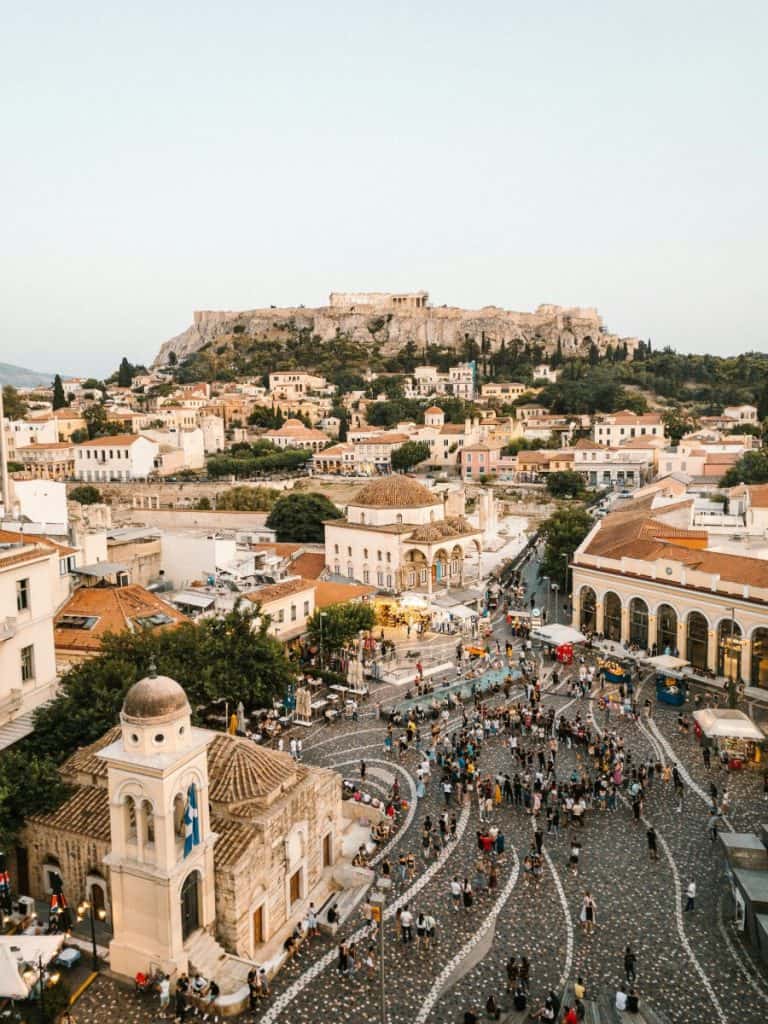
After lunch, don’t be afraid to slow the day down.
If you’re tired, go back to your hotel and rest for a bit. If it’s hot, do the same.
Athens in summer can drain your energy quickly, and forcing yourself through the afternoon heat will make the day worse.
When you’re ready to head out again, start from Syntagma Square.
See the Parliament building and the Evzones outside the Tomb of the Unknown Soldier, then walk down Ermou Street toward Monastiraki.
Ermou is one of the main shopping streets in Athens, so this is a good time to browse a little. On the way, stop at 72H Bakery for pastries – it’s one of the best stops in the city.
From there, continue toward Monastiraki Square.
It’s not exactly peaceful and people are constantly coming and going, but you get that mix of tourists, locals, street vendors, musicians, and that slightly chaotic energy that is very typical of the city.
Before heading into Plaka, take a look at Hadrian’s Library from the outside.
Most of it is visible from the street, and for a one-day itinerary, I don’t think the ticket is really worth it.
The same goes for the Roman Agora.
Then continue into Plaka.
This is the right part of the day to stop following the itinerary too strictly.
Move away from the busiest souvenir streets when you can, and let yourself get lost in the smaller lanes behind them.
See the old houses, small churches, and quiet little corners.
From there, walk up toward Anafiotika, the small hillside pocket built by craftsmen from Anafi in the 19th century.
Just walk carefully, remember that people still live here, and then head back down toward Plaka for dinner or a drink.
Evening: Dinner, Drinks and a Slow Walk
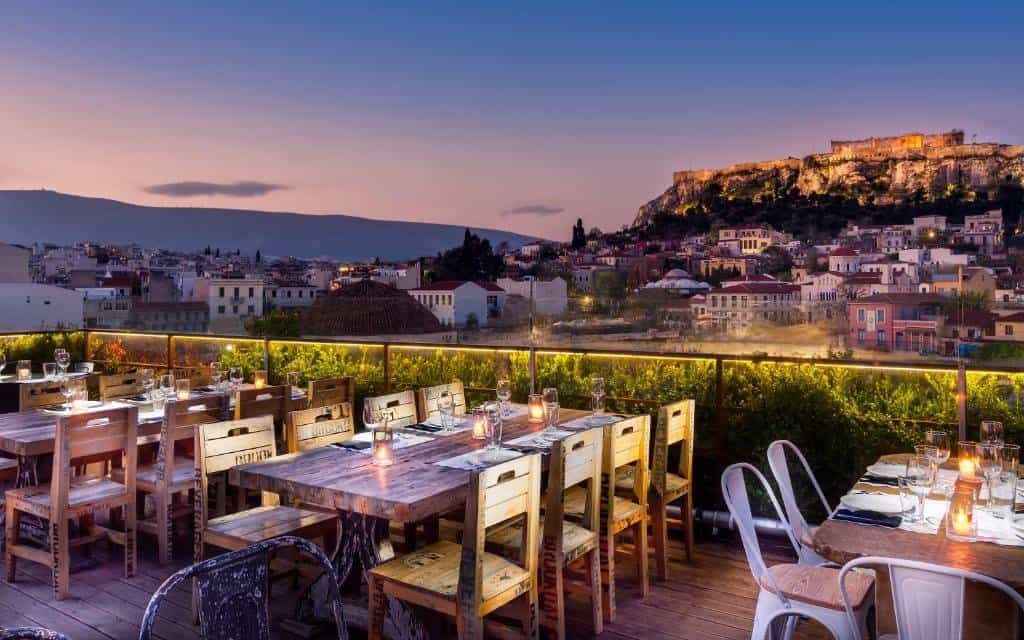
For dinner, I’d use the same neighborhoods I recommended for lunch and simply pick a different restaurant.
If you are around Plaka, Psirri, or Koukaki, stay there – there is no reason to overcomplicate the evening by moving too far again.
If you feel like ending the day in Kolonaki instead, Oikeio is one of my favourite choices.
After that, you have a few good ways to finish the night.
If you want drinks with a view, go for a rooftop bar with Acropolis views around Monastiraki like 360 Cocktail Bar, or Ermou 18 Beyond the Horizon near Syntagma.
For something quieter, my personal favourite wine stop is Drunky Goat for a tasting of Greek wines.
Just make a reservation in advance, because it fills up quickly in the evenings.
For dessert instead, head to Serbetospito in Psirri. It’s a good stop for traditional Greek sweets like ekmek, galaktoboureko, and syrupy desserts before ending the night.
Final Thoughts
One day in Athens goes quickly, but it can still be enough to understand why the city deserves more than a passing glance.
Start early, keep the route simple, walk as much as the weather allows, and don’t try to turn the day into a race between ruins.
The Acropolis, the historic centre, a good meal, a few slower stops, and an evening drink or dessert already give you a good first taste of the city.