Traveling to Syria in 2026: Everything you need to know
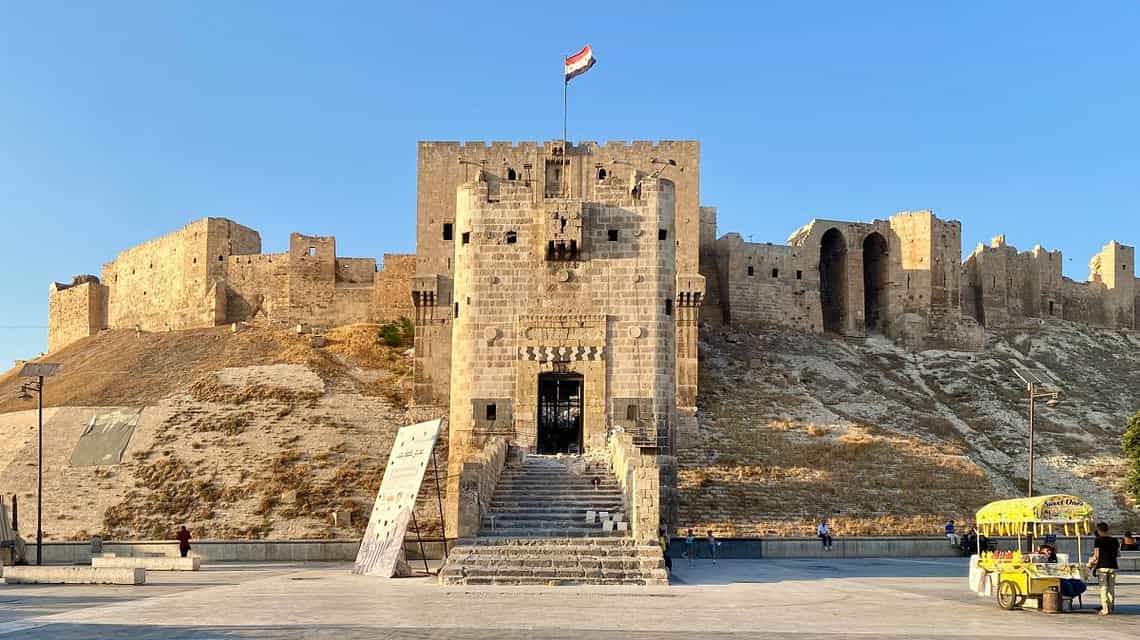
While traveling to Syria might seem strange or even crazy (That was also my case before I did my research and learned more), this historic, yet troubled country has emerged as an alternative travel destination in the past few years.
I had the privilege of spending 6 days in this wonderful country, and I can surely say that it was a life-changing experience.
In this guide, we’ll go through the details on how to plan your trip to Syria, from general information, to ethics and everything else you might need to know.
If you want more to be persuaded, head to my guide with 25+ compelling reasons to Visit Syria in 2026.
Just so you know: Some links on this page are affiliate links, which means I might earn a small commission if you book or buy through them, at no extra cost to you. Thank you for your support!
A Little Bit Of History
Syria has a long history that goes back thousands of years. Since the ancient times, it has been home to different civilizations like the Phoenicians, Assyrians, and Romans. It has served as a crucial center for both Christianity and Islam (Impressive, isn’t it?).
Over the centuries, it has been ruled by different empires, such as the Byzantines and Ottomans. The modern Syrian state gained its independence in 1946.
Historic fun fact: In 1958, Syria and Egypt came together to form a union called the United Arab Republic (UAR). Egypt’s President, Gamal Abdel Nasser, had a vision of uniting Arab countries to stand against foreign influences. The union was announced from the balcony of a historic hotel in Aleppo (More to that in the next article). However, it didn’t last long. The union ended in 1961, mainly because of differences in culture, politics, and money.
Most probably, however, you might have heard of Syria because of its more recent and- let’s be honest-troubled history.
What’s The Situation In Syria Right Now?
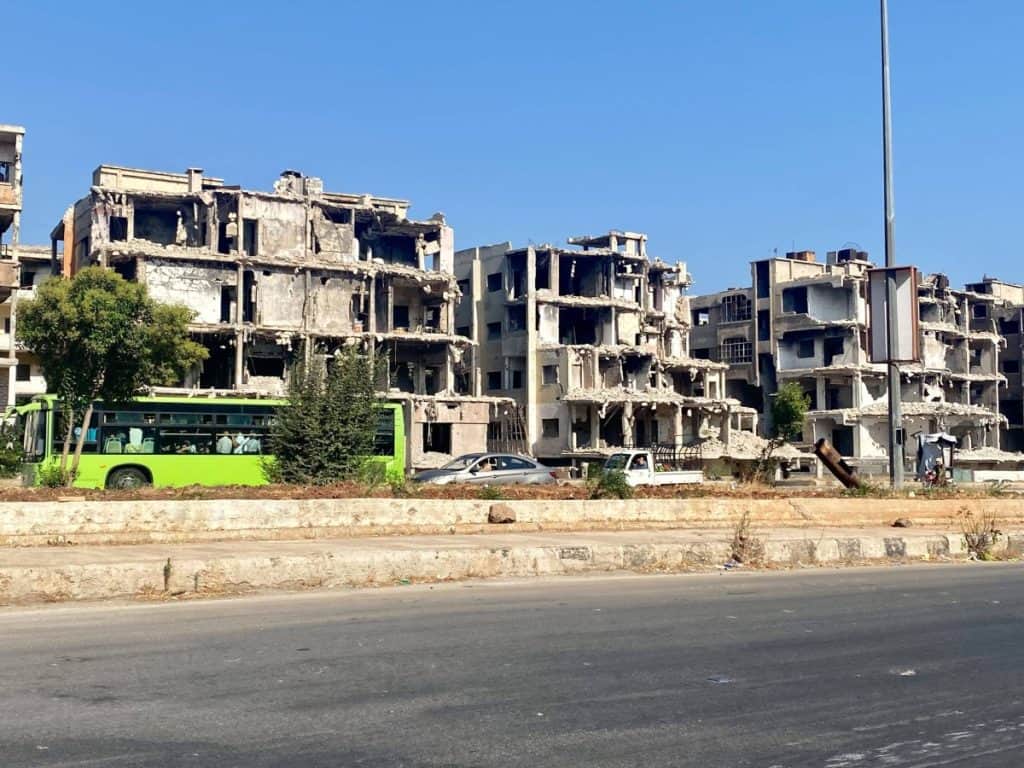
The Syrian crisis is a very complex topic which involves multiple different sides and will need much more than one paragraph to be covered. So, to save time and energy, I will not dive deeply into that. There are many great sources to get information from, and I would surely recommend to do so before traveling to Syria, because it is a very interesting part of human history.
Let’s talk about the latest developments, mainly what happened in late 2024. Basically, a rapid, widespread offensive by opposition forces swept through major cities, ending in the takeover of Damascus on 8 December 2024.
This is considered to have brought an official end in the decade-long civil war. In the aftermath, a transitional government was established under a provisional administration.
Is It Possible To Travel To Syria in 2026?
Yes, it is very possible. In the past few years, Syria has opened its borders to foreign visitors. In fact, in 2023, more than 1 million foreign visitors and 1.2 million Syrians from abroad chose the Middle Eastern country for their vacation. This was also the first year the country welcomed American tourists.
Americans had been banned from traveling to Syria for the past years years, but that’s no more the case. US citizens can now visit the country as tourists.
After speaking with a few people with knowledge of the country and the hospitality sector, I have been told that the situation for tourists has not changed after the 2024 events.
Is it safe to travel to Syria in 2026?
I can say that I felt very safe in Syria. However, this is still one of the most common questions I get asked about traveling to Syria, so I’ll get more into detail. Basically, my biggest concern before the trip was what I could do myself to ensure my safety.
Finding travel insurance for Syria was far harder than I expected. Most insurers either flat-out refused to cover the destination or excluded anything meaningful once you mentioned it. I spent hours comparing policies, reading fine print, and hitting dead ends. It was frustrating to plan a trip while constantly worrying about whether I’d actually be insured if something went wrong.
That’s when I came across IATI Travel Insurance. Unlike many providers, IATI offers coverage for travel to higher-risk destinations like Syria. Their policy covered my trip and gave me real peace of mind, not just paperwork, but genuine protection I could rely on. Knowing I wasn’t traveling uninsured made a huge difference in how confident I felt about travelling to Syria.
Another reason I chose IATI is how affordable they are compared to other insurers that offer similar coverage. Their plans include 24/7 emergency assistance in your own language (Can you imagine the struggle speaking in another language when something goes wrong?), medical coverage without any deductibles, and repatriation.
On top of that, you can get 5% off your policy when you book through my link, which makes an already reasonable price even better. If you’re struggling to find insurance for destinations others won’t touch, IATI is absolutely worth checking out.

Did I feel safe in Syria? – My personal experience
Despite what I heard in the news, I felt as safe as anywhere else I’ve beenduring the entire time I was exploring Syria. For me, it was no different from any other Middle Eastern country.
As long as you are with your guide and listen to what they advise you, you‘ll be alright. You will pass many checkpoints and see a lot of soldiers, but they are there to protect you. You’ll always be greeted with a smile and a warm “Welcome.”
Obviously, I cannot guarantee anyone’s safety when traveling to Syria, and you always travel at your own risk. However, I can say that there was no place in the country where I felt insecure, even a tiny bit.
Is it ethical to travel To Syria?
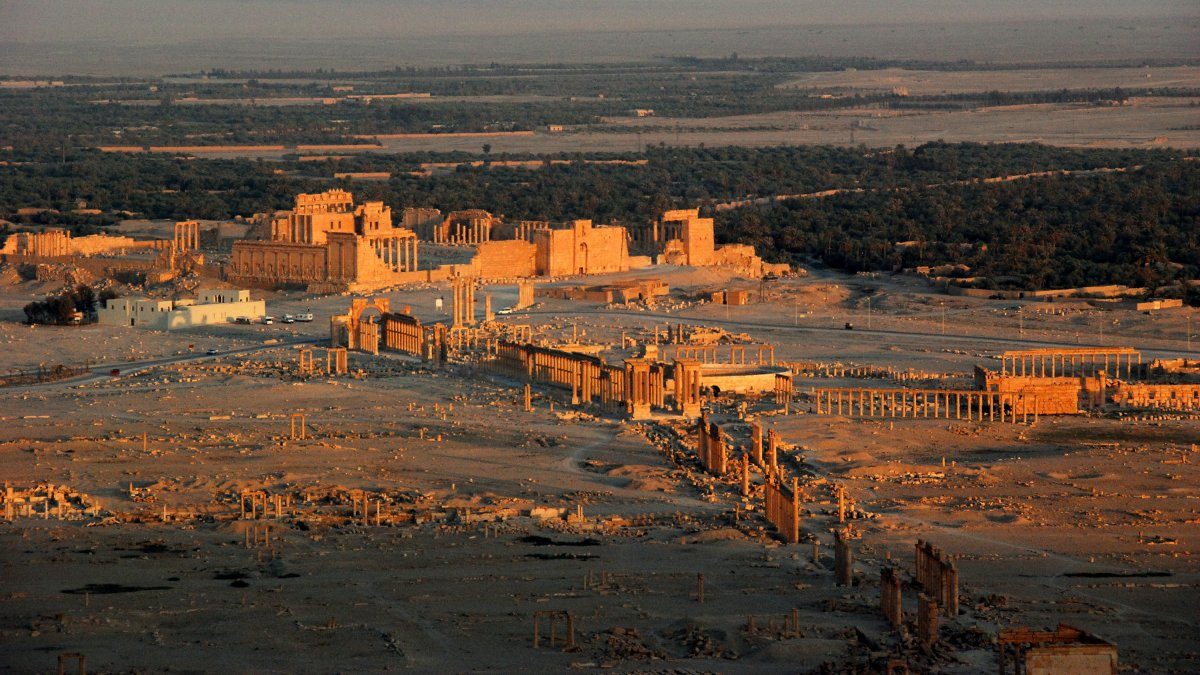
Now, let’s get to the tough part. There has been a long-lasting debate on whether traveling to Syria (or any other country that has suffered in the past few years) is ethical.
Many people asked me if I had thought this through, and many others condemned this trip and deemed it wrong or irresponsible before it started. For quite some time after deciding to plan this trip, I had only one question in my mind: “Am I doing the right thing?”.
After spending a few days in this fantastic country and having the chance to speak with a few people, I think I have my answer.
Truth is that Syrian people want tourists to come to their country. There are a few reasons for that.
First, it is proof that life is slowly getting back to normal after many years of suffering, and the once-thriving tourism sector is starting to step on its feet again. Syrians are proud people. They feel very happy that someone trusts them by visiting their country after all that has happened.
They are more than willing to reflect this trust back to you. They will tell you stories of their past, happy or sad, but always with a smile on their face. There were many days in my trip that felt like I was receiving love from everywhere. There is no other way of explaining this feeling.
Secondly and most important, Syria has been hit hard by the consequences of the war. Western sanctions have put a heavy toll on Syrian people, who see their buying power reduced with each passing day.
Syria cannot export its goods and bring foreign cash into the country, which results in a recycling economy with massive inflation. To Syrian people, money brought from outsiders like tourists can be lifesaving, as tourists might be their only source of income for their businesses.
Obviously, what is considered right and wrong is subjective. After my experience in Syria, I no longer have an internal debate on whether going through with this trip was ethical or not. I witnessed people striving to rebuild their lives and make their stories heard.
Regardless of my personal opinion on the war and the situation around it, I believe that the benefits of tourism for the people far outweigh the morally grey areas of the trip. Boycotting tourism and not traveling to Syria for “ethical reasons” is going to hurt the locals more than the ones it was intended for. That sounds a bit unethical too, doesn’t it?
How can I Travel to Syria In 2026?
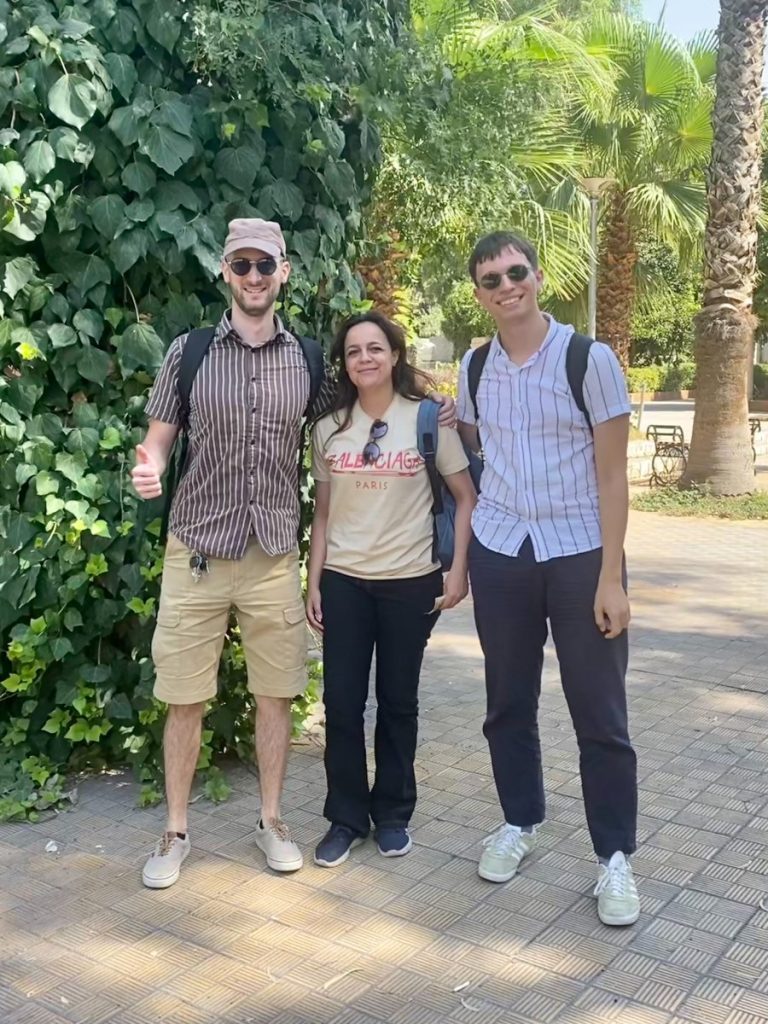
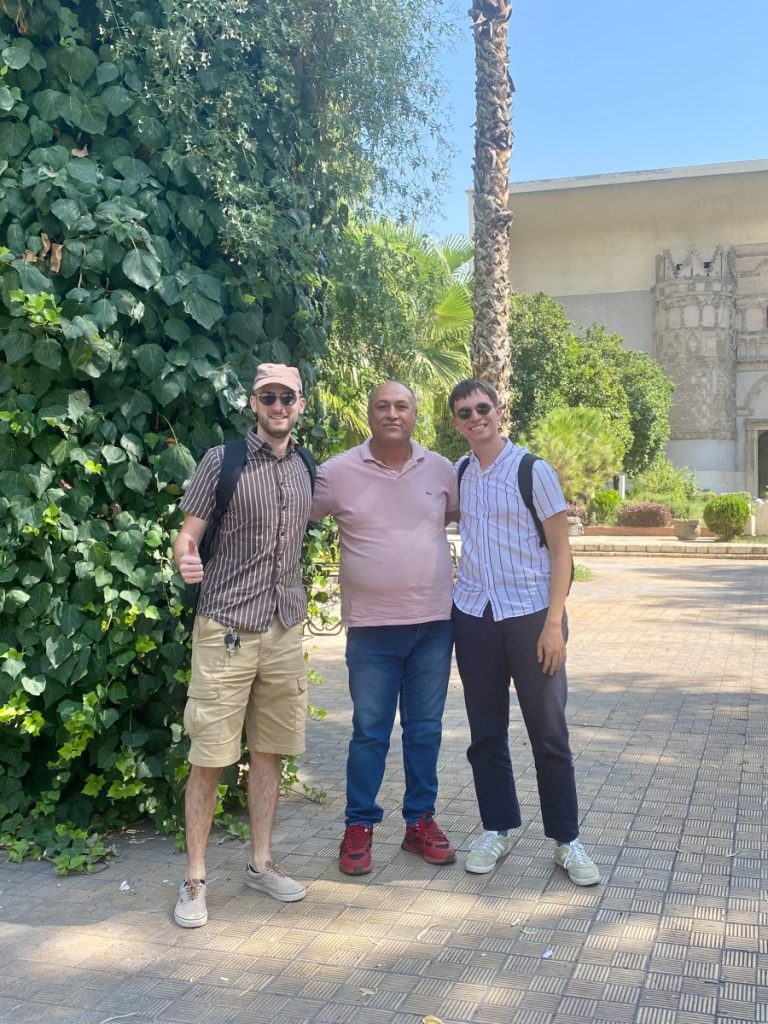
The first thing you should know about traveling to Syria is that since 2018, you must organize your trip with a local tour operator. I believe that this changed after the new government took over and you can travel without a local agency. However, I would still suggest hiring one, due to the many changes that Syria has been through lately.
We chose to organize our trip with Golden Team Syria. They have one of the most reputable travel agencies in the country and took care of everything for us before we arrived. They were excellent professionals and did their best to fulfill every request that we had.
A driver and guide were solely dedicated to our trip, and they eventually became our friends. Sally and Abo Azad, if you are reading this, thank you for making this trip unforgettable.
I will definitely choose Golden Team again next time I will be traveling to Syria, and I would highly recommend them. You can find more information on their website. Just tell them the places you would like to visit and the days you have available, and they will try to make the best program possible.
Can I Travel to Syria alone?
Since 2024, you can travel alone to Syria. However, in my experience, traveling without a tour operator will make things a lot harder for you because of the lack of English-speaking people at the checkpoints. Let’s not forget about the paperwork you will have to prepare and show. A tour operator will make this process a lot easier.
Do I need a Visa to Travel to Syria?
Yes, most nationalities need a visa to travel to Syria. The tour operator of your choice will again take care of the procedure for you. The cost of the visa varies depending on your country of origin.
The Greek visa cost was 60 euros, which we paid upon arrival at the border. I think the same applies for most European nationals. The cost of the visa for Americans is $160. The procedure is pretty straightforward, and it won’t take a lot of time before you get your passport stamped.
What else do I need before Traveling to Syria?
Before the government changed, you also needed a security clearance to travel to Syria. It was a document certifying that you are a tourist and made your life much easier at checkpoints, etc.
It was mandatory to have it, but it is no more needed. Nowadays, you will get all the paperwork at the border upon arrival. The new System allows you to enter Syria for about 30 days.
Do I need VPN for Syria?
Short answer – yes. Using a VPN in Syria is a smart move for both privacy and access. Syria’s Internet infrastructure is not the best, with most public Wi-Fi in hotels, cafés, and airports being unsecured. A VPN encrypts your connection, protecting sensitive data like passwords, emails, online banking details, and booking confirmations from potential interception.
I personally use and trust NordVPN. At the moment, it offers thousands of servers across 165 locations throughout the world, meaning that there are always fast servers to choose from, no matter the location. It is also is a five-times audited service to ensure that your online activities remain confidential, your activities will be private and your devices risk-free.
Lastly, there’s a 24/7 chat, which is very helpful if you need assistance. Visit their website to learn more.

How to enter Syria in 2026
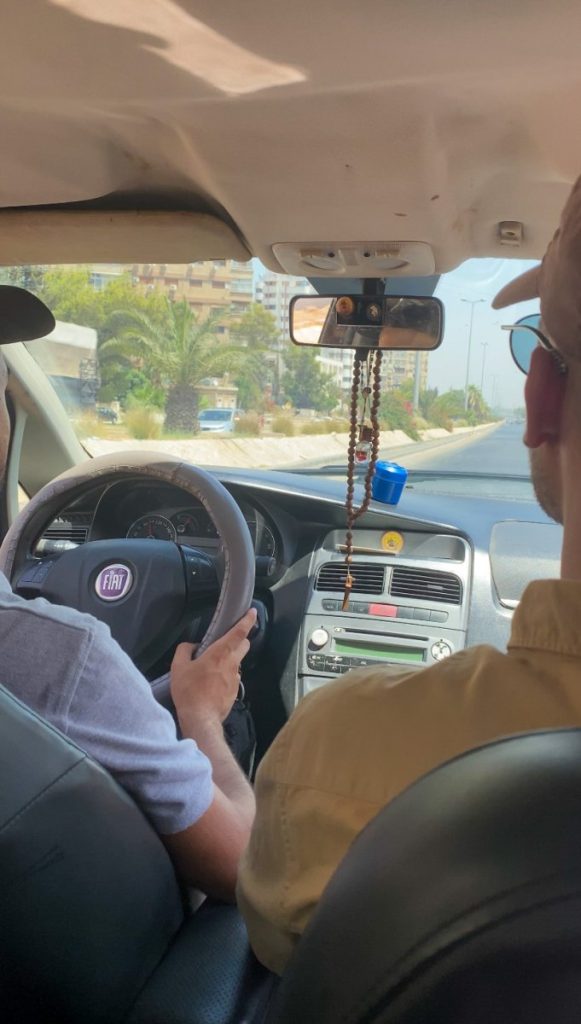
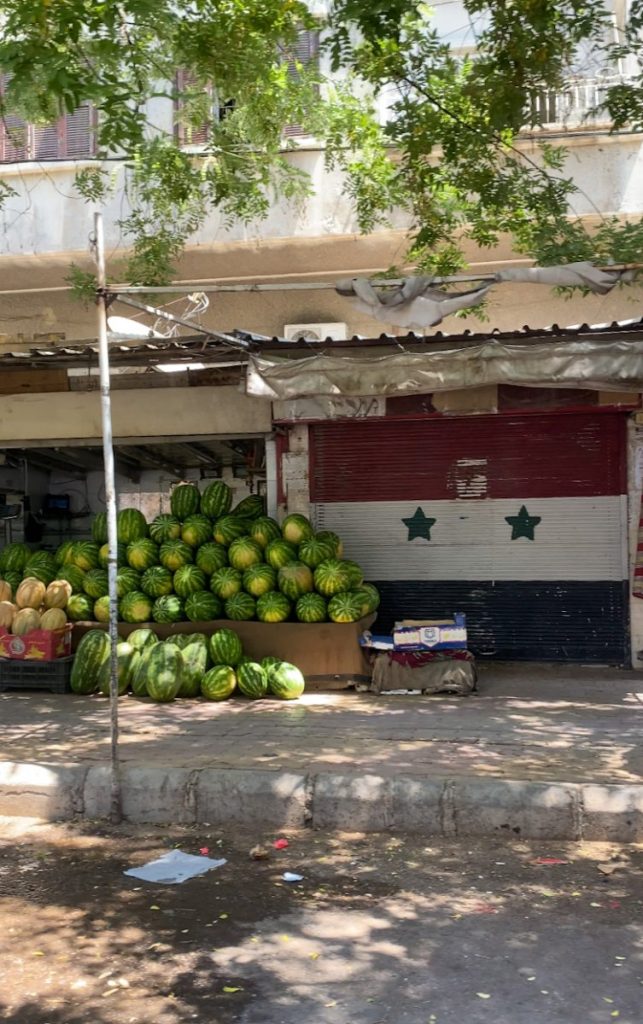
Most European countries have yet to resume direct commercial flights to Damascus. However, we were surprised to find out that on the same day we were arriving, there was indeed a direct flight from Athens. It was a very interesting (and a bit shocking, but in a good way) think to see before boarding on our own flight to Beirut.
The most common way people visit Syria is through Beirut, the capital of Lebanon. Once your flight arrives in Beirut, you’ll be greeted by a driver (arranged by the local tour operator of your choice) who will take you to the Lebanon-Syria border. The trip to the border lasted around one hour and a half, but it can take longer depending on the traffic.
Then, you will pass through customs on both the Lebanese and Syrian sides. This process is easy, and straightforward. You do not have to do anything, your driver will do the talking and take care of the procedure.
Once you pay the visa fee on the Syrian side and your passport gets stamped, another driver will be waiting for you to take you to Damascus. It took around 45 minutes to arrive to the capital of Syria. Again, this whole procedure can take some time, depending on how many people are waiting to enter Syria and the traffic on the road.
Keep in mind as a general rule that this journey can last between 2.5 to 4 hours.
What is the Currency in Syria?
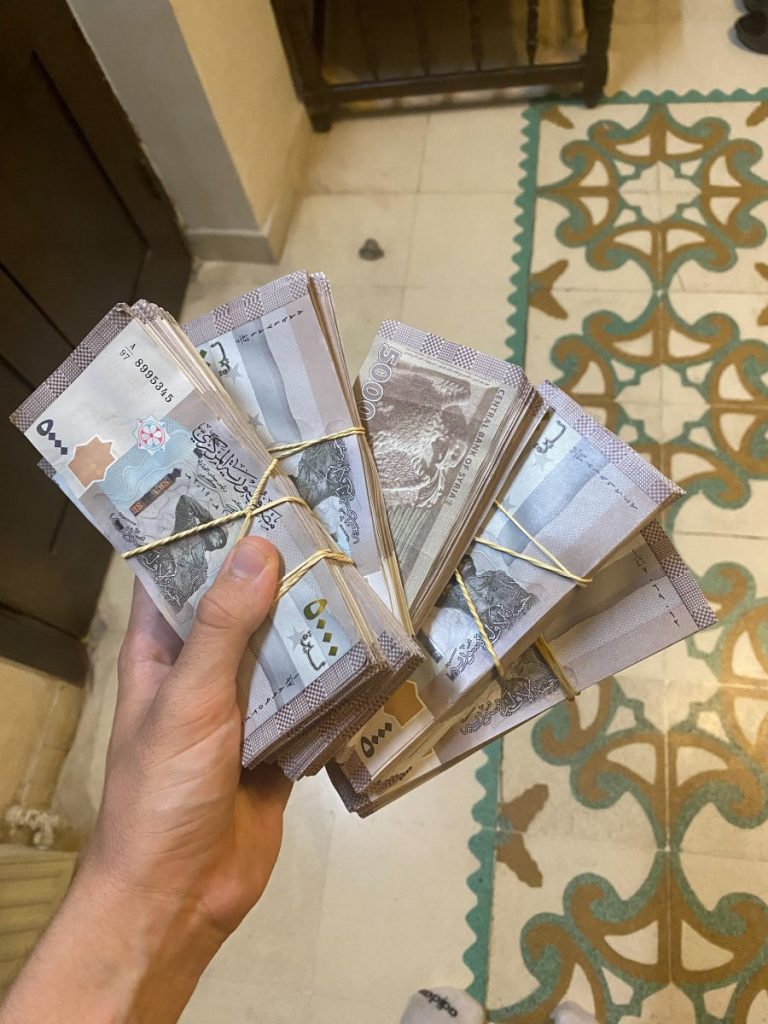
The currency used in Syria is called the Syrian pound (SYP). All transactions inside the country have to be in the local currency. Generally you cannot use USD or Euros when traveling to Syria, but there are some exceptions.
The exchange rate can change very fast, even in a few days. When we traveled in August 2023, the rate was 1 USD= 15.000 Syrian pounds. Since 2026, there are also new banknotes that remove two zeros to make transactions easier.
Keep in mind that Western cards are still not accepted in Syria.
Is Syria Expensive?
Syria is a very affordable country to visit. It is for sure the cheapest country I have been to. A full meal for 3-4 people at a middle-end restaurant will set you back around $15-20 USD in total. A sandwich will cost around $1-2 USD, and a bottle of soda $1 USD maximum.
Small souvenirs like keychains etc. cost around 0.5$ per piece. As you can see, traveling to Syria on a tight budget can be very easy. However, there are more expensive and high-end options if you like luxury and more expensive options.
Is Syrian Food Good?
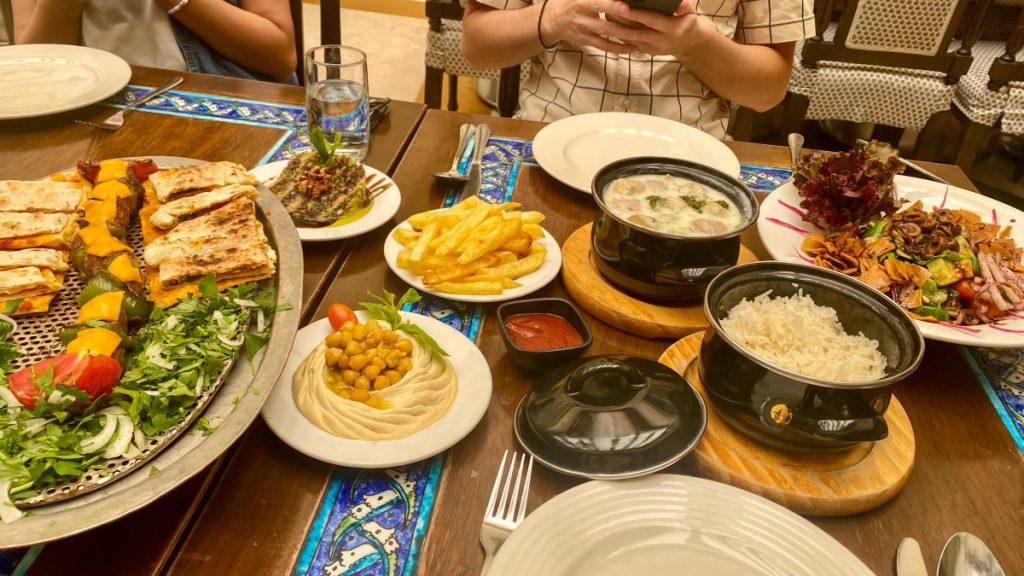
Syrian food is the best one I’ve ever had – Period. Syrian cuisine is similar to Lebanese, a mix of Middle Eastern and Mediterranean influences.
There is a great variety of traditional dishes that you just have to try. Popular meals include shawarma, falafel, and kibbeh, while mezzes like hummus and tabbouleh are common starters. They are made from fresh ingredients like olive oil, herbs, and spices.
It didn’t matter if we were trying street food or restaurant food, everything was always fresh and delicious.
The hygiene standards were surprisingly high as well. Even in street food stalls, those who prepared the food always were wearing gloves.
Can I drink tap water In Syria?
Well, yes, you can. I was very surprised (and I believe that you will be too) to find out that tap water in Syria is drinkable. It comes from natural springs and is completely fine to drink. I would have never expected that, especially after traveling throughout Middle East.
In fact, someone there told us that it is kind of illegal to bottle water and sell it. I am not sure if that is completely true, but that’s what we were told by locals.
13 tips for traveling to Syria
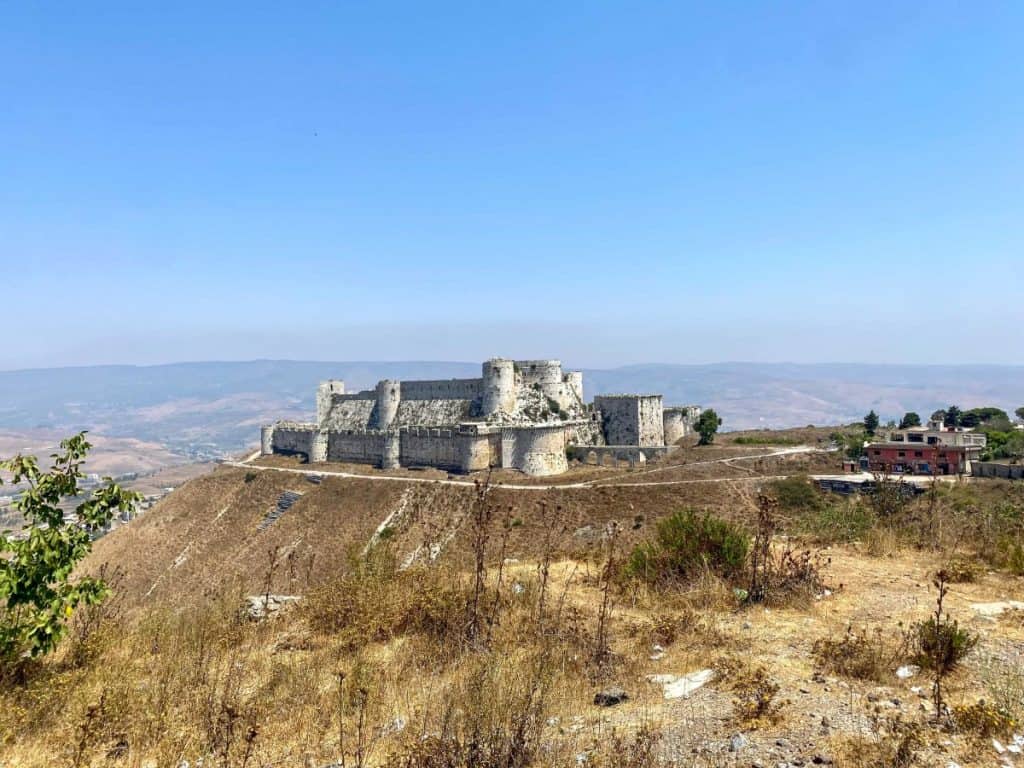
Before I conclude this article, I would like to give some tips that will possibly make it easier for you to organize your trip to Syria. Some of those things I wish I would have known before traveling to Syria. I hope they can be helpful for you, too.
1. Do Your Research: Learn about the places you’d like to visit and their history. Don’t hesitate to read about the toll the war had on them. It is a way of appreciating them. Look around for the right travel agency (Golden Team is still my suggestion), read reviews, and do not be afraid to ask people who’ve done the trip. Making the right decision will help you feel more comfortable.
2. Always Listen To Your Guides: Guides in Syria are by law licensed, well-educated, and know better when it comes to your safety. You should always be respectful to them and accept when they say that something is not possible. Do not challenge them and always remember they want to help you make the most out of your trip.
3. Get Travel Insurance: This should go without saying. Most travel insurance companies, for obvious reasons, do not cover traveling to Syria. We used IATI insurance and I’d highly recommend them. You should also pack a first aid kit with necessary medicine. There is no guarantee that you’ll be able to find what you need in Syria.
4. Bring enough cash: Due to sanctions, Syria’s banking system is not connected to the rest of the world, and the only acceptable currency is the Syrian pound. You will easily find places to exchange USD for Syrian pounds. USD generally has a much better rate than Euros, so if you are from the EU, exchange to USD before arriving in Lebanon. There is no way to get money from abroad, so have cash in USD in case of an emergency.
5. Always remember where you are: You are traveling to Syria, a country still trying to recover from a war. Electricity is not guaranteed. Your hotel will have a generator to save you from the multiple power cuts that happen per day, but only essential devices can be connected. We could not get a SIM card because the power went down. Those things can happen, so be prepared and don’t get mad when difficulties do occur.
6. Get a SIM Card: Internet in Syria is slow and not guaranteed to work when power cuts happen. That’s why a SIM card with data can be life-saving when traveling to Syria. We didn’t manage to get one, but I would surely recommend you try. Ask your guide about the best provider. Cost shouldn’t be a problem, internet in Syria is very affordable.
7. Bring a Power Bank: Generators only provide electricity for the necessary devices during power cuts. This doesn’t always include plugs. That’s why having a power bank when traveling to Syria is a must. My power bank had a capacity of 20,000 maH, which proved to be more than enough for a 6-day trip. I don’t know what I would have done without it.
8. Engage with Locals, but respect their Boundaries: Syrians are very hospitable and eager to approach you and engage in conversations. Some of their stories are sad, scary, and emotional. See what someone is willing to share. Do not put pressure and only ask for what you feel is appropriate. I guarantee you’ll get to know many inspiring people.
9. Don’t take photos of Checkpoints: Generally, when traveling to Syria, you can take photos of everything except military buildings and checkpoints. You should abide by this rule, as you don’t want to get yourself in unnecessary trouble. Of course, you can ask your guide if you are unsure about a place.
10. Spend money, really: This might sound strange, but hear me out. The Syrian economy is a recycling one due to the sanctions. This means that foreign cash is very much needed. Syrians are very proud. It is very possible that they will not accept money, unless you buy something from their business. That’s why you should buy from different stores, restaurants, or street food stands. Syria is very cheap, and there are many cool things to take back home. That’s the best way to help Syrians.
11. Tip: Like every other Middle Eastern country, tipping culture in Syria is deeply rooted. You should always tip when in cafes or restaurants. It doesn’t have to be big and it will always be appreciated. Again, you will be helping workers and their families.
12. Don’t bargain: Unlike other Middle Eastern countries, Syrians do not inflate prices to foreigners. That’s why there will be no need to bargain. Prices will, most of the time, be honest and affordable. Cool, isn’t it?
13. Don’t be afraid, Enjoy: You made a leap of faith when deciding to plan your trip to Syria. Try to overcome fear. The country is beautiful, the people amazing, and the food is fantastic. It’s a trip of a lifetime and you’ll come back with amazing stories to tell. Therefore, make sure to enjoy it.
Final Thoughts
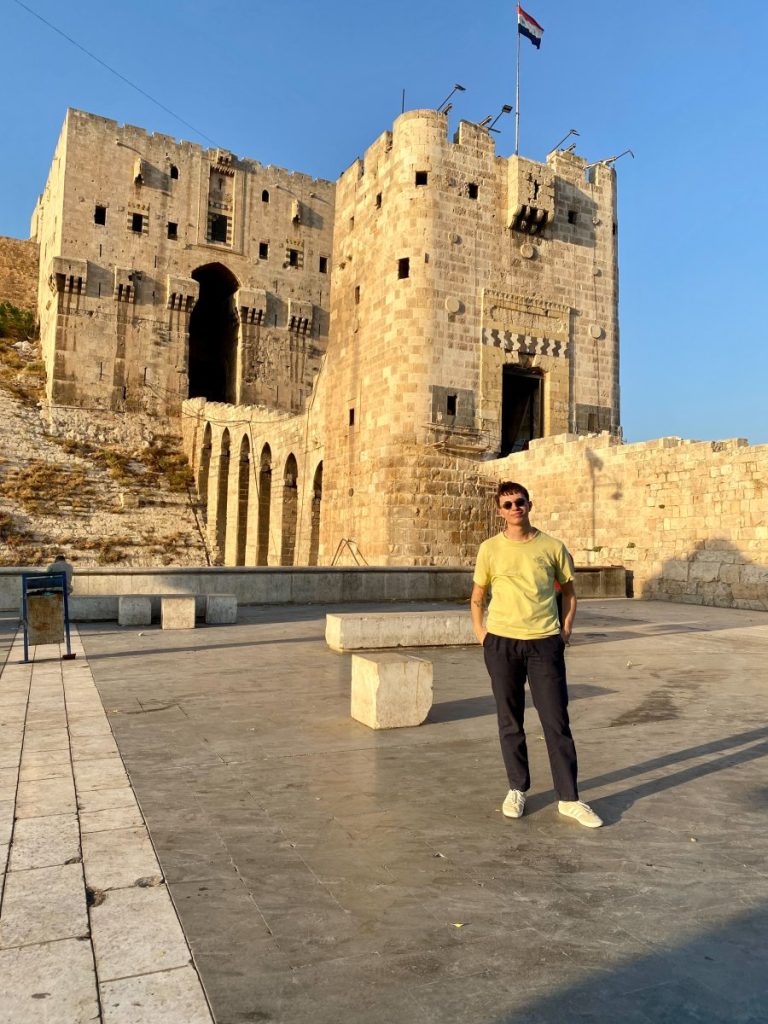
Traveling to Syria right now might sound tricky, but that is not necessarily the case. While the scars of the war can still be present, the country is trying to rebuild itself and leave the past behind. That’s the feeling I got after spending 6 days in this wonderful country.
Tourism can massively help the locals’ quality of life. Those people deserve to see their life coming back to normal; they need to feel trusted and get hope for a better future. Visiting them, helping their businesses, and letting them share their stories with you can be a massive step on this direction.