39 Unique things to do in Athens (from a local!)
Last updated February 2026.
Athens is loud, hot, historic, modern, messy, and completely unapologetic about all of it.
I grew up in the greek capital, and I’ve seen the city through every version of itself – touristy, raw, frustrating, romantic, and deeply real.
And I’ve also watched visitors fall into the same traps over and over. I mean eating in the wrong places, overplanning their days, underestimating the heat, and missing what actually makes this city special.
In this guide, you’ll find a mix of must-see sights (and what to avoid), hidden gems, local habits, tips, and the things that make Athens feel like Athens.
So, if you want ruins, food, coffee, street life, sunsets, neighborhoods, weird little spots, and experiences that locals actually love, you’re in the right place.
Just so you know: Some links on this page are affiliate links, which means I might earn a small commission if you book or buy through them, at no extra cost to you. Thank you for your support!
Tips for first timers visiting Athens – from a local
- Book early: Flight and hotel prices in Athens can rise quickly and unexpectedly. Locals use Skyscanner for flights, Ferryhopper for ferry tickets, and Booking.com for hotels.
- Stay in Syntagma, Koukaki, Plaka or Kolonaki: They aren’t the cheapest neighborhoods, but they sure are central and very safe.
- Buy an e-SIM: Don’t pay the massive costs by greek carriers. Saily offers packages starting from $4.99, and you can get 5% off by using the code NICK5.
- Avoid mid-June to late August: Temperatures in the Summer can easily reach 35-40°C (95-104°F) which can be insufferable. March-May and September-November are much more comfortable.
- Don’t overpack your itinerary: Athens is not a compact city. Leave space for walking, long coffees, and getting lost in neighborhoods.
- Never take a taxi from Athens Airport: You don’t want your trip starting the wrong way. Never use a taxi unless ordered from Freenow or Uber – Check my Athens Airport Guide for all the important information.
- Use the metro: The Athens metro is cheap, safe, and takes you almost anywhere. On Fridays and Saturdays it runs 24 hours.
- Eat where locals eat, not where menus have photos: Busy place, Greeks in line, no person trying to lure you in, smells good – that’s your cue.
- Don’t expect things to run perfectly on time: This is Greece, and things are relaxed. Trains are late, shops close randomly, dinner starts late. Go with it.
- Don’t be scared of “ugly” neighborhoods: Some of the best food, cafés, and bars are in areas that don’t look perfect. Exarchia, Psiri, Gazi – trust the vibe.
- Stay out late: Dinner starts at 9-10pm. Streets get lively after dark. Rooftop bars, late desserts, nighttime walks, this is when the city really becomes alive.
Best Archaeological sites in Athens
Athens is home to countless archaeological sites. In order to help you, I have divided them in 2 categories: The ones that I, as a local, believe that you should pay the ticket and see from inside, and those that can be equally enjoyed from the outside – meaning that you don’t have to pay the ticket to see them.
1. Visit the Underground Catacombs at the Holy Trinity Church
- Address: Fillelinon, Athens, 105 57, Greece
- Ticket: 8€ ($9.27), cash only
I really want this guide to start strong, and this is such a hidden gem, that only a handful of locals know about it.
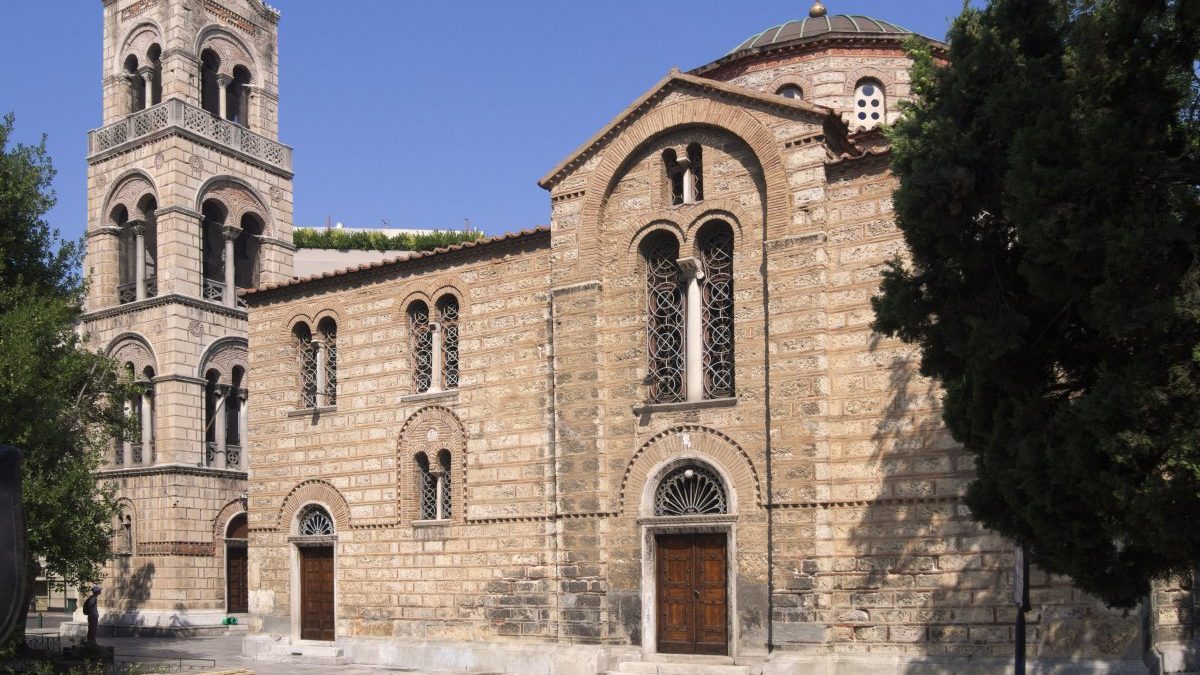
At the very center of Athens, beneath the Church of the Holy Trinity, there are hidden catacombs that most people walk past without ever realizing they exist.
The church itself is beautiful and worth a quick stop on its own. But what makes it truly special is what is underneath. With permission from the priest (Just kindly ask him), you can go down into the underground space.
Inside, you’ll find the remains of an ancient sanctuary dedicated to Apollo. Above that, there are traces of a Roman bath complex, including parts of the hypocaust heating system and sections of christian mosaic flooring.
Over centuries, the underground levels were forgotten, built over, and eventually sealed beneath the 19th-century church that stands there today.
Access is through a trapdoor inside the church, leading down a narrow staircase. The space is small, quiet, and incredibly atmospheric.
If you want to see something in Athens that only a handful of people do, this is your chance.
2. See where Democracy started at the Pnyx Hill
- Address: Pnyx hill, 117 41
- Ticket: Free
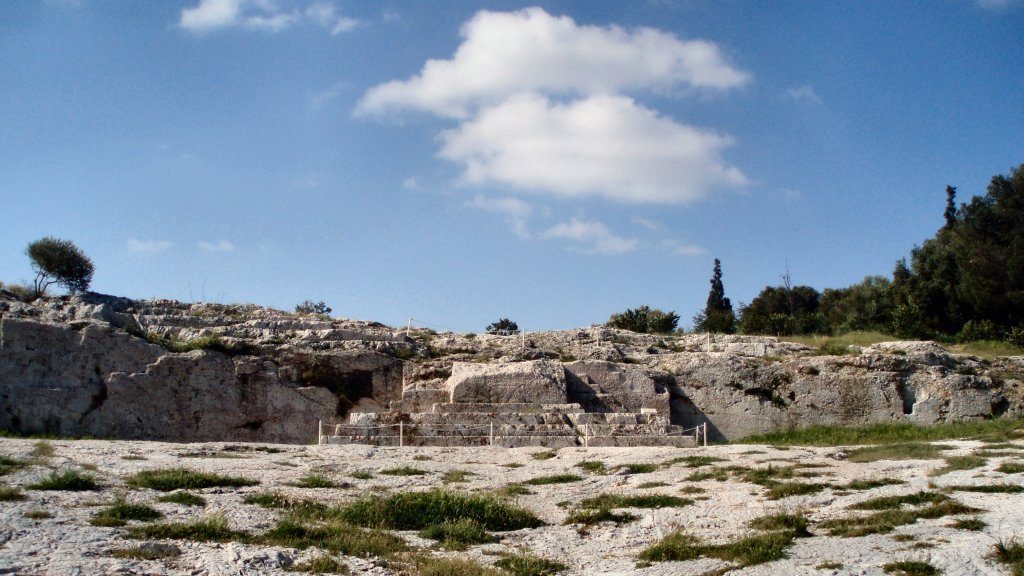
The Pnyx hill is often overlooked by visitors – and locals, if I’m being honest – even though it is right across the Acropolis.
This is where the Athenian Assembly met (an early form of direct democracy), and where citizens gathered to speak, listen, and vote.
You can still see the stone platform where speakers addressed the crowd. It’s a simple space, just rock, open sky, and the idea that voices mattered here (Is 2026 listening?).
There are no other specific things on the site, you can just walk around freely, sit on the rocks, and enjoy the sunset.
3. Visit the Acropolis
- Address: Athens 105 58, Greece
- Ticket: 30€ ($34.73), must be pre-booked.
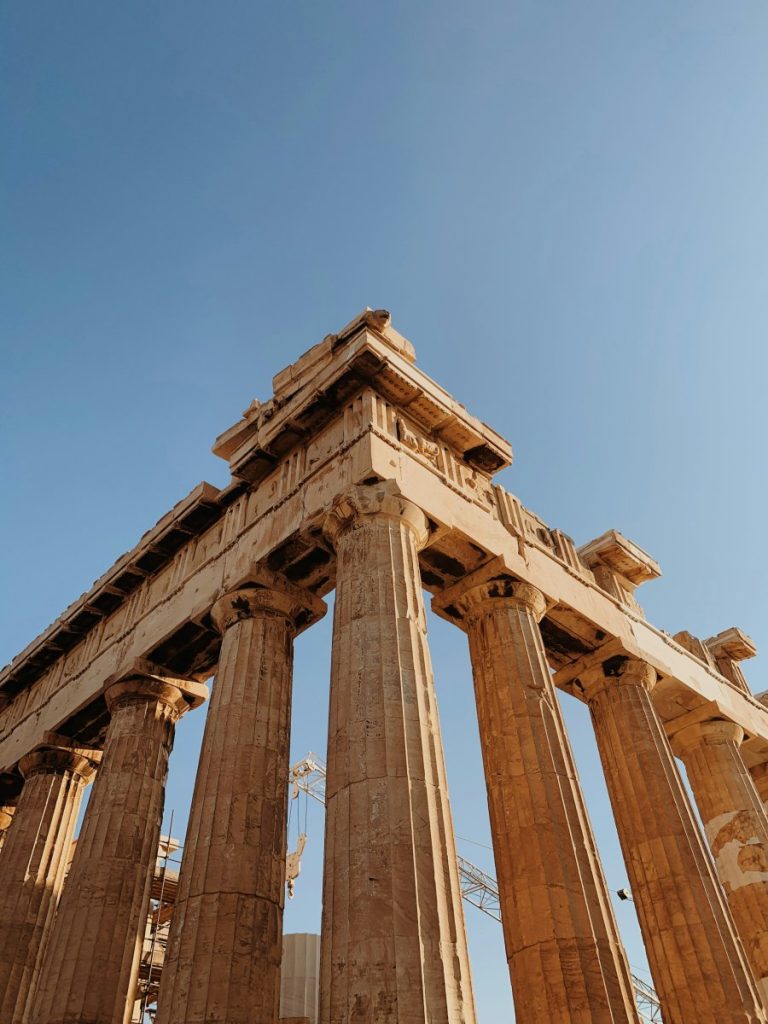
The Acropolis of Athens is the crown jewel of the city. It is what the Eiffel Tower is to Paris or the pyramids are to Cairo.
The visit begins at the Propylaea, the entrance to the sacred hill. Its massive columns are really impressive, even though the structure was never fully completed due to war. Nearby stands the Temple of Athena Nike, a small marble temple dedicated to the goddess.
Further inside is the most recognisable building in the country, the Parthenon. It is the largest temple on the Acropolis, built to honor Athena. Once, a massive gold-and-ivory statue of Athena stood inside, now lost to time.
Close by is the Erechtheion, a temple built to honor multiple gods. Its most interesting part is the Porch of the Caryatids, where six stone women support the roof.
Since 2023, daily entry to the Acropolis is capped at 20,000 visitors, meaning advance ticket purchase is strongly recommended, as on-site tickets are not guaranteed on busy days.
4. Attend a show at the Odeon of Herodes Atticus
- Address: Dionysiou Aeropagitou, Athens 105 55
- Ticket: Free
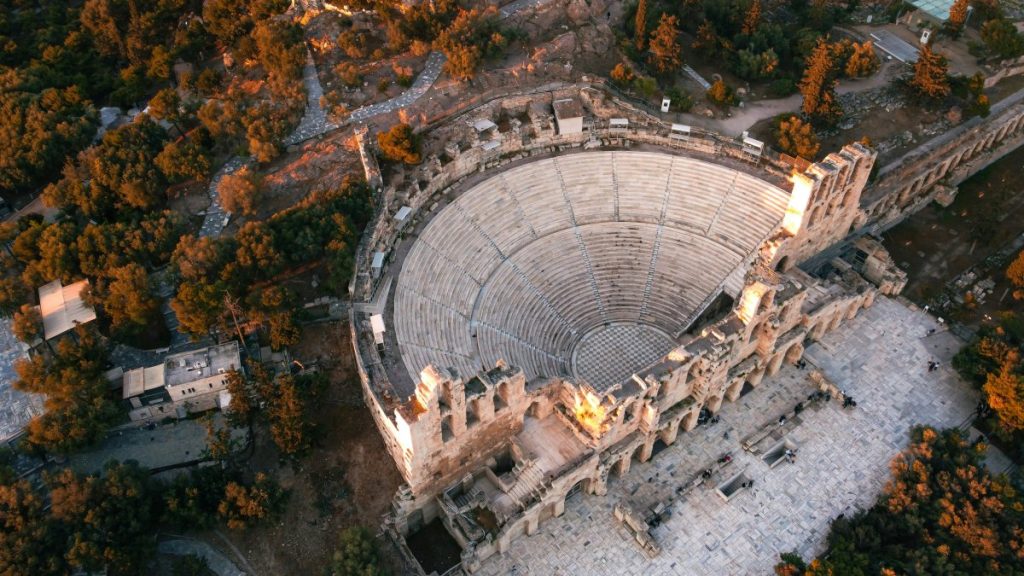
The Odeon of Herodes Atticus completely changes depending on how you visit it. Seeing it from the outside is impressive, but honestly, it becomes special if you manage to attend a performance.
Built in the 2nd century AD by Herodes Atticus in memory of his wife, the Odeon is right below the Acropolis. When there’s a concert or a play, the lighting, the stone, and the background views of the Parthenon create an excellent atmosphere.
A local’s tip: if you’re in Athens during the Athens & Epidaurus Festival and can get tickets, do it. Music, opera, or theater here hit differently. The acoustics are excellent, and the experience is fantastic.
Fun fact: the Odeon gained some modern pop-culture fame when Coldplay filmed part of their “falling in love” video clip here.
5. Visit the Ancient Agora & Hephaisteion
- Address: Athens 105 55
- Ticket: 20€ ($23.16) Must be pre-booked
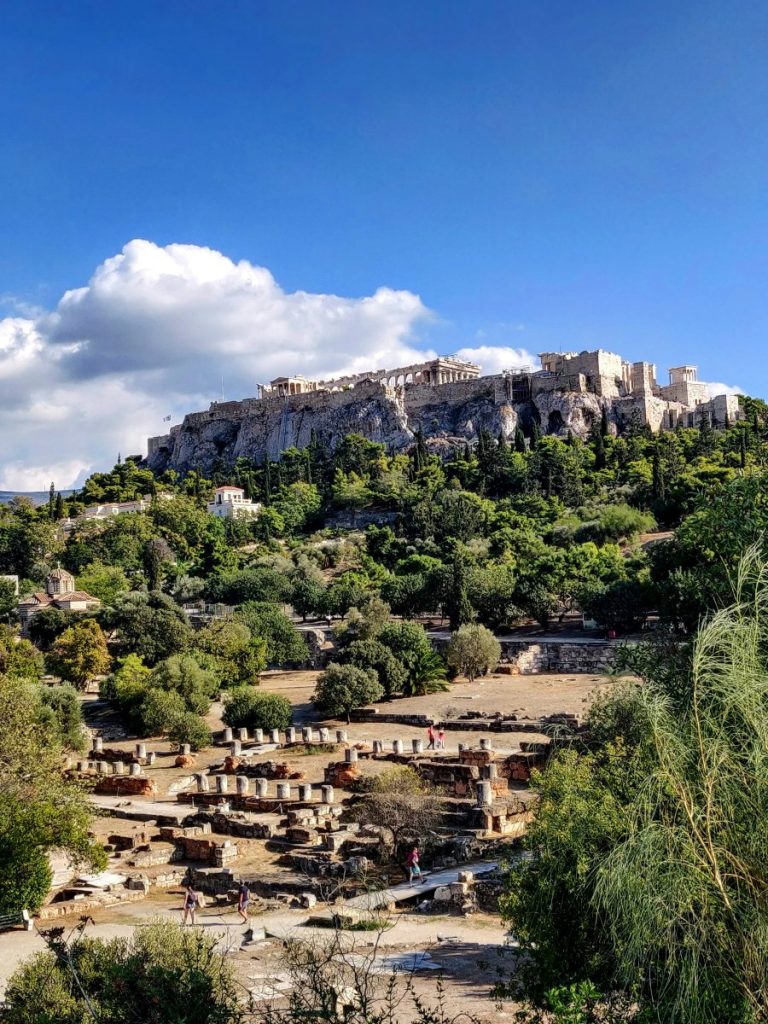
The Ancient Agora was the center of public life in ancient Athens, where citizens came to shop, meet, discuss politics, and listen to philosophers. In ancient times, the area was lively and crowded.
The most important monument inside is the Temple of Hephaestus. Built in the 5th century BC, it is one of the best-preserved ancient Greek temples. It was dedicated to the god of fire and metalworking. The temple is slightly elevated, making it visible from many points in the Agora.
Many of its decorations are still visible and show scenes from Greek mythology, especially the stories of Heracles and Theseus.
While the Acropolis represents the religious part of the city, the Agora shows how ancient Athenians lived, worked, and interacted every day. It gives a picture of ancient Athens as an active city, and that’s why I love it.
6. Feel small at the Temple of Olympian Zeus
- Address: Athens 105 57, Greece
- Ticket: 20€ ($23.16) Must be pre-booked
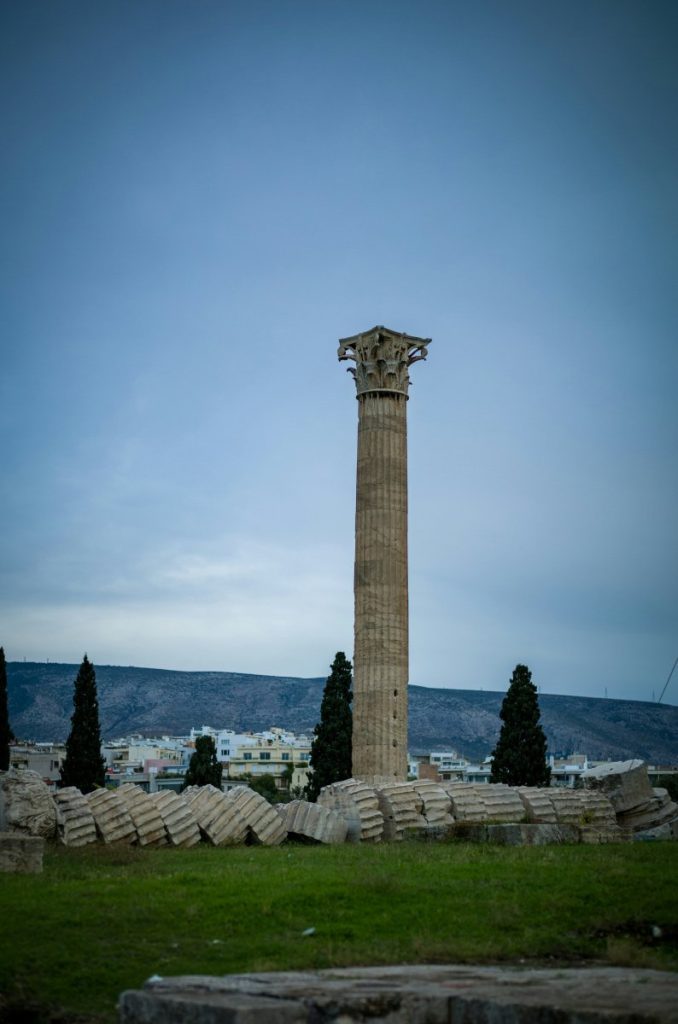
The Temple of Olympian Zeus was dedicated to the king of the gods and was designed to be the largest in ancient Greece.
Construction began in the 6th century BC, but the project was abandoned and restarted many times. It was finally completed in the 2nd century AD by the Roman emperor Hadrian. After all, what a better depiction of Greece other than infrastructure that takes forever to complete?
Originally, the temple had 104 huge columns, each about 17 meters high. Today, only a small number are still standing, but it’s easy to imagine the forest of columns that once filled the space.
There is also one fallen column on the ground, that also helps understand their true size.
While the ticket price is high, the size of the temple makes you really appreciate it. If you combine it with a multi-site ticket, it is well-worth it.
7. Wander around Kerameikos Cemetery

- Address: Ermou 148, Athens 105 53
- Ticket: *Temporarily closed*
If you’re looking for something to do in Athens that is a little different, I recommend visiting the Kerameikos Cemetery.
It’s quiet, spacious, and much more personal than most archaeological sites in the city.
Kerameikos was the main cemetery of ancient Athens. As you walk around, you’ll see ancient graves lined along its streets, as well as the remains of the Dipylon Gate and the Sacred Gate.
What I like about Kerameikos is that it doesn’t have a “must-see” attraction. You can take your time, wander freely, and actually notice details without crowds pushing you along. Many of the grave markers are really emotional, showing people saying goodbye to loved ones.
It’s also a great place to understand a more human side of ancient Athens. It is not about the gods and glory, but rather everyday people, families, and memory.
Archaeological sites to admire from afar (NOT Worth the Ticket)
8. See the Panathenaic Stadium
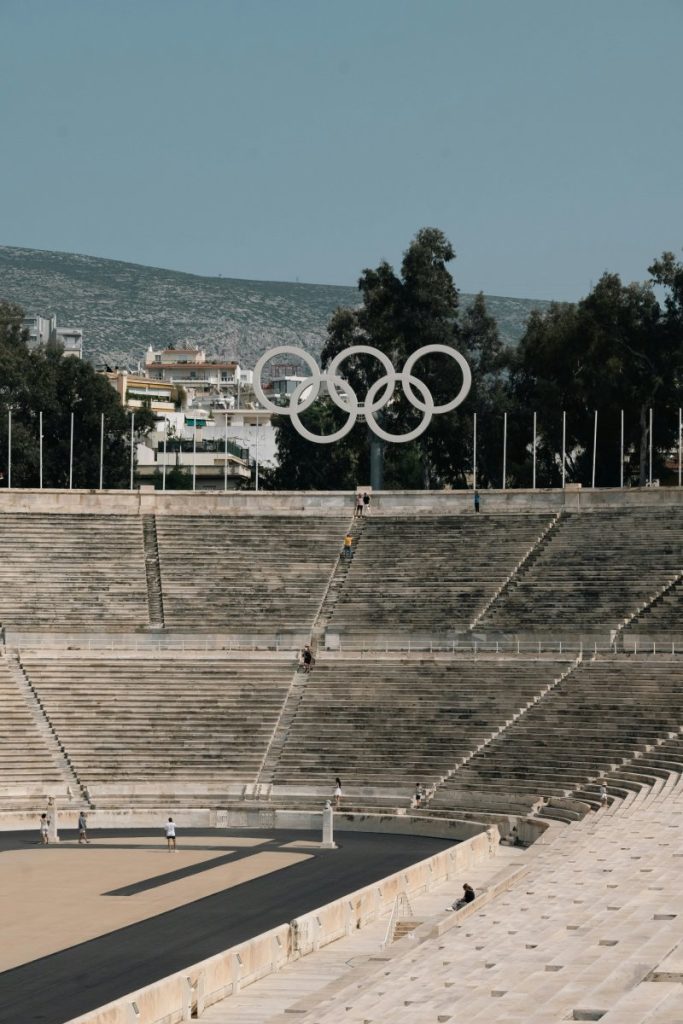
- Address:King Konstantinos avenue, Athens 116 35
- Ticket: 10€ ($11,58)
I will start with a local’s unpopular opinion. It is not worth paying a ticket to visit the Panathenaic stadium. There it is, I said it.
However, that doesn’t mean it is not worth visiting at all, but let me explain.
The Panathenaic Stadium is the only stadium in the world built entirely of marble. It was originally built in ancient times for the Panathenaic Games, athletic competitions held in honor of the goddess Athena.
It was later restored in the 19th century to host the first modern Olympic Games in 1896. The Olympic circles seen today are a recent addition.
It is, indeed, an impressive structure. However, the only things you can do there are walking up the seats and stairs. And if I’m being honest, the views are not really that good. For a 10-euro ($12) ticket price, I believe that it is not justified.
I would recommend you pass from the outside to admire it. Since it is an open stadium, you’ll get a nice peek, without paying an exorbitant ticket price.
If you happen to visit Athens the first weekend of November, you should consider participating in the Athens Marathon events. The stadium becomes the ending point of it, and the atmosphere is celebratory and lovely. If running is not your thing, you can just attend the event as a spectator, entry is free.
The stadium also hosts plenty of concerts, that would also make a visit well worth it.
9. Admire the Roman Agora & Tower of the Winds

- Address: Polygnotou 3, Athens 105 55
- Ticket: 10€ ($11,58) Must be pre-booked
The Roman Agora is definitely impressive, but honestly, I don’t think it’s worth paying for a ticket.
I suggest enjoying it from the outside, especially since the fencing still allows you to see most of the site clearly. If you’re already walking around Plaka or Monastiraki, it’s an easy stop that doesn’t really require going in.
Regarding the site, what really steals the show is the Tower of the Wind, which dates back to the 1st century BC. Each side of the tower represents a different wind, carved as a god in relief, almost like a stone weather forecast.
Fun fact: the Tower of the Winds worked as a weather station, sundial, and water clock all in one. On top of it once stood a bronze statue of Triton that acted as a weather vane, turning with the wind to show its direction. Basically, ancient Athenians had a very stylish public clock and weather app – made of marble.
10. Walk around the Hadrian’s Library

- Address: Polygnotou 3, Athens 105 55
- Ticket: 10€ ($11,58) Must be pre-booked
Hadrian’s Library is, again, not worth going inside. The site is right in the middle of the city and you can already see a lot of it from the outside without paying for a ticket.
The library was built in the 2nd century AD by Emperor Hadrian and once functioned as a large complex with reading rooms and a courtyard. That said, most of what survives today is visible walls and open space, and unless you’re particularly interested in Roman archaeology, the experience inside can feel underwhelming.
So if you’re short on time or traveling on a budget, I’d suggest enjoying Hadrian’s Library from the outside and saving your ticket for sites that offer more to see up close.
Best things to do in Athens for Museum lovers
11. Learn About the Sacred Hill at the Acropolis Museum
- Address: Dionysiou Aeropagitou 15, Athens 117 42
- Tickets: 20€ ($23.16)
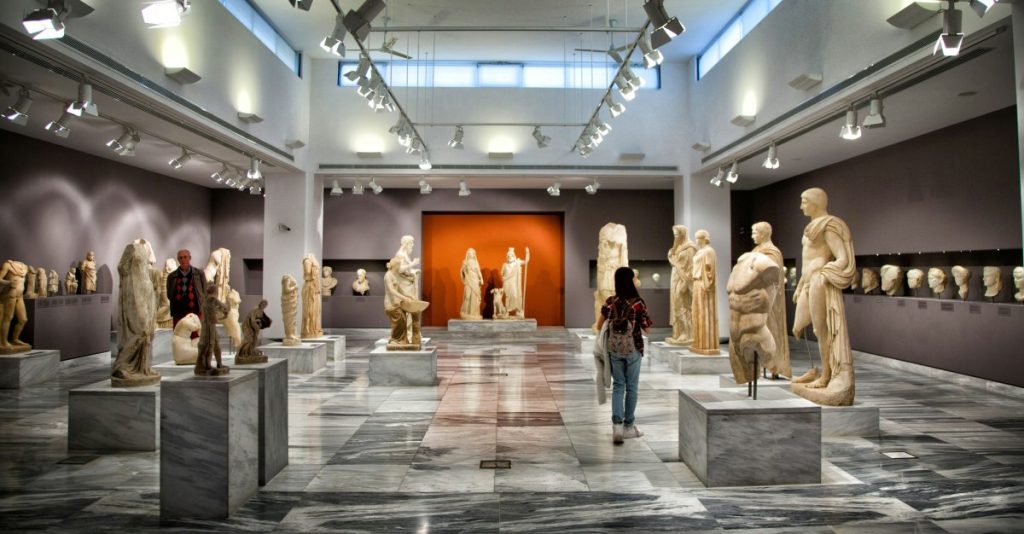
The Acropolis Museum is one of my favorite museums in the world, and I don’t say it just because I am a local.
The building is made of glass, so you can always see the city and the Acropolis itself while walking through the exhibits.
Inside, the museum displays original sculptures, statues, and everyday objects that once were on the Acropolis. One of the most impressive parts is the Parthenon Gallery on the top floor, where the sculptures are arranged in the same order as on the temple.
Walking through this space helps understand the story of the Parthenon much more clearly, and I would recommend visiting it before going to the site itself.
The most emotional part, however, are the caryatids. They are arranged in the same way they were in the site, but you’ll see an empty spot between them. It is the place of the one that is now in the British museum – a powerful detail if you ask me.
Finally, the museum restaurant is a highlight on its own. It has beautiful views of the Acropolis and serves Greek food with a modern touch. Sitting there after visiting the galleries is a really nice thing to do, even though it is pretty expensive for Greek standards.
12. Explore the Athens Museum scene
Well, besides the Acropolis museum, Athens is home to plenty of other museums. In fact, there are so many, that it can feel overwhelming.
Worry not, I have compiled a guide of the best museums to visit apart from the acropolis museum, to make your life easier.
Things to do in Athens’ Central neighborhoods
13. Explore the Island-like Anafiotika Neighborhood

Anafiotika is maybe the most beautiful neighborhood in the center. White houses, narrow paths, blue doors, and flowers everywhere. It honestly feels like you’ve been teleported to a greek island for a few minutes.
You might have already heard that Anafiotika was built in the 19th century by workers from the island of Anafi, who came to Athens to help build King Otto’s palace. What many people don’t know, even locals, is that these houses were actually built illegally overnight.
For years, the Greek state planned to demolish the area, and parts of it were destroyed during the 20th century, but it thankfully survived and was later protected.
Walking around, you’ll also come across two small churches. The first is Agios Georgios tou Vrachou, with beautiful views and a very simple, island-style look. The second is Agios Symeon, quieter and more hidden.
Except for walking around and exploring the cute little houses, I recommend coming here for a coffee or a glass of wine, rather than a full meal. The area is beautiful but very touristy, and prices can rise quickly without necessarily matching the quality.
If you do decide you want food nearby, there are better-value options just outside. Lyra is a great choice for modern Greek dishes with good ingredients, while Scholarchio is a long-standing, classic taverna that you can trust for good food and fair prices.
14. visit the Kolonaki neighborhood

Kolonaki shows a more high, everyday side of Athens. It’s elegant, lively, and very much a place where locals actually spend their time.
This is a great area for coffee culture and people-watching. The streets surrounding Kolonaki Square are full of cafés and wine bars that are busy all day long.
If you get hungry, do me a favor and stop at Oikeio restaurant – it is one of my favorite places in Athens for greek food. You won’t regret it, I promice.
The Benaki Museum and the Museum of Cycladic Art are also right there. Shopping is more boutique-style fashion, books, and design rather than souvenirs.
If you feel like moving a bit, Kolonaki is also a perfect starting point for going up the Lycabettus Hill. Even walking a short way uphill gives you quieter streets and great views.
15. Attend a festival at Gazi
If you want to see Athens at its most alive, social, and fun, you should attend a festival in Gazi. This former industrial neighborhood has become one of the city’s main event spots.
Most major events take place at Technopolis, the old gasworks turned cultural venue. It’s spacious, industrial, and perfect for crowds, food stalls, and music stages.
Three festivals stand out, and they’re among my favorite things to do in the city.
The Athens Street Food Festival is exactly what it promises. Pop-up stalls from all over Athens take over, serving everything from burgers and bao buns to tacos, Asian street food, loaded fries, and desserts. People come with friends, share plates, grab a beer or a cocktail, sit wherever they find space, and stay for hours.
Then there’s the Athens Coffee Festival, which says a lot about how seriously Greeks take their coffee. This festival brings together roasteries, baristas, and coffee professionals from Greece and abroad, but it’s not just for experts.
The best part? With the ticket price you can enjoy as much coffee as you want for free.
Finally, there’s Vegan Life Festival Athens, which is one of the nicest surprises. Even if you’re not vegan, this festival is absolutely worth visiting. It focuses on plant-based food, sustainability, animal rights, and ethical living, but it does so in a very open, welcoming way.
If you happen to be in Athens when one of these festivals is on, go. I have nothing more to say.
16. Find cool things at the Monastiraki Flea Market

Monastiraki is one of those areas you’ll almost definitely pass through in Athens, whether you plan to or not. It’s lively, central, and a bit chaotic.
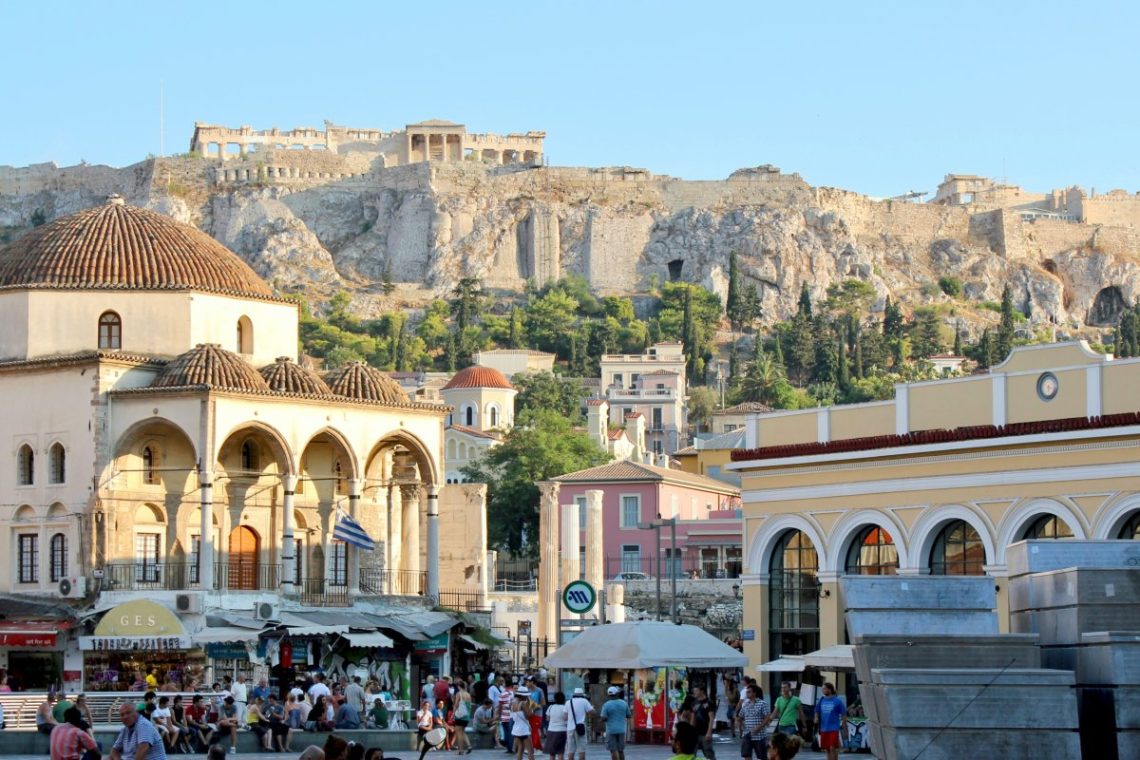
Right on the square stands the Tzistarakis Mosque, which I find quite interesting. It dates back to the Ottoman period and today functions as a museum space. Even if you don’t go inside, it’s worth knowing what it is.
Monastiraki is also known for its flea market, especially along the surrounding streets. You’ll find souvenirs, vintage items, old records, jewelry, and a lot of touristy things. To be honest, it’s not something super special – I wouldn’t come here just for the market – but it can be fun to browse for a bit if you’re already in the area.
Grab a coffee, people-watch, and then move on. Monastiraki is noisy, imperfect, and very Athenian – and that’s kind of the point.
17. Shop Vintage at Exarchia
The alternative neighborhood of Exarcheia is a nice place to do some vintage shopping. There are countless second-hand shops, where I am sure that you’ll find a few gems at low prices. The neighborhood also has plenty of book- and vinyl- stores.
You’ll generally be able to find plenty of good stuff if you wander around a bit. If you do that, do some graffiti spotting as well, since the neighborhood is home to hundreds of them.
Lastly, try some of the many cafés and restaurants around. They tend to be more affordable and have a better vibe than those in other central neighborhoods.
Once there, don’t forget to also try Cookoomela grill, my favorite spot for vegan souvlaki in the entire city – if not country. They only use fresh ingredients, and no processed meat alternatives.
You may have heard stories about political unrest in the neighborhood. While it sometimes happens, it is nothing that you should be afraid of. The local community is really nice and hospitable.
18. Visit the National Gardens and the Greek Parliament in Syntagma

The National Garden of Athens and the Hellenic Parliament work really well together.
The National Garden sits just behind the Parliament and is like a small green escape from Syntagma Square. It’s perfect for a slow walk, a short break, or just sitting on a bench under the trees – especially on warm days.
Right outside the garden is the Parliament building, which used to be the royal palace. Even if you’re not into politics or architecture, it’s worth stopping here, mainly because of the Changing of the Guard at the Tomb of the Unknown Soldier, every day at 11:00. It’s slightly theatrical, a bit strange, and very Greek – and most people enjoy it, even unexpectedly.
19. See the views from Lycabettus

The Lycabettus Hill has the best views in Athens, hands down. If you want to really understand the scale of the city, this is the place.
I’ve been up here many times, and it never gets old. The view changes with the light, and each time is quite different. Sunset there is beautiful. I’d say that it is the place where Athens feels calm, despite how busy it usually is.
You can walk up if you’re feeling energetic, or take the funicular (taken from here, round trip costs 13€-$15) if you want something easier – both are good options.
At the top, there’s the small white chapel of Agios Georgios and plenty of space to just stand, sit, and enjoy.
20. Spot the Church of Panagia Kapnikarea

The Church of Panagia Kapnikarea is one of those spots in Athens that people pass by every day without realizing what it is. It is right in the middle of Ermou Street, the city’s main shopping street, surrounded by stores, crowds, and noise.
The church dates back to the 11th century and is one of the oldest Byzantine churches in Athens. What I love about it is the contrast – fast fashion, shopping bags, and busy footsteps all around, and then this small, stone church standing calmly in the middle, completely out of time.
Unique things to do in Athens
21. Discover the Athens’ Dark tourism scene

You might be surprised to find that Athens has a completely different, darker part. Of course, I am talking about the many dark tourism spots that can be found in the city – a former torture site, a haunted hospital and the cave where a thief used to live.
Worry not, I have compiled the most complete guide of dark tourism spots in Athens.
22. Attend a performance at the National Theatre
- Address: Agiou Konstantinou 22, Athens 104 37
The National Theatre of Greece is one of the best places in the city to experience live performances.
The main building is beautiful on its own, but what really matters is what happens inside. The theatre stages a mix of ancient Greek drama, modern Greek plays, and international works.
I like that it doesn’t feel elitist. It’s serious about art, but it’s also accessible.
If you’re in Athens for a few days and want to do something cultural in the evening that’s not just dinner or drinks, checking what’s on at the National Theatre is a great idea.
23. Learn about space at the Athens Planetarium
- Address: 387 Syggrou Ave, Athens
I’ve been to the Athens Planetarium at the Eugenides Foundation many times since I was a kid, and I still love it.
It’s one of the most advanced planetariums in Europe, with a massive dome and incredible projections. The shows are well-produced, easy to follow, and genuinely impressive.
Watching a show is great at any age and works just as well for locals as for international visitors.
You can learn more through this link.
24. Visit the Stavros Niarchos Foundation Cultural Center

- Address: Syggrou avenue 364
The Stavros Niarchos Foundation Cultural Center works all year round and for pretty much everyone. It’s modern, open, and very easy to enjoy.
People come here to walk, run, cycle, picnic, do yoga, or just sit and relax. There’s always something going on like outdoor events, concerts, seasonal activities.
The National Library of Greece is also housed inside the complex. Doesn’t matter if you’re not planning to read or study, it’s worth stepping inside. The space is beautiful, bright, and the reading rooms are some of the nicest in Athens.
The views from the top of the building are another big plus. You can see the sea on one side and the city on the other. Sunset up there is especially lovely.
25. Take a Photo tour

In Athens, the tricky part isn’t finding photogenic places, the city is full of them. The problem is getting the combination right. You arrive at a great viewpoint, but the light is bad, the background is busy, or you’re not sure how to pose so you look natural.
Then how about a photo tour in Athens? That’s where Picturo can help. They organize some fantastic photo tours it takes the guesswork out by picking locations at the right time of day, leading you to cleaner angles, and giving you a couple of simple pose ideas so the photos feel natural.
Their tours are especially great for couples, but work as well for solo travellers and families.
You can check prices and availability here.
26. See the UNESCO mosaics at the Daphni Monastery
- Address: Iera odos, Chaidari 124 61
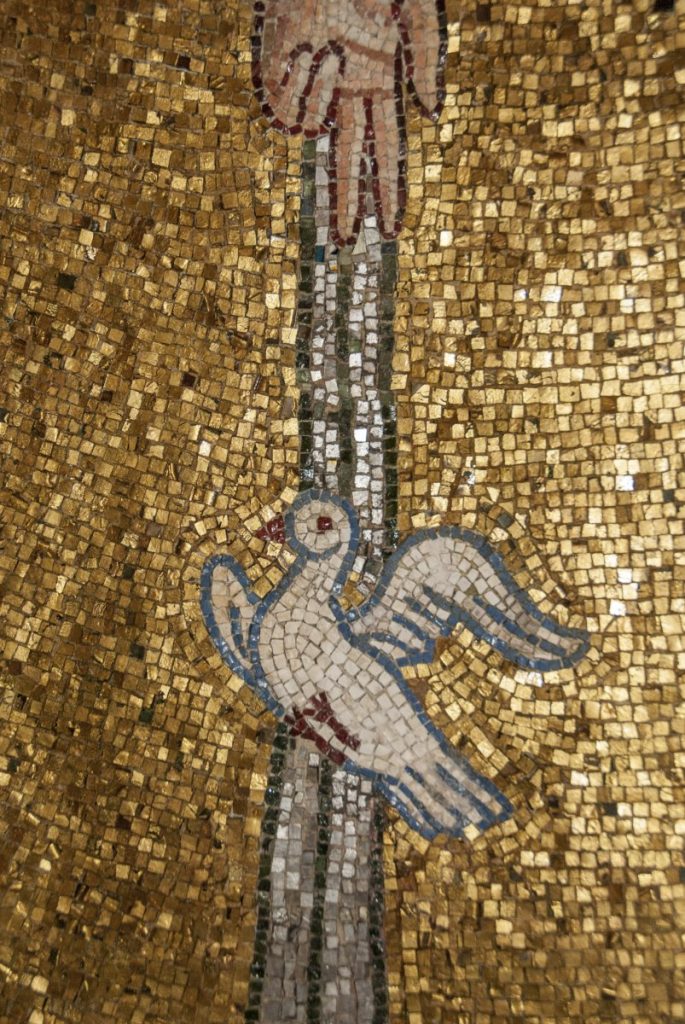
The Daphni Monastery is a spot I would definitely recommend if you are willing to go a little off the obvious path. That’s mainly because it is located far away from the city center.
The monastery is a UNESCO World Heritage Site because of its impressive Byzantine mosaics, which are considered among the finest in Greece. It’s a less known and really interesting thing to do in Athens – if you ask me.
27. Attend a Stand up comedy show

Athens has a lovely and lively stand up comedy scene. It is actually one of my favorite things to do in the city and I’ve been to countless shows myself.
Athens English comedy club regularly hosts shows in English by greek and international Artists.
You can find the available shows in English here.
28. explore the Athenian Escape room scene

I am not sure why, but the concept of escape rooms really caught off here. There are countless of different rooms to choose from, scattered across the city.
Themes range from horror, to adventure and mush more. It is surely one of the most unique things to do in Athens.
You can find a list of the available escape rooms here.
Outdoors Activities to do in Athens
29. Hike the Athenian Mountains
Hiking in the mountains is something people don’t expect from Athens – and then absolutely love once they try it. The city has some surprisingly easy access to nature, fresh air, and amazing views.
The most popular options are Mount Hymettus, Mount Parnitha, and Mount Penteli. Hymettus is closest to the center and perfect for short, casual hikes, especially in the afternoon. Parnitha is greener and cooler, with forest trails, deer, and longer routes. Penteli is quieter and more rugged.
This is not a “must-do” for everyone, but if you enjoy walking, nature, or just want a break from ruins and museums, it’s one of the best things you can do.
It’s free, flexible, and shows you a completely different side of Athens – one that feels calm, open, and surprisingly wild.
30. Swim at the Athenian Riviera

One of Athens’ biggest advantages is that the sea is never far away. The Athenian Riviera stretches along the southern coast, with beaches, beach bars, and swimming spots easily reachable from the city.
It’s not a tropical escape by any means, but it’s clean, convenient, and very much part of Athenian life.
Vouliagmeni is the most scenic and relaxed option. Surrounded by pine trees and clear water, it feels better than other beaches. You’ll find both organized beaches (with sunbeds and entrance fees) and quieter public spots nearby.
Glyfada, on the other hand, is livelier and more urban. Its beaches are long, busy, and paired with cafés, shops, and beach bars that stay active well into the evening. Water is not as good as Vouliagmeni, but It’s a good choice for swimming combined with people-watching, food, and drinks.
If you have an extra day in Athens and want a break from ruins and museums, the Riviera is an easy win.
Best things to do in Athens for foodies
31. Make delicious food at a Traditional cooking class

Do you want to get hands-on with Greek food and learn how to cook real local dishes? Then how about trying a traditional cooking class?
You’ll get the chance to prepare traditional dishes from scratch, enjoy them together, and learn a bit about Greek ingredients and traditions along the way.
SOYBIRD offers some fantastic cooking classes (favorites among locals as well) where you cook a variety of dishes together – wine or drinks included, and then enjoy a shared meal at the end.
32. Try souvlaki & gyros

You can’t say you’ve really eaten in Athens if you haven’t had souvlaki or gyros – preferably standing on the street, paper wrapping in hand, grease included.
This is everyday food, and Athenians take it seriously. Souvlaki means grilled meat wrapped in pita, while gyros is shaved meat (or a vegetarian alternative) roasted on a vertical spit, sliced and put into bread with tomato, onion, fries, and tzatziki.
Prices are still relatively low by European standards (I still remember the days it used to cost 1.8€), and quality can be excellent even in the most unassuming places. Don’t overthink it: busy spot, locals in line, smells good – that’s your cue.
Eat it hot, eat it fast, and don’t expect it to be tidy.
33. Learn about Greek Wine Tradition
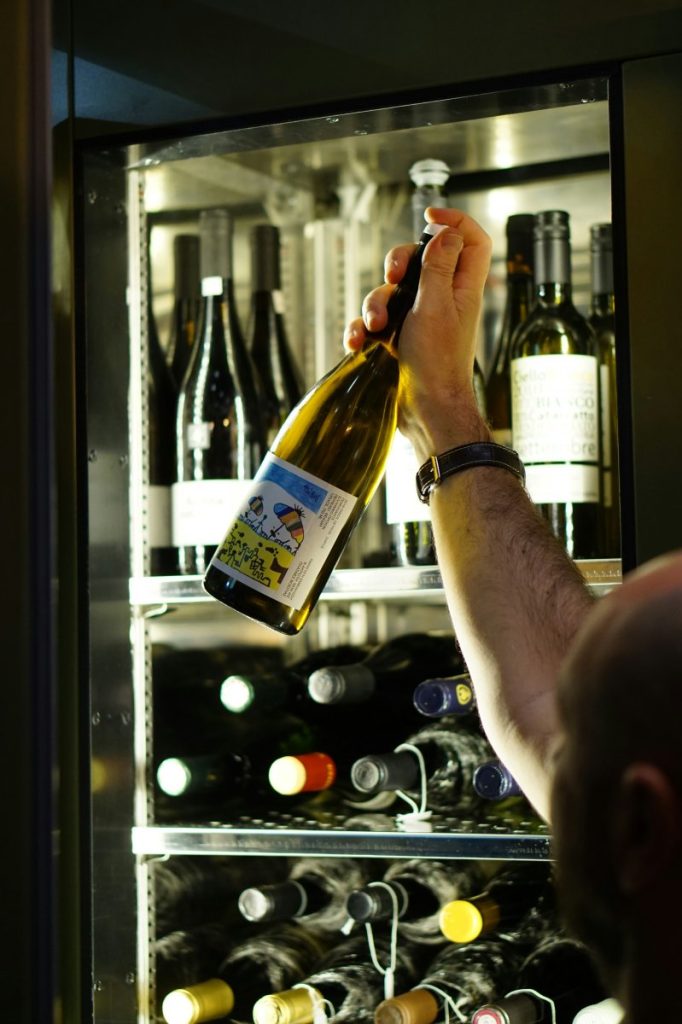
If you love wine (and who doesn’t?), wine tasting is a fantastic thing to do in Athens. Greeks really take pride in their wine.
If you don’t know where to start – let me recommend this guided tour.
You’ll taste a selection of five Greek wines while learning how to evaluate its quality. The tasting also includes a variety of local cheeses from different regions of Greece, olives, and homemade bread rusks.
The best part? This experience takes place right beneath the Acropolis.
If you don’t feel like wine tasting, don’t worry, I still have a suggestion. Drunky goat is one of my favorite wine bars in the city. Their wine quality is excellent – and let’s not underestimate their food.
34. Enjoy Loukoumades

Loukoumades are Greece’s answer to doughnuts – small, round, crispy on the outside and soft on the inside, served hot and meant to be eaten immediately.
Traditionally, they’re drenched in honey and sprinkled with cinnamon. Today, you’ll also find modern versions topped with chocolate, pistachio cream, ice cream, or fruit, especially in places that specialize only in loukoumades.
I’d recommend Stani for a traditional version, while LUKUMAΔΕΣ for a more modern twist.
Some are great, some are overdone, but even the classic version still holds its own. If it’s your first time, start traditional – honey tells you everything you need to know.
Loukoumades are best shared, ordered after dinner, or grabbed late at night. They’re messy, sticky, and impossible to eat politely.
35. Discover the Athenian Street Food Scene

There are only a few European capitals that can compete with the Athenian street food scene. And honestly, this is one of the things I love most about the city I grew up in.
However, I am completely aware that time in the city might not allow you to try everything.
This guided street food tour has all you need – Delicious tastings, great variety, and a perfect way to get to know the city through its food.
This kind of tour is perfect if you want to combine sightseeing and eating: you’ll walk through central neighborhoods, get little stories about Athens along the way, and discover great bites you might have otherwise missed.
36 Slowly drink Freddo – Greece’s National coffee
Freddo espresso is a Greek habit. Strong espresso, shaken with ice until chilled and lightly foamy, served cold and drunk slowly. It’s clean, bitter, refreshing, and very much a part of everyday life in Athens, no matter the season.
Its history is surprisingly recent. Freddo espresso became popular in Greece in the early 2000s, when younger coffee drinkers started moving away from instant coffee (the classic frappé) and toward espresso-based drinks.
Greeks adapted espresso to the climate and lifestyle, keeping it cold but preserving its intensity. The result was freddo espresso.
Today, you’ll see people carrying one everywhere, from early morning to late afternoon. It’s not meant to be rushed, and it’s definitely not meant to be overly sweet.
37. Have a Varvakios Central Market tour

- Address: Νο68 Varvakeios market,Athens
Varvakios Central Market is Athens at its most raw and real. Open since the late 19th century, it has been feeding the city for generations and still functions first and foremost as a working market.
Inside, you’ll find butchers shouting prices, fishmongers proudly displaying the morning catch, spice sellers, nuts, cheeses, and the kind of noise and movement that makes it feel very alive.
This is where people come to shop for serious cooking, especially before holidays. The meat and fish halls are intense, crowded, and not particularly gentle on the senses.
It’s honest, chaotic, and completely unfiltered. It’s not pretty, but authentic.
38. Try Greek nuts and Butters
I am gonna be honest. The city center is full of overpriced souvenirs, especially when it comes to delicatessen and food. However, I have a little gem for you.
1001 Nuts is where I always return to get my nuts. They offer an abundance of greek-produced nuts at good prices. They also make butters on the spot, even without sugar, to make sure that you get the freshest product available.
If you pay a visit to the store, get their 100% pistachio butter, it is my absolute favorite.
Things to do in Athens at Night
39. Explore the Psiri nightlife
Psiri is one of the best places in Athens to go out without a plan. loud, a little chaotic, and full of places to eat and drink.
The neighborhood comes alive after dark, with live music, people drifting from bar to bar, and nights that tend to run later than intended.
For food, start at Atlantikos, a very local spot for seafood. It’s loud, packed, and unapologetically old-school. In fact, the owner shops the fish every day from a local market with her children.
If you’re in the mood for something simpler, Crust is a solid stop for pizza, often with live music and events.
For dessert, Serbetospito is a classic – syrupy sweets, late hours, and zero subtlety.
For drinks, Psiri delivers. Juan Rodriguez Bar is a favorite for well-made cocktails and a relaxed, mixed crowd, while Barret is more casual and social, perfect for starting, or ending the night.
And when drinking turns into hunger (as it inevitably does), finish at the “Karotsi tou Giatrou” Cantine for massive, unapologetic sandwiches that feel specifically designed for after midnight.
Where to Stay in Athens
Before I start, here’s a recommendation from a local: avoid booking AirBnBs in Athens.
This isn’t about the quality of the apartments or the service, but about the bigger impact on the city. The unregulated and excessive conversion of residential apartments into short-term rentals has contributed to a housing shortage, driving up rents and making life increasingly difficult for locals.
Athens, much like Barcelona, has seen extreme rent hikes over the past few years.
For this reason, I’d strongly encourage booking hotels in Athens instead, both as a more reliable option and a more ethical choice that supports the city’s residents.
1. Budget-Friendly Choices
- Phaedra Hotel: A simple, budget-friendly hotel in Plaka, just a short walk from the Acropolis and major archaeological sites – ideal for sightseeing. Excellent location and good value.
- Kimon Hotel Athens: A simple, well-located budget hotel in Plaka, ideal to explore Athens on foot. Clean, functional rooms, and a small rooftop terrace with Acropolis views.
2. Middle-Range Hotels
- COCO‑MAT Athens Jumelle: A stylish boutique hotel in the Kolonaki neighborhood, in a restored 1925 neoclassical mansion. Beds have eco-friendly COCO‑MAT mattresses (loved them) and minimalist interiors. Ideal for comfort, sustainability, and excellent location.
- NEW Hotel Athens: A stylish, design-focused hotel located steps from Syntagma Square. 79 rooms and suites with modern décor, and common areas with artistic interiors.
- Titania Hotel Athens: A centrally located 4‑star hotel between Syntagma and Omonia Squares. There is also a rooftop Restaurant, with views of the Acropolis and the city.
3. Top / Boutique & Luxury Picks
- Elektra Palace Athens: A nice pick if you want comfort plus history: located close to Plaka, with good amenities and easy access to many of the city’s main sites.
- The Dolli: Located in a historic building with stylish design in the Monastiraki area. It has rooftop views of the Acropolis and a rooftop restaurant. A great choice if you want history, elegance and a bit of romance.
FAQs about Visiting Athens
1. Is Athens worth visiting?
Yes, Athens is absolutely worth visiting. However, it is a big city and it is very easy to fall into tourist traps. Stick on what you learned from this guide and you’ll be fine!
2. Is Athens safe to visit?
Yes, Athens is a safe city to visit.
Safety standards have improved noticeably over the past few years, with better street lighting, a stronger police presence, and additional measures taken by the Municipality to make public spaces feel more secure.
Like any large European capital, it has its rougher edges, but it’s a city where you can feel comfortable moving around.
There are a few central neighborhoods that have historically had a worse reputation at night, such as Omonoia and Metaxourgio. That doesn’t mean they’re inherently dangerous, but lighting can be poorer and petty theft is more common than in other areas. I wouldn’t choose to walk through them late at night if I didn’t need to, but I also wouldn’t feel unsafe if I had to pass through.
Stick to well-lit streets, avoid empty alleys, and stay where there are other people around, and you’ll be fine.
3. Do I need Travel insurance for Athens?
It is not mandatory, but I highly recommend it – I personally use SafetyWing’s Nomad Insurance when I travel.
The Greek healthcare system is of good quality. As a local, and a medical doctor myself, I would actually trust the public healthcare system more than the private one, especially in emergency situations. Public hospitals are well equipped to handle serious cases, and the medical staff is experienced.
Greece doesn’t have a traditional GP or gatekeeper system, so you can go directly to a hospital’s emergency department if an emergency occurs. There’s no need for a referral. You can call either 166 or 112 to request an ambulance or receive emergency assistance; both numbers work reliably nationwide.
As in many other countries, you should be prepared for long waiting times, particularly for non-life-threatening issues. While this can be frustrating, it’s a normal part of how the system operates and doesn’t reflect the quality of care you’ll receive.
In case of an emergency, you can find which hospitals and clinics are on duty through this link.
4. Is Athens Expensive?
No, Athens is not an expensive city to travel to, but it’s not affordable either.
Compared to other European capitals, it sits somewhere in the middle. You can visit Athens on a reasonable budget, but prices, especially in central and tourist-heavy areas, are no longer as low as they used to be ten years ago.
Accommodation will almost certainly be your biggest expense while in Athens. Hotel prices have risen noticeably in recent years, particularly during spring and summer. Budget options do exist, but they book up quickly in high season.
A takeaway coffee usually costs around €2 ($2.20), while sitting down at a café will cost €4-5 ($4.30-5.40). This price difference is mainly due to the higher VAT applied to seated service.
Eating out, while not cheap, remains more affordable than in many other European countries. A gyros costs around €3.50 ($3.80), which still feels expensive if, like me, you remember when it cost €1.80. In an average restaurant, you should expect to pay €6-7 ($6.50-7.60) for a starter and €11-15 ($12-16) for a main dish. Restaurants outside the city center tend to be better value than trendier or highly touristic ones.
Drinks can be slightly more expensive than you might expect. A bottle of beer usually costs €5-6 ($5.40-6.50), a glass of wine around €7 ($7.60), and cocktails or other mixed drinks typically range between €11-13 ($12-14), especially in central areas or rooftop bars.
5. Can you walk around Athens?
Athens is a massive city, home to more than 3 million people, so it’s impossible to explore the entire city on foot.
That said, most of the main historical sites and attractions are concentrated in the city center, making walking a great option if you plan to stay in areas like Plaka, Monastiraki, Syntagma, or the Acropolis neighborhood.
6. Do I need a tour guide for Athens?
No, not necessarily. Take a guided tour to the sites only if your time in the city is limited.
If you do decide to take a tour, I recommend this one.
Final Thoughts
Athens is by no means a perfect city. It’s noisy, sometimes frustrating, and deeply lovable if you let it be what it is. And I think that that is my relationship with it.
If you slow down, eat well, walk a lot, stay out late, and don’t take things too seriously, you’ll get it. And once you do, Athens has a way of sticking with you.
This guide won’t show you everything, but it will show you the real version of the city I grew up in. And for me, that’s the only version worth visiting.