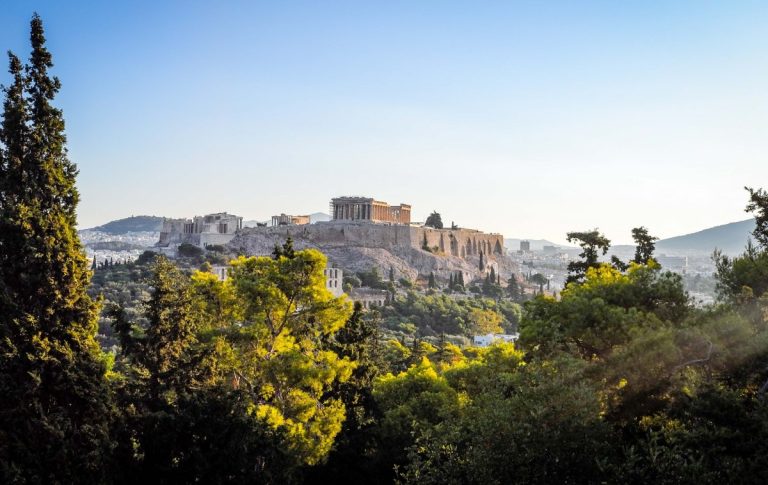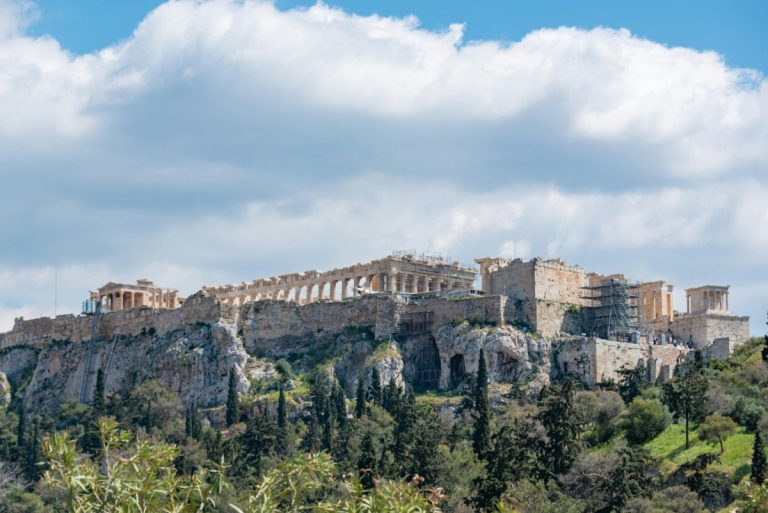
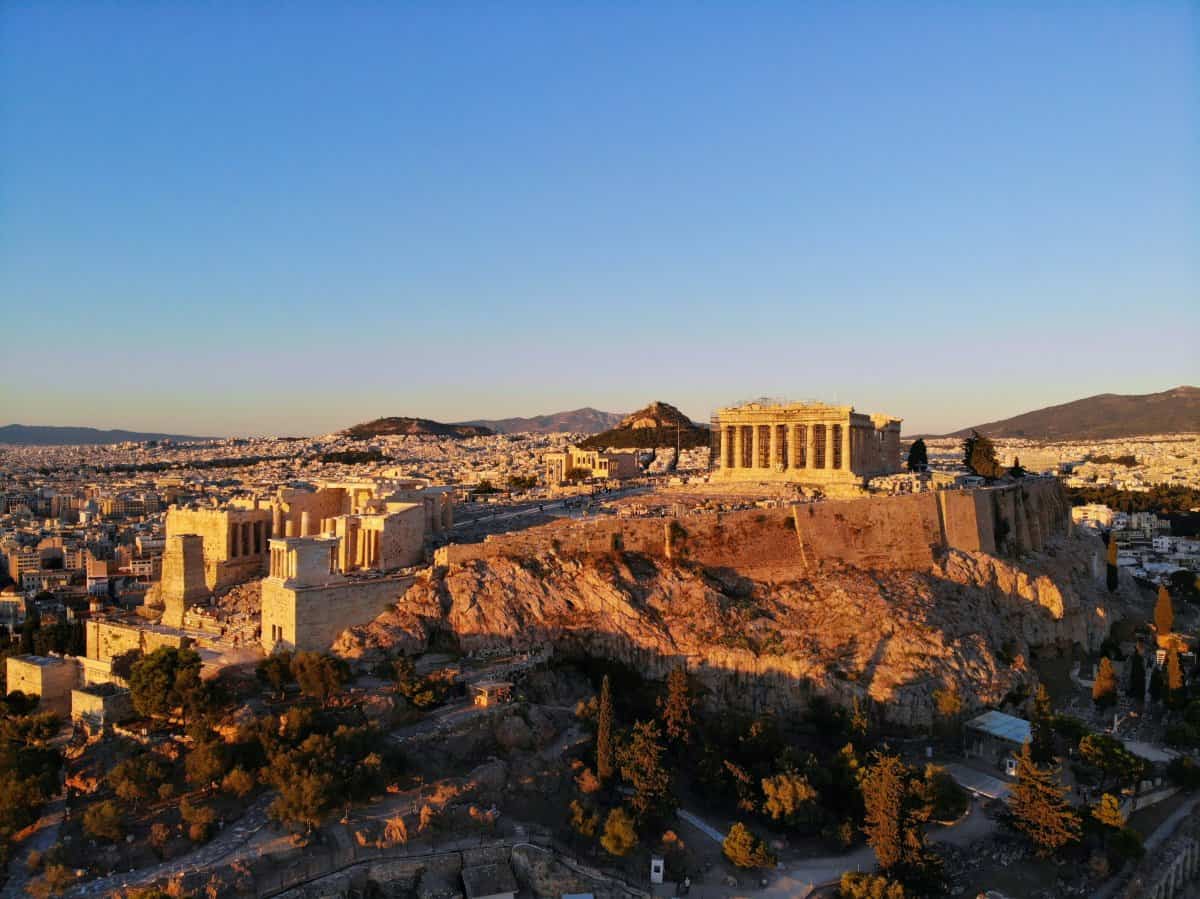
3 Days in Athens: A Local Plan That Actually Works
Athens can easily feel overwhelming on a first trip.
There are ancient ruins, museum choices, walkable neighbourhoods, rooftop viewpoints, and far more restaurants than you can realistically fit into one visit.
The key is pacing.
Visit the Acropolis early before the heat and crowds build, save afternoons for wandering through the historic centre, viewpoints, food, and drinks, and avoid cramming every ruin or museum into one schedule.
This 3 day Athens itinerary is designed for first-time visitors who want to see the essential sights without rushing through the city.
Just so you know: Some links on this page are affiliate links, which means I might earn a small commission if you book or buy through them, at no extra cost to you. Thank you for your support!
Free Athens Itinerary Map
Download my free Google Map with every stop in this itinerary pinned by day, including restaurants, museums, sunset viewpoints, and neighborhoods so you can navigate Athens without searching each location manually.
Athens Itinerary at a Glance
- Day 1: Acropolis, Acropolis Museum or Ancient Agora, Plaka, Anafiotika, sunset viewpoint
- Day 2: National Gallery, Kolonaki, Syntagma, National Garden, Monastiraki, Psyrri
- Day 3: Museum morning, local neighbourhood lunch, flexible final afternoon and evening
Only have one full day? Skip ahead to my detailed One Day Athens Itinerary, which focuses on the Acropolis, Plaka, and the main historic center highlights.
Is 3 Days Enough in Athens?
Yes, 3 days is enough for Athens if you focus on the major sights, keep your mornings structured, and leave afternoons more flexible.
With three days, you can visit the Acropolis, explore Plaka and Anafiotika, see one or two museums, enjoy sunset viewpoints, and spend time in local neighbourhoods without rushing.
Day 1: Acropolis, Plaka, Anafiotika and Sunset Views
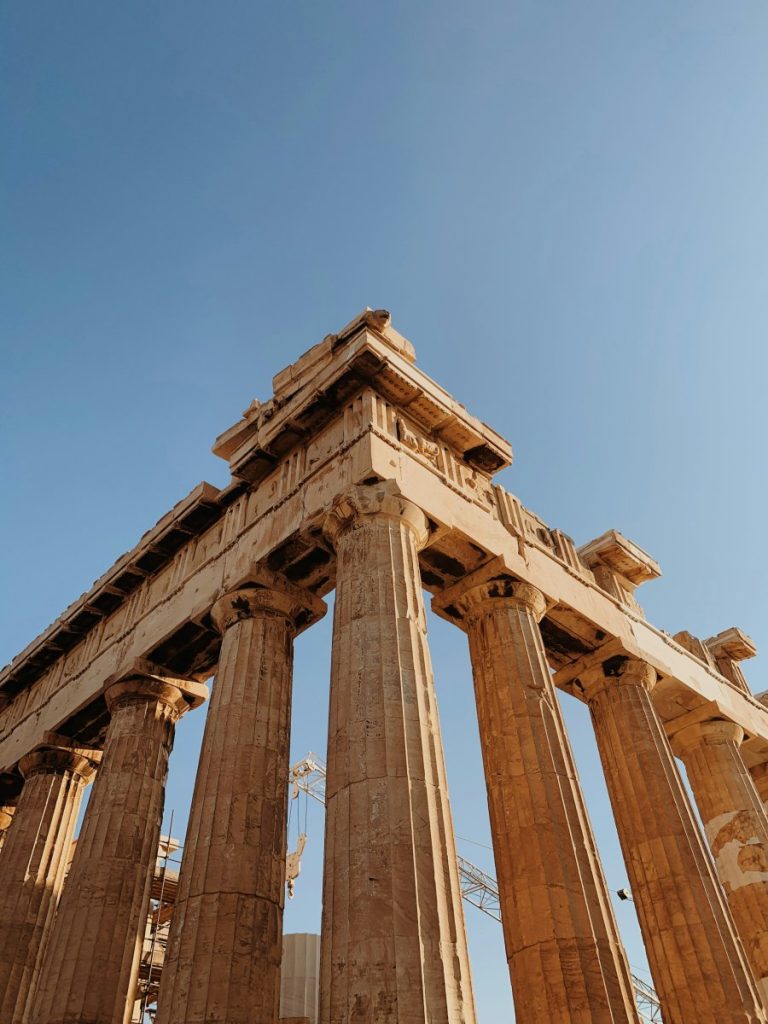
Your first day should focus on Athens’ historic centre.
This keeps the big archaeological sights together, minimizes transport time, and gives you a strong feel for the city immediately. Expect moderate uphill walking today.
Morning: Acropolis
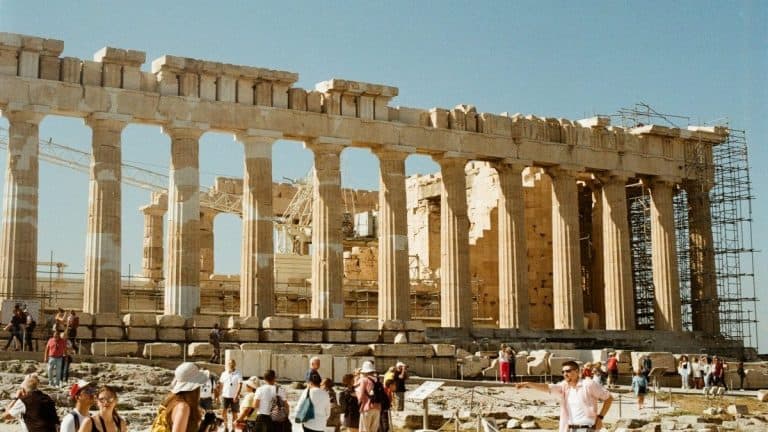
The Acropolis is probably the only starting point that makes sense for a first morning in Athens.
If you take only one piece of advice from this itinerary, make it this: go early, especially if you’re visiting from April to September.
The Acropolis is beautiful all year round, but heat and crowds can make it very unpleasant if you arrive after 10:00.
I’d also recommend entering from the main entrance.
That way, once you finish, you can come back down the slopes and naturally continue toward Dionysiou Areopagitou, which is exactly where the rest of the day flows.
In winter, crowds are more manageable, but I’d still recommend going early.
In high season, book your Acropolis slot ahead so you don’t waste your morning.
Plan 1.5-2 hours for a slow visit, bring water, wear comfortable shoes with grip, and walk carefully because the stones can get slippery.
Late Morning: Ancient Agora or a Museum Break
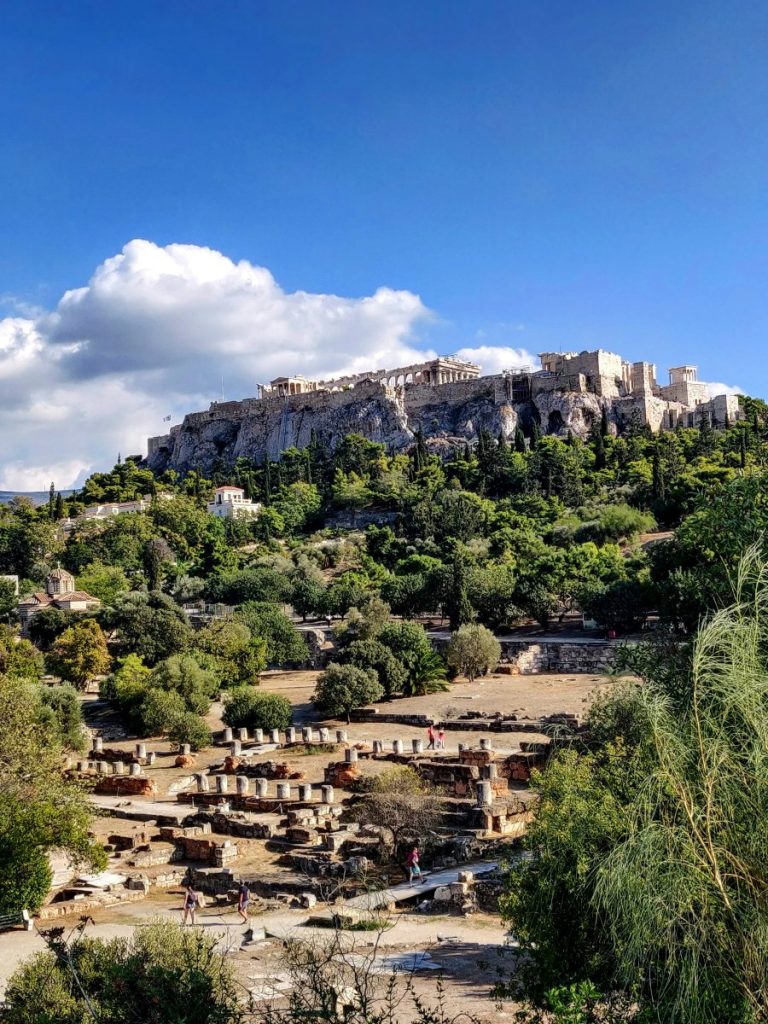
After the Acropolis, this is the best point to choose between one indoor museum stop or one more archaeological site depending on your energy level and the weather.
I’d choose one of two options here.
- Option A – The Acropolis Museum: Choose this if you want historical context, artifacts from the Acropolis, and a cooler indoor reset after climbing the hill. It is one of the best museums in Athens and sits directly below the archaeological site, so it fits naturally into the route.
- Option B – The Ancient Agora: Choose this if you would rather continue outdoors. The Ancient Agora was the civic and commercial heart of ancient Athens and is a much more open, relaxed archaeological site with scattered ruins, shaded paths, and the Temple of Hephaestus.
Lunch Near the Acropolis: Koukaki
At this point, it’s easiest to eat near wherever the morning ended.
After visiting the Acropolis (and possibly the museum), the nearby neighbourhood of Koukaki is one of the best places for lunch.
It’s relaxed, full of good food spots, and only a short walk away.
- For Greek food, I’d look at Opos Palia or Dyo dekares.
- For pizza, Pizza Dough! is my favourite in the city.
- For Thai food, TukTuk is fantastic.
The Acropolis Museum restaurant is also a solid option if you’re already inside the museum, though prices are noticeably higher.
Lastly, Mama Tierra Acropolis and Peas vegan are my go-to vegan options in the area.
Afternoon: Plaka & Anafiotika
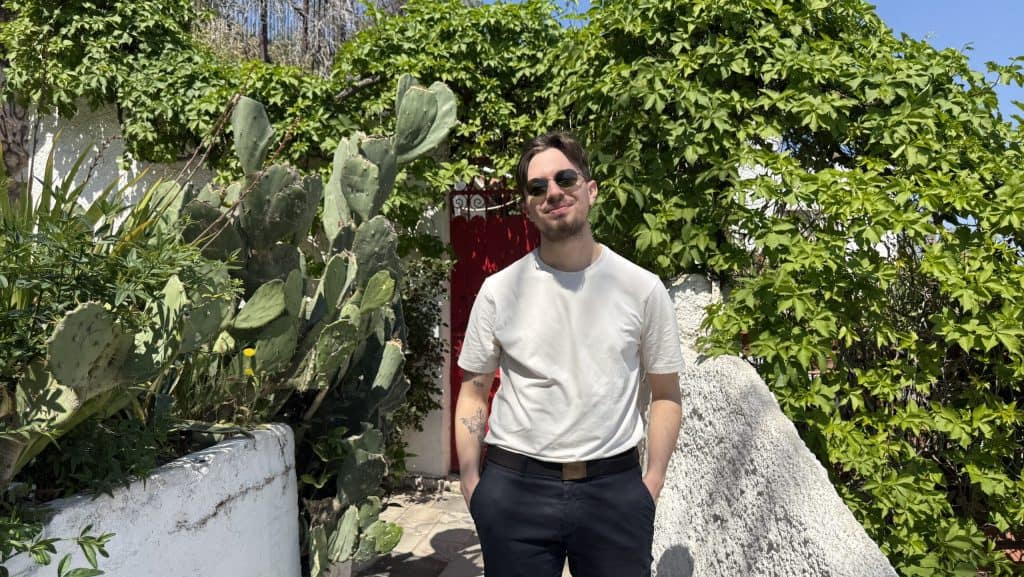
Rather than adding another big archaeological stop here, this is the best point to slow the pace and simply enjoy Athens on foot.
Wander through Plaka’s lanes, make an optional stop at the Temple of Olympian Zeus, then continue uphill into Anafiotika.
The latter is the tiny hillside neighbourhood built by island craftsmen in the 19th century.
With white houses, narrow alleys, and sudden views of the city, it feels almost like a Cycladic village tucked under the Acropolis.
After a bit of wandering, head back down toward the lower streets of Plaka for a drink or an early dinner.
Lyra and Scholarchio are solid options in the area for that.
Sunset: Pick one viewpoint

For sunset, I’d choose one viewpoint and take things slow.
- Philopappou Hill has more space, fantastic views of the Acropolis, and a calmer, more local feel.
- Areopagus Rock is the iconic sunset spot right next to the Acropolis. The views are great, but it can get crowded, and the marble is very slippery.
- Lycabettus is the highest viewpoint in the city centre and probably the best panorama in Athens. It’s further away, so getting there may require a taxi or the metro. Once you’re at the top, Prasini Tenta is a good place to sit down for food or a drink.
Day 2: National Gallery, Kolonaki, and Syntagma
Morning: Breakfast and National Gallery
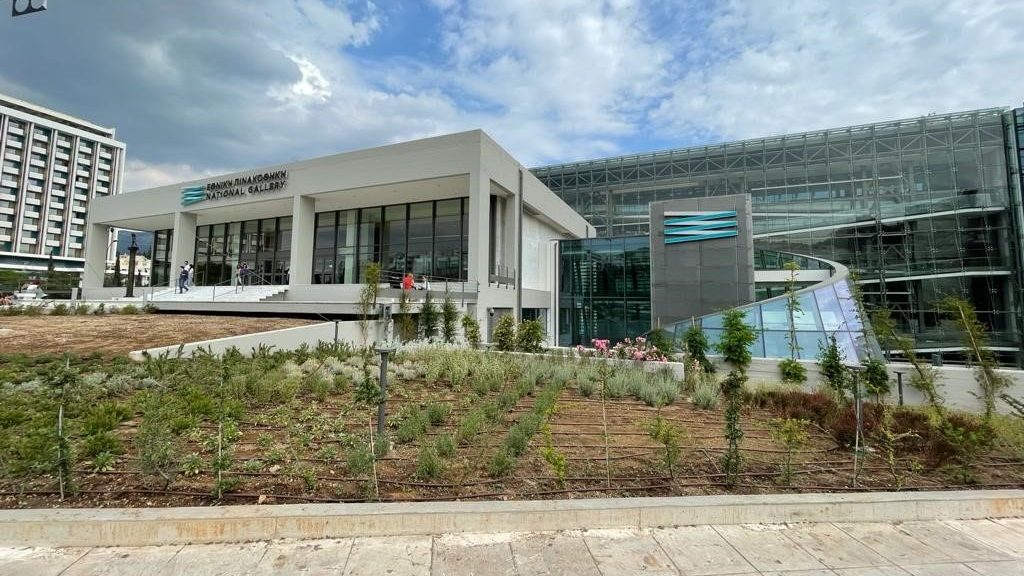
I intentionally decided to make day two non-archaeological to focus on museums, central neighbourhoods, and a slower city walk through modern Athens.
It’s a good reset after the Acropolis-heavy first day and shows a different side of the city beyond ancient ruins.
Start early with breakfast at Roosters, one of the best brunch spots near the National Gallery. Their pastries are excellent, but honestly the entire menu is solid.
Arrive before 10:00 if possible because it fills quickly.
Right next door sits the National Gallery, one of my favourite museums in the city.
There’s everything from 19th-century painting to contemporary exhibitions, and it gives a great sense of modern Greek identity.
The building itself is also beautiful, spacious, and easy to explore without museum fatigue setting in too quickly.
Late Morning and Lunch: Kolonaki
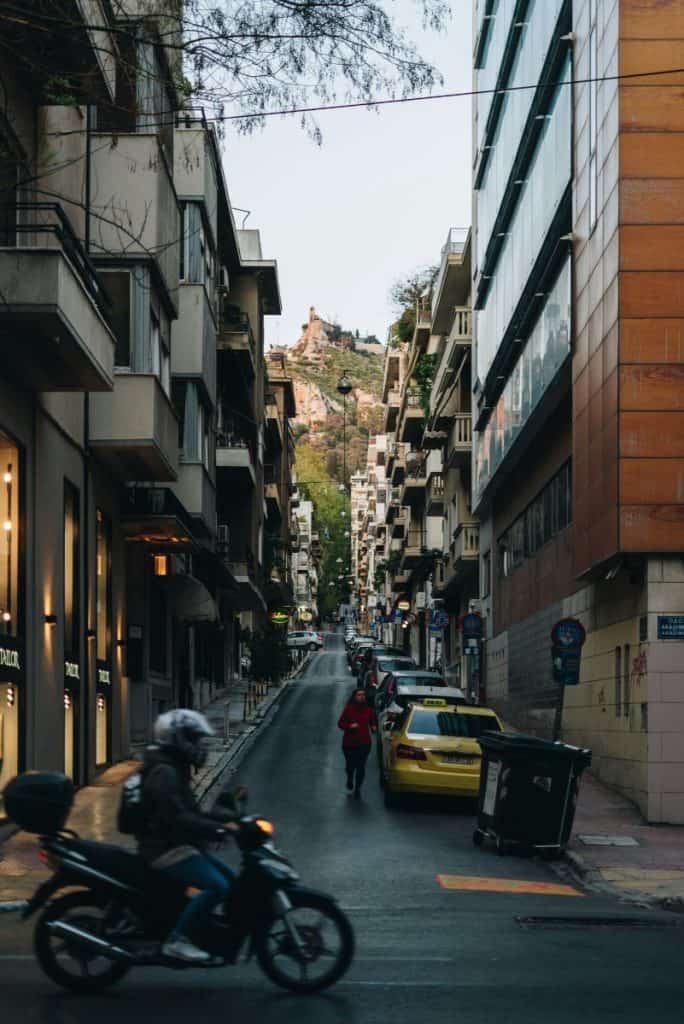
Kolonaki is an easy walk from the Gallery.
It’s the more upscale side of central Athens, and It’s cleaner, calmer, and great for a “reset” walk after a museum.
This is the part of the city for boutique shops, small galleries, coffee stops, and a bit of people-watching.
There’s also another excellent museum here.
The Museum of Cycladic Art focuses on the prehistoric Cycladic civilization. It’s well worth adding if you still have energy for another museum.
For lunch in Kolonaki, there are some solid options.
Oikeio is one of my go-tos for Greek food, and it’s a great choice for a good, non-touristy meal. For fresh pasta, Chez Michel and Alex are both very reliable.
After lunch, continue downhill toward Syntagma Square. It’s a short walk and leads naturally into the National Garden and the rest of the afternoon.
Early afternoon: Syntagma Square

After lunch, walk or take the metro to Syntagma Square. You’ve probably read about the Changing of the Guard (every day at 11:00), and yes, it’s a classic Athens thing.
But if I’m being honest, it’s not something I’d rearrange a whole day around.
The National Garden is the real reason to spend time in this part of the city.
It is green, shaded, and oddly peaceful for a place so central, and it is a very good place to slow down for a while.
From there, the afternoon can go in two different directions, depending on your mood.
Option 1 – Zappeion and Stadium: Walk past Zappeion and continue toward the Panathenaic Stadium (Kallimarmaro). The outside area is already impressive, and I don’t think going inside is worth it. From there, you can either head back towards Syntagma and take the metro, or keep walking for about 20 minutes until you reach Monastiraki.
Option 2 – The shopping street walk (Ermou → Monastiraki): If you would rather stay right in the centre, walk the full length of Ermou, Athens’ main shopping street, until you reach Monastiraki. It is an easy route, and a good one if you feel like browsing shops on the way.
Afternoon: Monastiraki and Psyrri
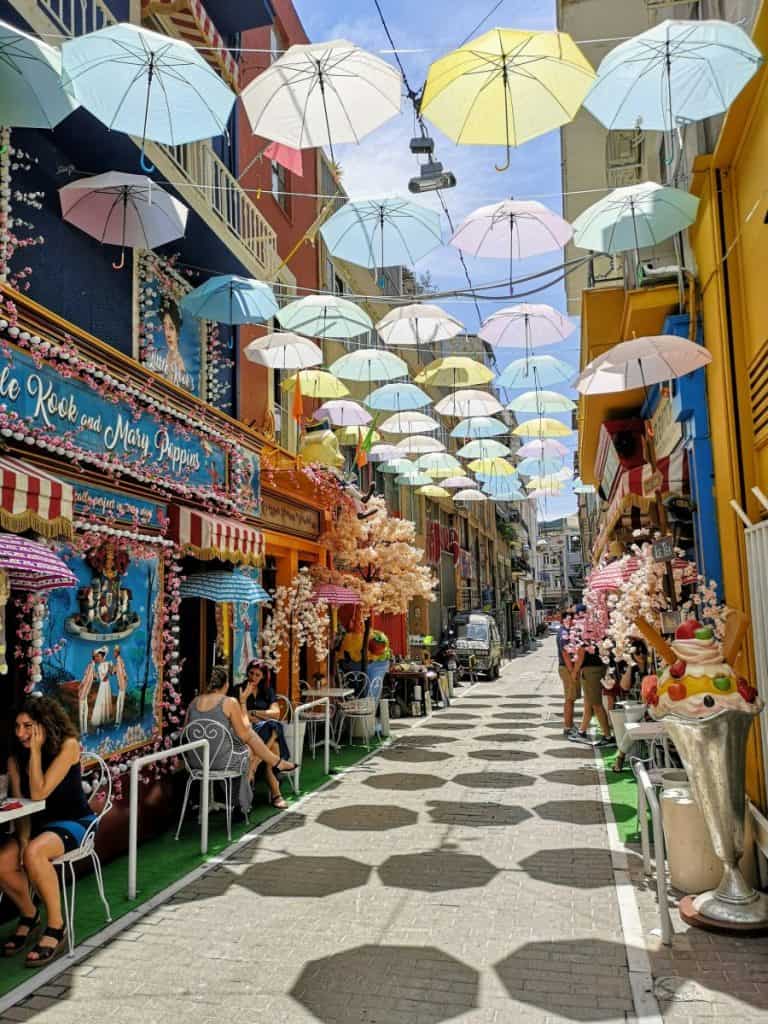
Spend the second half of the day in Athens’ busiest central neighborhoods.
This is the best area for casual browsing, street atmosphere, dinner, dessert, and drinks without needing a rigid sightseeing plan.
Start around Monastiraki Square and wander through the surrounding streets.
The flea market area is more about the atmosphere than the shopping itself, but it’s still a fun place to walk around.
Not far from the square are Hadrians library and the Roman Agora.
I don’t think that it’s worth going in, since most of both can already be seen from outside the fences, and that’s enough after a full morning.
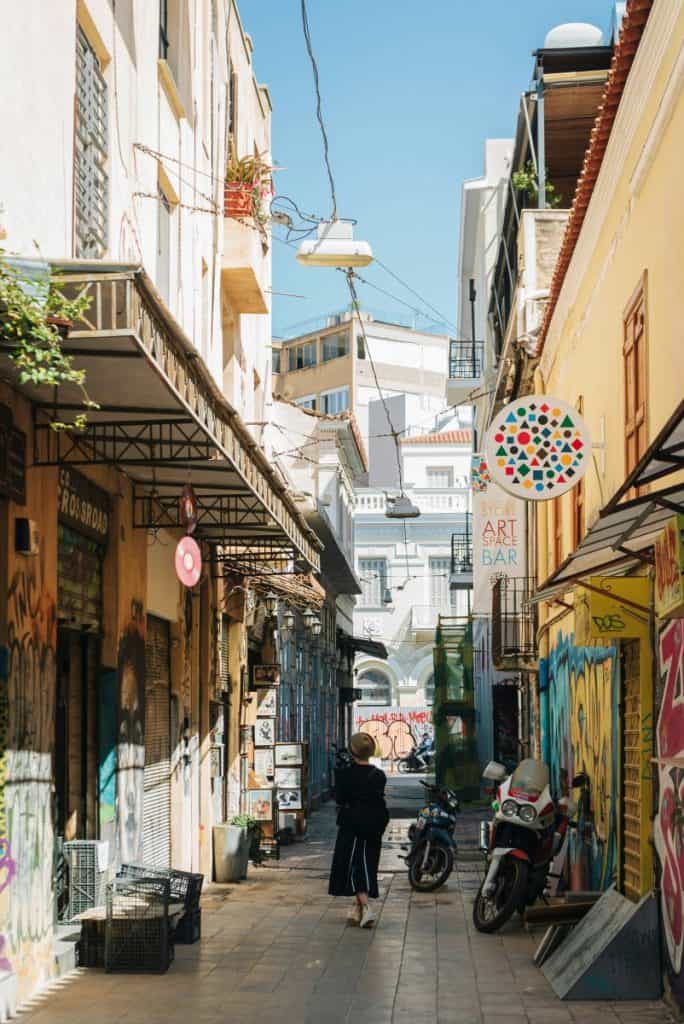
From there, keep walking into Psirri, which for me is where this part of Athens starts getting more fun.
Less sightseeing, more food, drinks, and that lively evening energy the area does so well.
For food, start at Atlantikos, a proper local seafood spot. If you’re after something simpler, Crust is a reliable pizza stop. They often have live music/events, so keep your eyes open.
Dessert is Serbetospito, and that’s an easy pick. Traditional syrupy sweets, open late, massive portions, and absolutely no regrets.
For drinks, Psyrri does what Psyrri does best.
Juan Rodriguez Bar is a great place for a proper cocktail. Barret is more casual and social, perfect if you want something easy.
There is no real need to cover every street here. I would just do one good loop, pick somewhere to eat, and let the rest of the night unfold.
Day 3: Museums, Local Neighborhoods and a Flexible Final Evening
Morning: Choose one museum
By day three, the major headline sights are probably already behind you, which makes this the ideal day to slow down and enjoy a less rigid plan.
Rather than trying to squeeze in several museums, pick one worthwhile stop in the morning and leave the rest of the day more open.
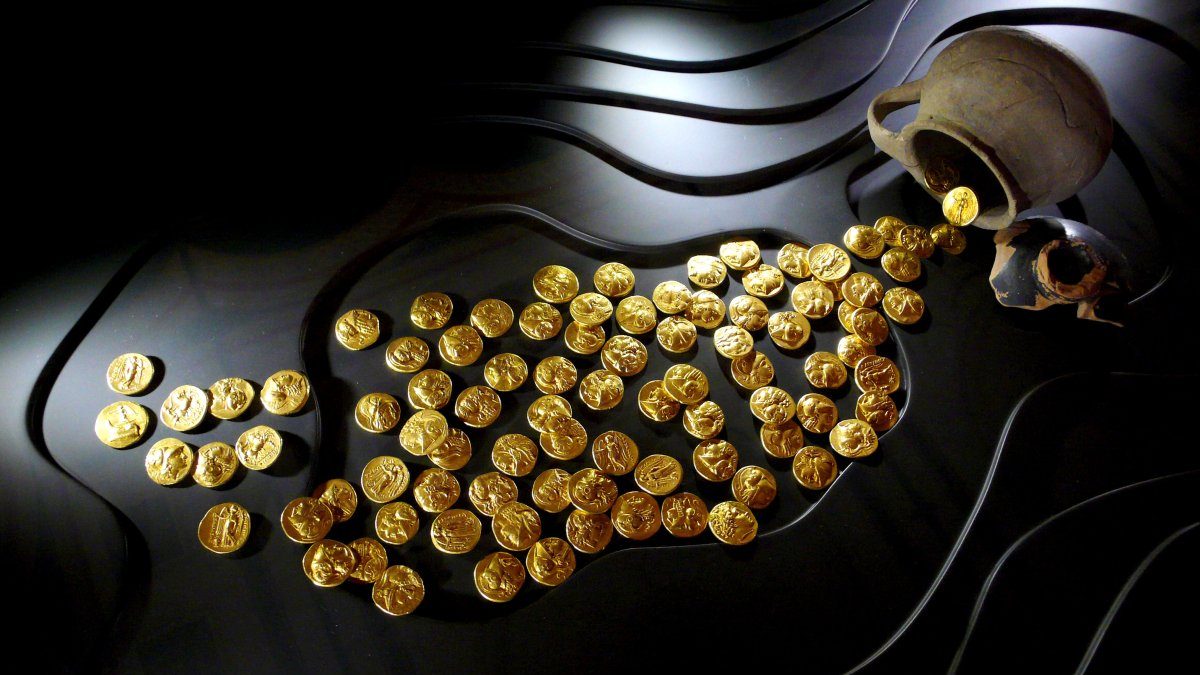
Option A (my favorite) – National Archaeological Museum: Best if you want one comprehensive overview of ancient Greek history. Expect Mycenaean gold, classical sculpture, pottery, and some of the most important archaeological finds in the country.
Option B – Benaki Museum / Numismatic museum: Choose this if you want a museum focused more on Greek daily life, decorative arts, and modern history rather than major archaeological sculpture.
The Numismatic Museum is smaller and often gets overlooked. Even if you don’t think you care about coins, it’s surprisingly satisfying because you’re basically learning history via money – and don’t get me started on the museum’s restaurant.
Option C (more niche) – Maria Callas Museum or the National Museum of Contemporary Art (EMST): The Maria Callas Museum is a great, interactive museum where you’ll learn about one of the greatest opera singers in history. I am not an opera person but I was pleasantly surprised by it.
If you’re in the mood for something more artistic, go for EMST. It hosts photography, installations, video, and exhibitions that change, so it never is the same. Even if you don’t love every piece (that’s contemporary art), it’s a really good way to break up a trip that’s been heavy on ancient history.
When the weather is hot, the simplest plan works best: museum first, then a long lunch, and keep the afternoon close to wherever you’re staying.
Lunch: Go local
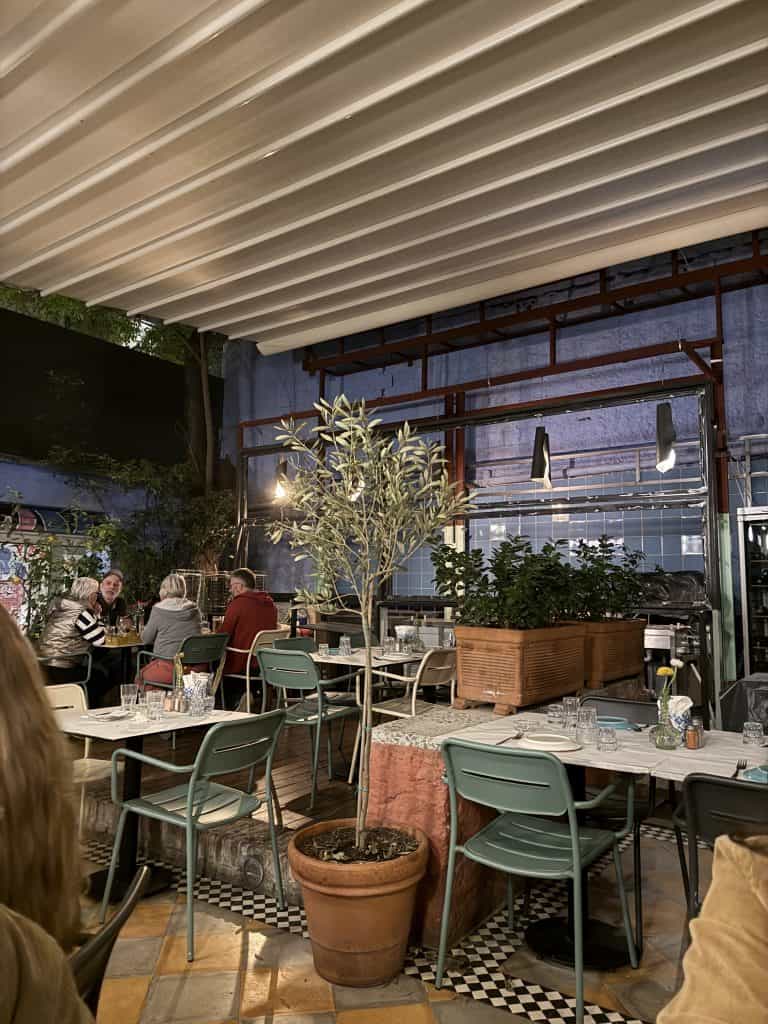
Pick one neighborhood and commit to it instead of hopping around the city. My personal favourites are Pangrati, Koukaki, or Exarchia. All three are central, easy to explore, and full of great places to eat.
Pangrati: It is perfect if you want a low-effort afternoon. Good food, cafés, and local vibes. It’s the best place to sit down for a meal or coffee, walk ten minutes, find another place you like, and repeat.
- Akra – outstanding modern Greek cooking (Michelin-level). Book ahead.
- To mavro provato – creative Greek dishes and a lively atmosphere.
- O mavros gatos – one of the oldest tavernas in Athens.
- Baba ganoush – great Middle-eastern vegetarian food.
Koukaki: The easiest option of the three. Central, walkable, and packed with solid restaurants without feeling overly touristy. It’s a good place to wander, pick a table that looks good, and let the afternoon unfold naturally.
Exarchia: The bohemian side of Athens. Street art, vintage shops, bookstores, and a strong café culture give the area a completely different energy from the historic centre.
- Yiantes – one of my favourite spots for contemporary greek food.
- Rozalia – a long-standing neighbourhood classic.
- Rakoumel – excellent Cretan dishes.
- Falafelo street food – my go-to falafel in Athens.
- Cookoomela grill – arguably the best vegan souvlaki in Greece.
If you want to keep it simple, pick a place that’s busy with locals, has a short-ish menu, and doesn’t feel like it’s begging you to come in.
Afternoon – Evening: Free
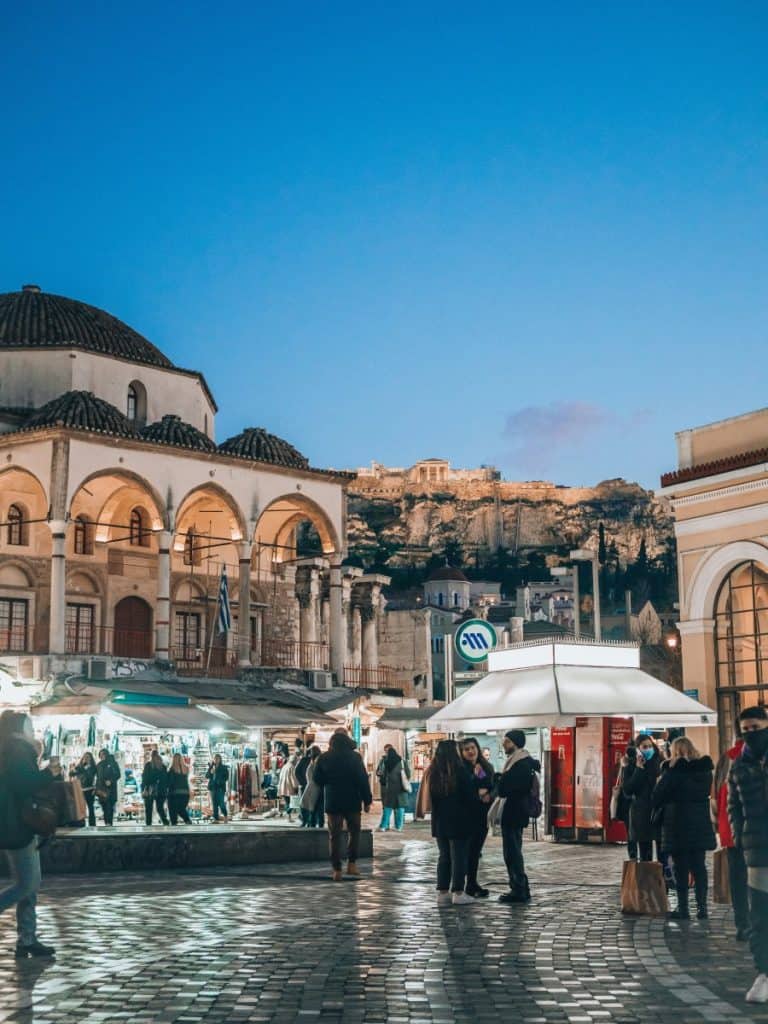
I’ve kept your last afternoon flexible on purpose, but here’s how to make it free without being random.
Option 1 – The neighbourhood afternoon: Stay in the neighbourhood you chose for lunch. Get a coffee, walk without purpose, stop in a couple of shops, sit in a square, do one small detour that looks interesting. This is the easiest way to end up with a good Athens memory that isn’t on a checklist.
Option 2 – The practical afternoon (shopping and easy wandering): If you want something simple and central, do a bit of shopping, browse, and keep it light. This is also a good day to pick up anything you forgot (sunhat, tote bag, that one souvenir you saw and liked).
Option 3 – The “something different” afternoon: If you want a more unusual Athens angle, use this slot for something niche. That could be a small museum you spotted, a walk, or one of the alternative ideas you wouldn’t normally plan around.
For your last night. I would recommend:
- Option 1: Rooftop night
- Option 2: Taverna night – Long dinner, shared plates, no rushing.
- Option 3: Drinks in a neighbourhood you liked
Best Areas to Stay in Athens for This Itinerary
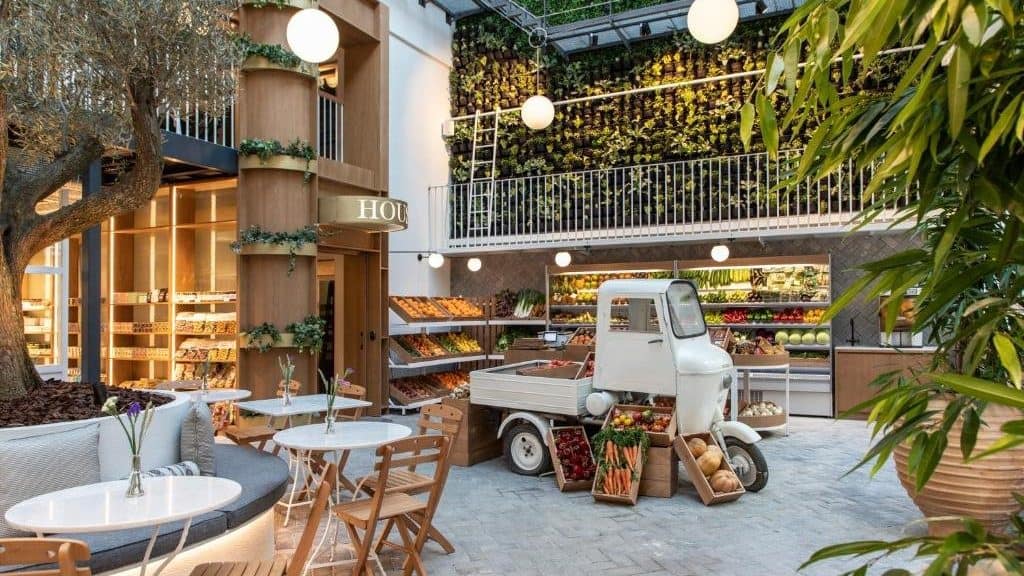
Choosing the right neighborhood makes this itinerary much easier, especially if you want to minimize transport time and keep evenings convenient.
- Koukaki: Walkable to the Acropolis area, excellent food scene, relaxed atmosphere. My usual recommendation for a first stay.
- Plaka: Athens how people picture it. Beautiful, but pricier and more tourist-oriented.
- Syntagma: Unbeatable transport connections. Convenient, though it doesn’t feel like a real neighbourhood.
- Monastiraki/Psyrri: Lively and central with plenty of nightlife. Can get noisy at night, so hotel choice matters.
- Kolonaki: Upscale, quieter, and comfortable. Expect higher prices.
- Exarcheia: Alternative, creative, and very different from the rest of the centre.
How to Get Around Athens
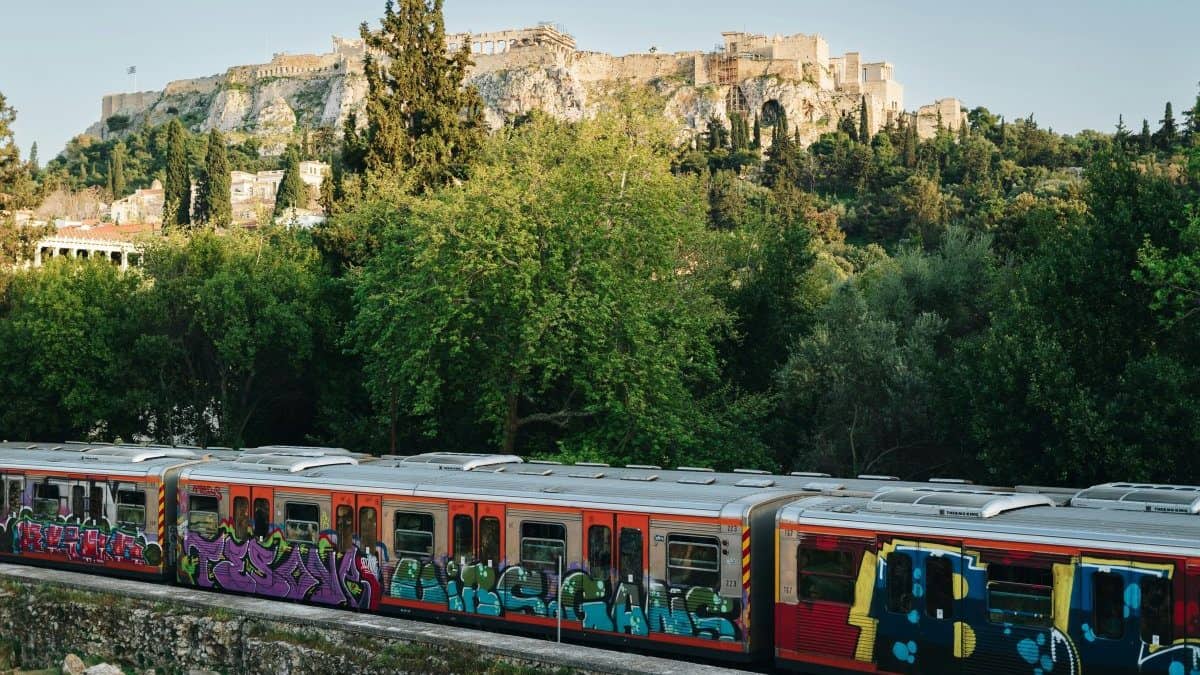
The city centre is best explored on foot and by metro.
The walking level in this itinerary is moderate, but none of the distances are extreme, and the metro can easily shorten longer stretches when needed.
You do not need a car for this itinerary.
How Expensive Is Athens?
Athens can be surprisingly affordable.
The biggest expenses usually come from accommodation, rooftop bars, and organized tours, while food, coffee, museums, and local transport stay relatively manageable if you avoid the obvious tourist traps.
Final Thoughts
Three days in Athens is enough time to see the major sights, explore a few local neighbourhoods, and enjoy the city without turning the trip into a checklist.
The best approach is to keep mornings for the bigger plans, leave afternoons flexible, and give yourself time for food, viewpoints, and wandering once the city cools down.
To keep planning, read these next:
- If you only have one day, use my one day in Athens itinerary.
- For accommodation planning, read my guide to the best areas to stay in Athens.
- For metro, airport, taxi, and bus details, use my Athens transport guide.
- For budgeting, check my guide to how expensive Athens is.
- For extra ideas, use my list of the best things to do in Athens.