Athens in Summer: What to Expect and the Best Things to Do
Summer is the worst time to visit Athens, at least weather-wise. Well, crowd-wise too.
Cruise ships arrive daily, the centre fills early, and the heat becomes part of your planning whether you like it or not.
But at the same time, it’ not all black.
The city might be hot, busy, but it is also full of energy. Days are long, nights run late, and everything happens outside, from rooftop bars to late dinners and walks through the centre.
If you understand how to move around the city – when to go out, when to slow down, and how to deal with the heat, then it can be a good time to visit.
Just so you know: Some links on this page are affiliate links, which means I might earn a small commission if you book or buy through them, at no extra cost to you. Thank you for your support!
Summer in Athens is Ideal for
Evenings and outdoor dining: Summer in Athens really starts around sunset. Temperatures drop, streets fill up again, and long dinners, drinks, and late walks become the best part of the day.
Beach time and the Athens Riviera: The coast becomes part of daily life. Beaches along the Riviera are easy to reach and give a break from the city.
Combining Athens with the islands: Summer is the best time to pair Athens with island travel. Ferries run frequently, and both short trips to places like Aegina and longer island itineraries fit perfectly into a summer visit.
Outdoor events and open-air cinemas: Open-air cinemas, small festivals, and events take place across the city. Watching a film outdoors on a warm night is something you don’t really get in other seasons.
But Summer in Athens is Less Ideal for
Walking all day: This is the biggest adjustment. Between 12:00 and 17:00, the heat can be intense, and much of the centre has limited shade.
Tight schedules: Summer in Athens is not for strict planning. It’s much easier to plan around early mornings and evenings, and keep afternoons flexible.
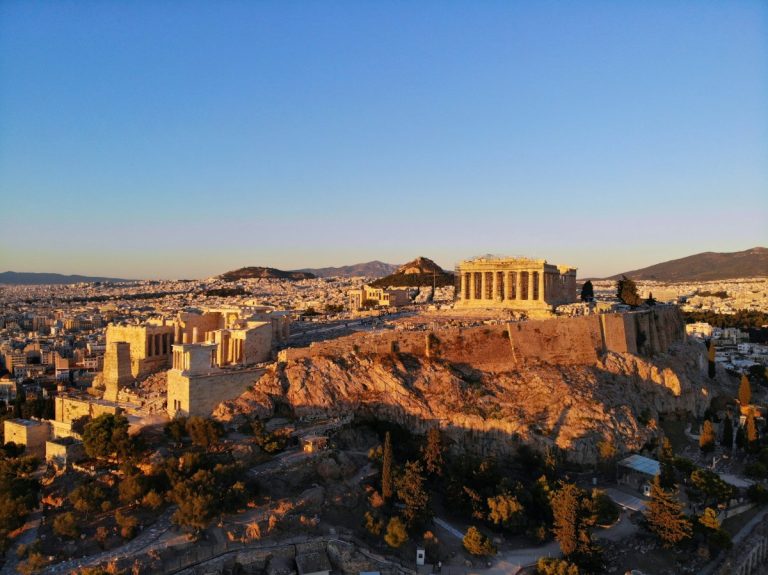
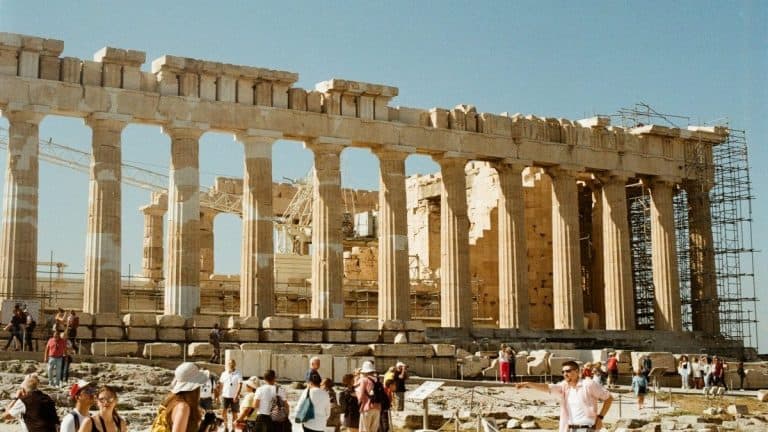
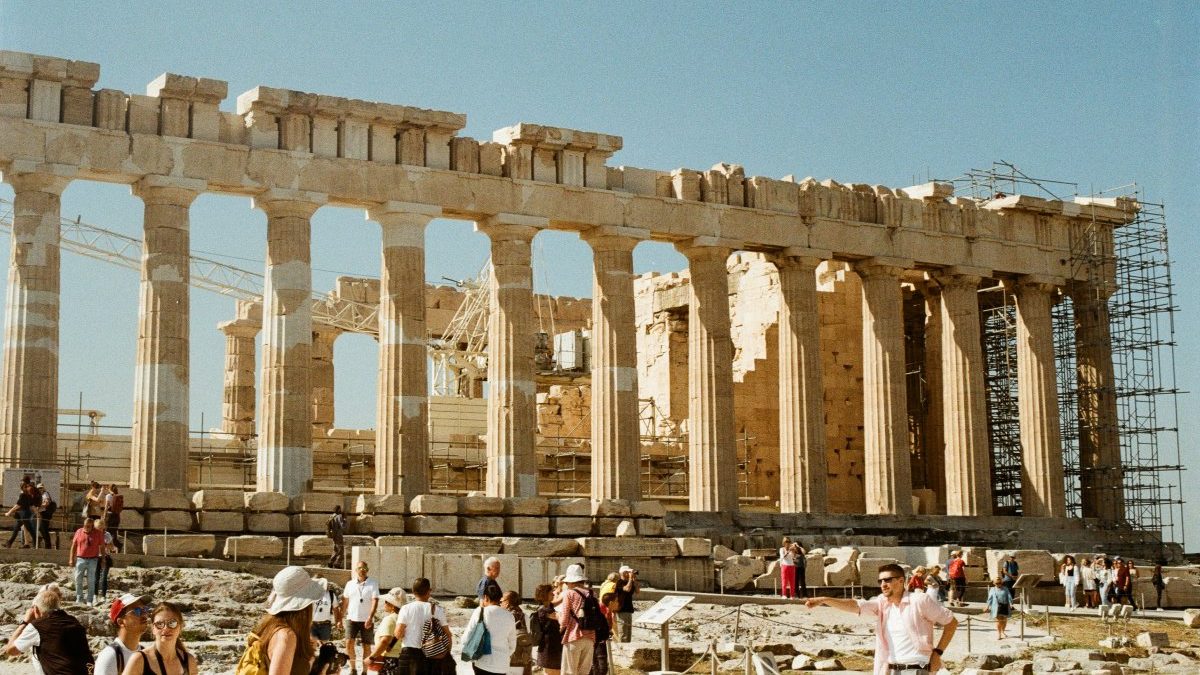
Crowds at big sights: This is peak season. By late morning, the Acropolis area and the surrounding streets fill up quickly, so early starts make a real difference.
Heatwaves: Athens does get heatwaves during summer, with temperatures reaching 38-42°C (100-108°F). They don’t happen every week, but when they do, the city feels like a microwave.
Athens in June

June is the beginning of summer in Athens, but it still is fairly manageable.
Temperatures usually sit around 28-32°C (82-90°F), with evenings that are warm without being exhausting.
Along with May and September, it is one of the best months to visit for a summery atmosphere without the worst heat.
Daytime sightseeing is still possible, although the middle of the day can already feel heavy.
The city is also getting busier, but it has not reached full peak-season pressure yet.
Athens in July
July is when the heat becomes much harder to ignore.
Daytime temperatures often reach 33-37°C (91-99°F), and nights stay warm, though usually not unbearable.
This is the month when you need to be more selective with your time outside. Long walks become tiring, and the hottest part of the day is better kept for lunch, rest, museums, or anything indoors.
It is also when Athens gets really busy, because people stop in the city before heading to the islands.
The sights fill up fast, so the earlier you visit them, the better your day goes.
Athens in August
August is the hottest and most extreme month.
Temperatures are similar to July, around 34-38°C (93-100°F), but frequent heatwaves can push things well-above 40°C (104°F).
At the same time, something very interesting happens. Many locals leave the city for holidays.
Some (more residential) areas are quieter, while tourist spots remain busy.
That contrast gives Athens a slightly odd atmosphere. It’s calmer in places that are otherwise full of everyday life, but still very active around the historic centre.
But I can always find parking spots, so it’s not all too bad.
What to Wear in Athens in Summer
I’m pretty sure I’ve said it many times by now, but summer in Athens is all about dealing with heat and sun exposure.
So the simplest approach is to keep things light, breathable, and comfortable.
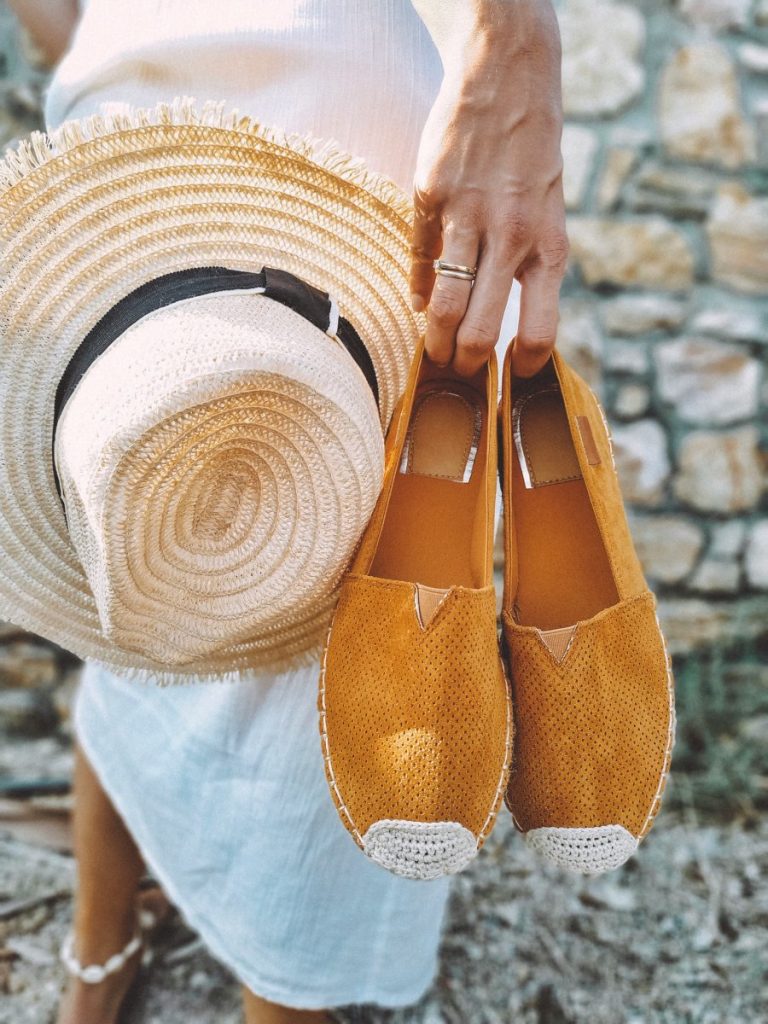
Think T-shirts, linen shirts and trousers (these are my favourites), light dresses, and loose clothing that doesn’t trap heat.
Make sure to also bring comfortable walking shoes.
You’ll be walking on uneven streets, stone paths, and sometimes slippery surfaces around archaeological sites.
Sandals can be fine, but they need to be stable – not the kind that slide around.
I’d also recommend:
- Sunscreen (50+)
- Sunglasses
- A light-coloured hat or cap
The sun in Athens is direct and constant, and you’ll feel it even in the morning.
For evenings, you don’t need much.
Nights stay warm, so a light layer is more than enough, and you should be able to stay out quite late without ever needing a jacket.
One more small thing: try to dress in a way that you feel comfortable for long hours outside, not just for how it looks.
Summer Evenings in the City
1. Watch the Sunset from Lycabettus Hill
I know I haven’t exactly sold summer in Athens as easy so far, but the sunsets are one of the season’s best arguments.
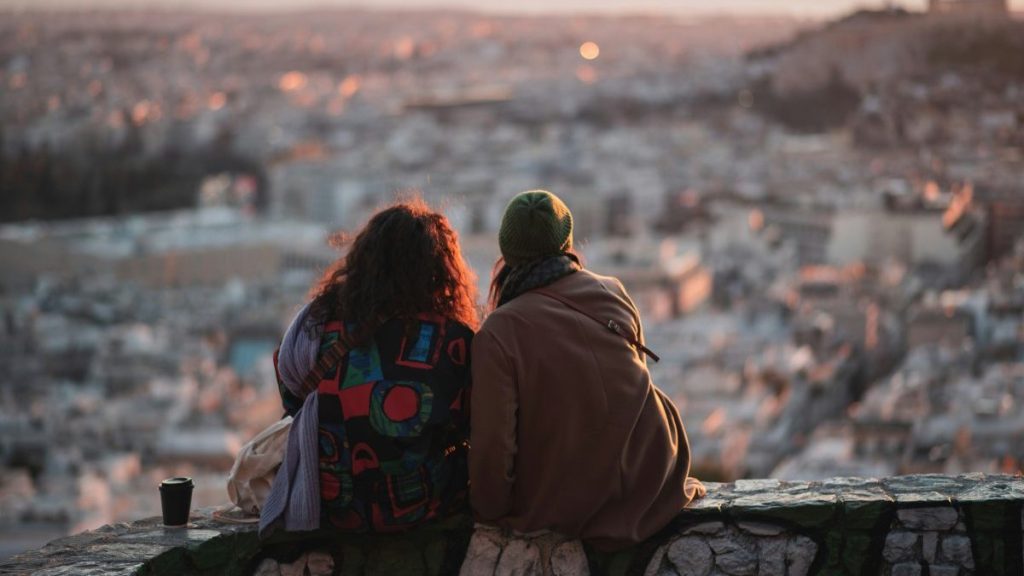
Golden hour lasts longer, the sky turns soft shades of orange and red, and the city slows down for a while.
Lycabettus Hill is the best place to see it.
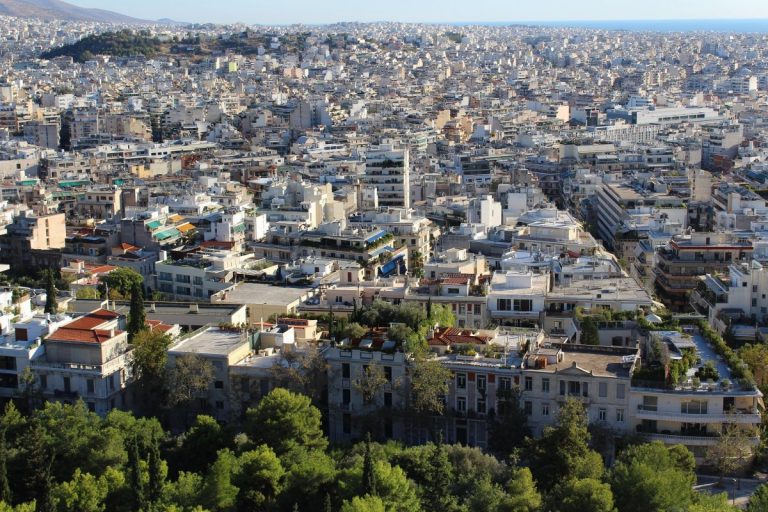
From the top, you get a full view over the city. You can see the Acropolis, the dense urban landscape stretching in every direction, and even the sea in the distance on clear days.
As the sun goes down, the light changes quickly. Then, once it gets dark, the city slowly starts lighting up below you.
You can walk up from Kolonaki if you’re up for it, but in summer I’d take the funicular up and save the walk for the way down.
Afterwards, you can stop for dinner in Kolonaki, which works perfectly because you’re already in the area.
2. Have a Drink at a Rooftop Bar
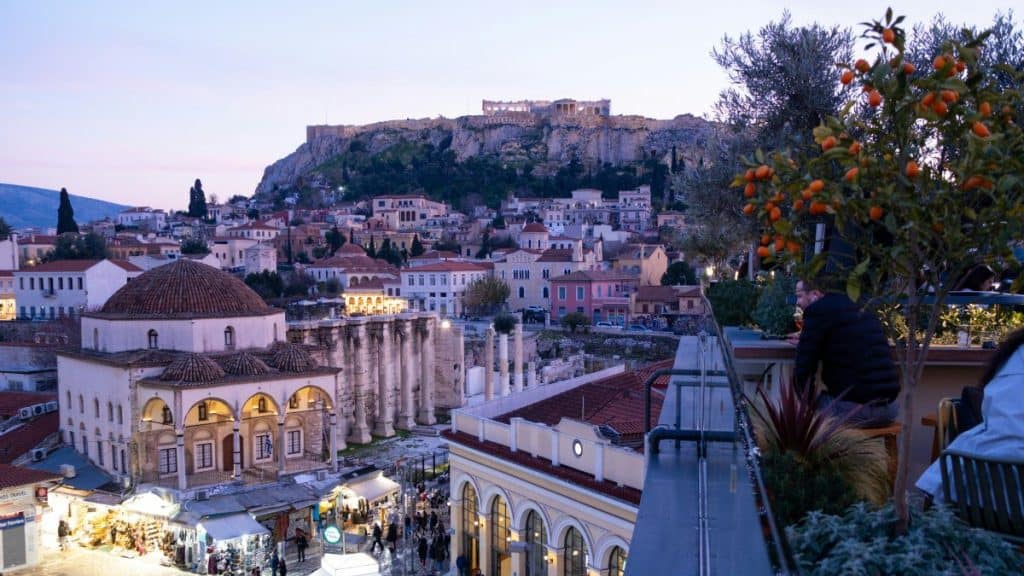
Rooftop bars are everywhere in Athens, and they’re at their best during those long summer nights.
Most are around Monastiraki and Syntagma, and some accept online reservations, which is a good idea during peak season.
Ermou 18 is one of my favourites. It’s central, relaxed, and has a direct view of the Acropolis without trying too hard to be fancy.
Prices are higher than in regular cafés, but for one evening, I think it’s fair. You get the view, the breeze, and a slower break from the noise below.
3. Experience the Athenian Nightlife
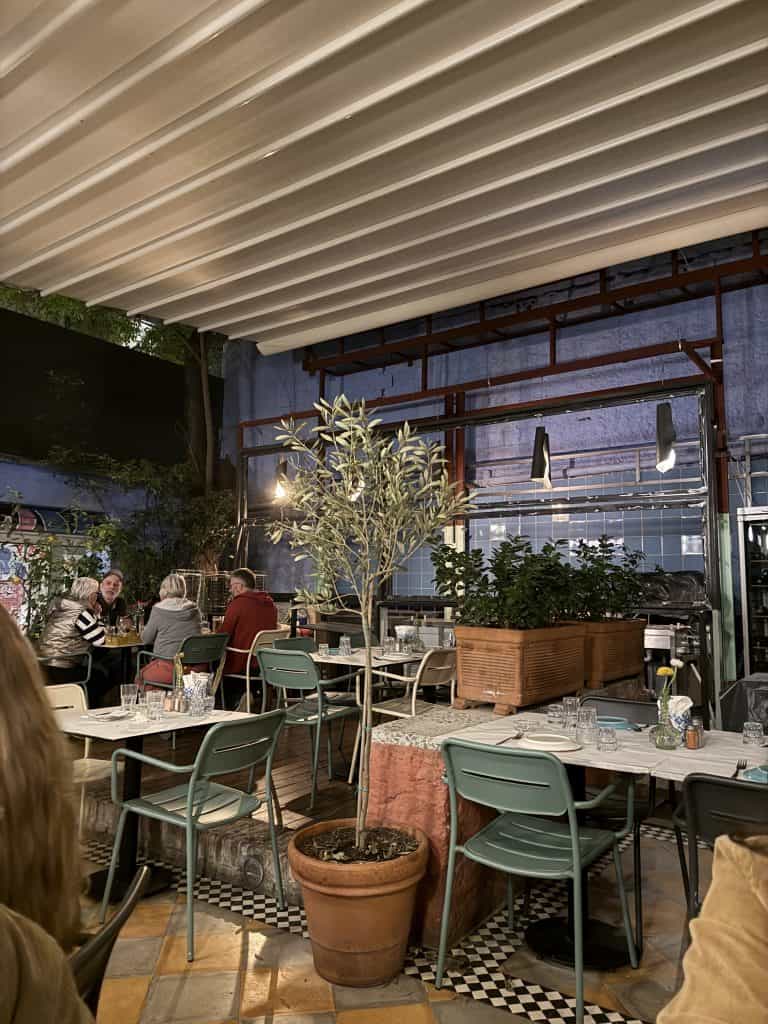
After all these years, I think I’d divide Athenian nightlife into a few different categories.
The first one is long dinners. In summer, they start late and somehow last even longer. You sit at a local taverna, talk, order a few more beers, share dishes, and eventually reach the point where nobody should realistically still be eating – but somehow you still are.
Then come the bars. Athens has everything from modern cocktail bars and rooftops to old-school music bars, pubs, and places that are like café-bar hybrids.
Then there’s Exarcheia, which is completely different from the rest of the centre. It’s bohemian, more local, and much slower socially. People sit outside for hours, conversations get louder as the night goes on, and tables usually end up covered with beers, cigarettes, and shared plates.
Lastly, there are the nightclubs.
Gazi has most of the larger clubs in Athens. Music is loud, places get crowded, and nights continue until early morning. It’s not my favourite activity, but it sure is popular.
The Coast & Escaping the Heat
4. Escape to the Coast for a Few Hours
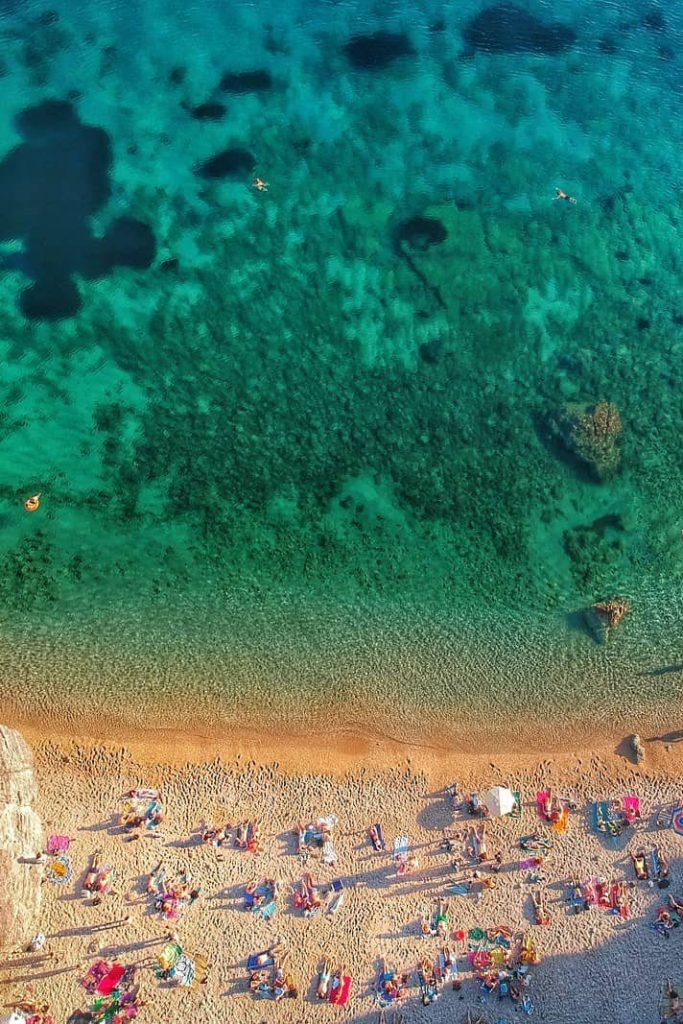
Athens does have a coastal side, even if it is never going to compete with the islands.
That said, island travel has become more expensive and less accessible over the years, so a beach day near Athens can be a very solid summer option.
You still get the sea, the swim, and the much-needed change of scenery without ferries, luggage, or turning it into a full extra trip.
The Athens Riviera stretches south from the city and is easy to reach by tram, taxi, or car.
Glyfada, Vouliagmeni, and the areas further down the coast all work well for either a quick swim or a longer day by the water.
For more specific places to swim, I’ve broken down the best beaches near Athens in a seperate guide.
5. Take a Day Trip to Cape Sounion, Aegina, or Further
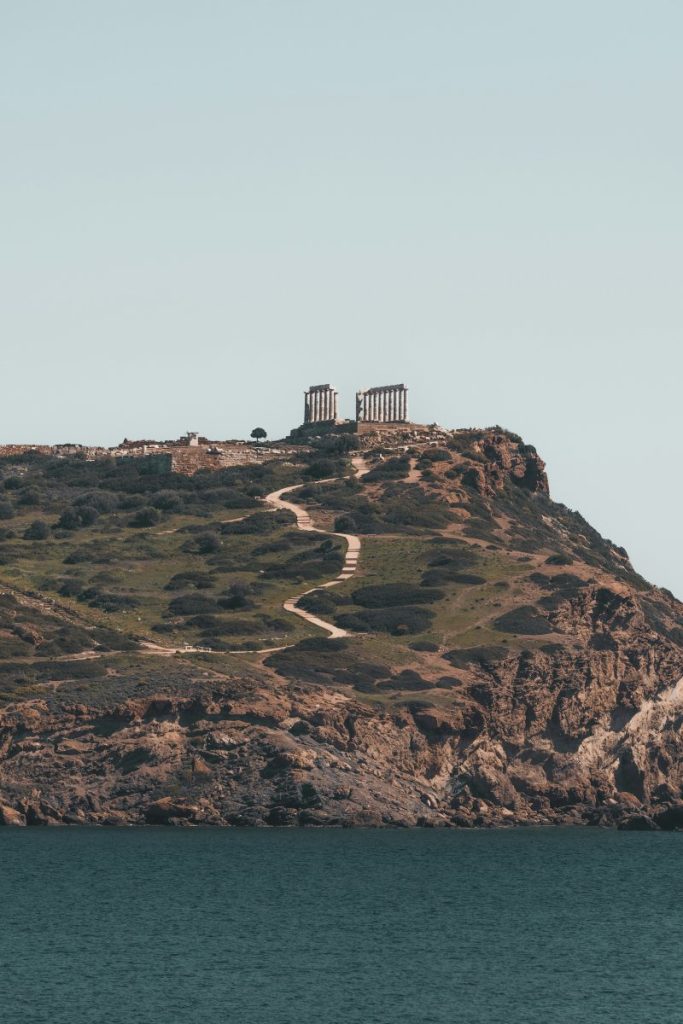
Spending a full day outside Athens can be another good way to escape the heat and the pace of the city for a while.
The simplest option is Cape Sounion. Organised tours run there constantly during summer, and most leave in the afternoon so you arrive close to sunset.
The drive follows the coast for most of the route, and the Temple of Poseidon is one of the best sunset spots in the city.
The other easy option is Aegina island. Ferries leave regularly from the Port of Piraeus, and a day-trip is very feasible. Just be ready to try tons of local pistachios, they really take pride in them.
It takes much longer to reach and is not the most practical choice, but that’s also why it is completely different from the more common day trips around Athens.
Food, Coffee, and Late-Night Stops
6. Drink Freddo Coffee Like a Local

I think it was LEX, one of my favourite Greek artists, who said in one of his songs: “New York is nice, but there’s no freddo espresso.”
And that says a lot about how deeply this coffee is rooted in Greek culture.
The two drinks to know are freddo espresso and freddo cappuccino.
A freddo espresso is made with espresso shaken or blended with ice until it becomes cold, smooth, and slightly frothy. It’s strong, simple, and sure to wake you up.
A freddo cappuccino starts the same way, but comes with a layer of cold milk foam on top.
Personally, I still prefer the espresso version.
You’ll find them everywhere in the city. Order one, sit down, and don’t rush it. That’s basically the point.
7. Try Food Truck “Vromiko”
Late at night, some of the best food in Athens is on the street.
We tend to call it “vromiko”, which directly translates to “dirty”.
But don’t worry, it’s nothing to be suspicious about. The name mostly refers to the messy nature of these big, sauce-filled sandwiches (or fries).
There are a few spots that have become staples over the years. Kantina Mavili is probably the most well-known.
It’s always busy, with people standing around, and famous for its massive sandwiches, chicken nuggets, and hot dogs after a night out.
A bit further down, Kantina Michalakopoulou does the same thing – fast food, open late, and a steady flow of people coming and going.
Then there’s Story Streat in Piraeus, which is outside the centre but worth knowing about if you end up near the port.
You go, order something quick, eat it standing or sitting nearby, and then move on – and that’s pretty much the concept.
8. Get Late-Night Ice Cream
An ice cream is always a great idea after dinner. Two places I keep going back to are Epik Gelato and Morris Brown.
At Epik, the pistachio ice cream sandwich is the one to get. It might as well be the best ice cream I’ve ever tried.
At Morris Brown they also do desserts really well, so it’s worth trying more than one thing if you’re there.
Both are better later in the evening. It’s the same concept. You go, grab something, and then just walk around with it.
Outdoor Culture and Events
9. Go to an Open-Air Cinema
Open-air cinemas are one of the most typical Greek summer experiences.
They usually open around May and stay active through September.
Most are small outdoor courtyards with rows of chairs, plants around the screen, and a simple bar selling drinks, popcorn, beers, and snacks.
A few well-known examples are Cine Thisio, probably the most famous because of the Acropolis view behind the screen, and Cine Paris in Plaka, which is on a rooftop.
Most films are shown in their original language with Greek subtitles, so following along is easy.
I also think they fit Athens particularly well because summer nights happen outdoors anyway.
Instead of staying inside with air conditioning, people sit outside, watch a film, have a drink, and continue somewhere else afterwards.
10. Watch a Film at the Athens Open Air Film Festival
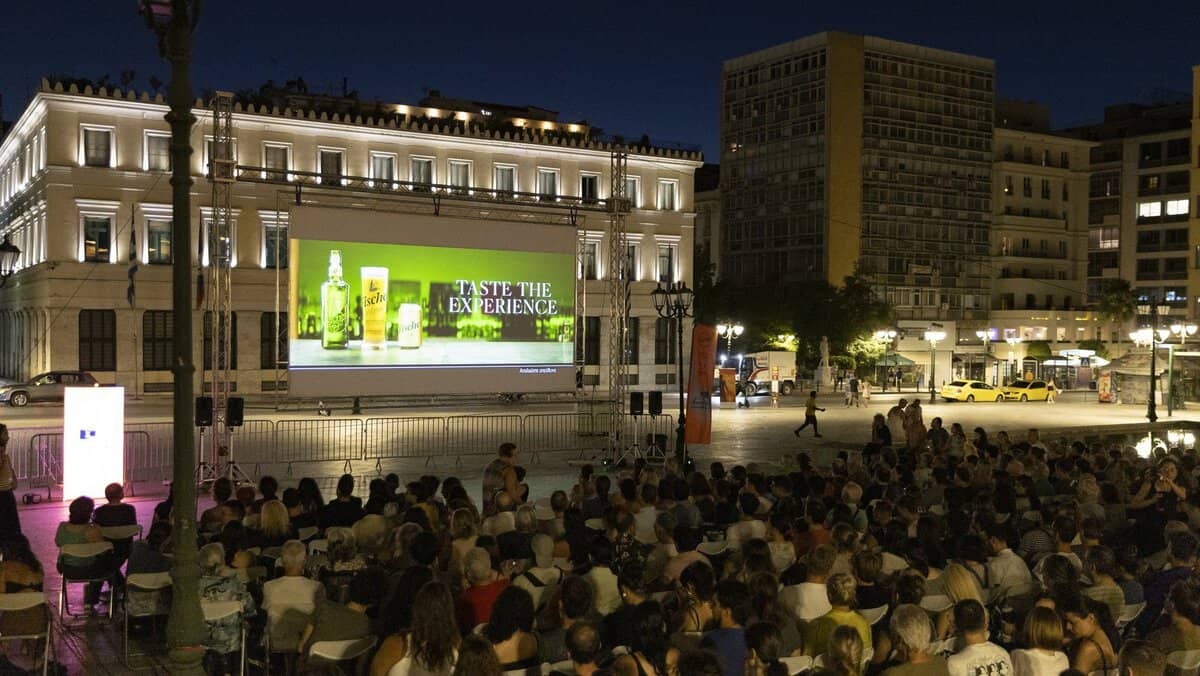
The Athens Open Air Film Festival runs through June to August, with screenings in different locations across the city.
What makes it different is where the films are shown. Instead of cinemas, screenings take place in courtyards, squares, parks, and sometimes in places you wouldn’t expect.
You don’t go for the film alone. You go for the experience of watching it in that space, surrounded by people, in the middle of the city.
Some screenings get busy, others stay more low-key. It depends on the film and the location.
11. Attend the Athens epidaurus Festival
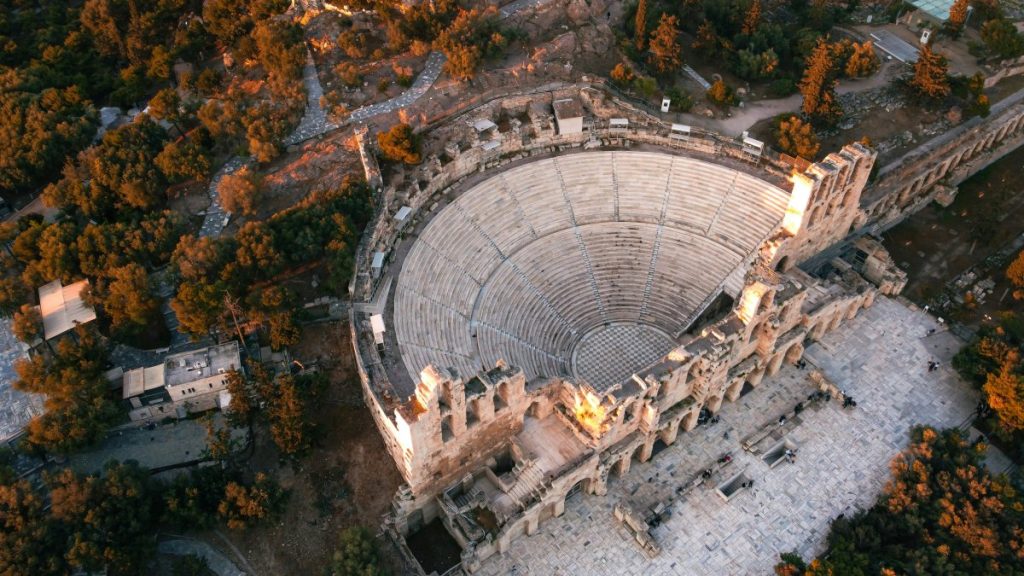
This year’s programme in Athens includes productions like Einstein on the Beach with Ictus Ensemble, Medea’s Children by Milo Rau and NTGent, MÁM by Teaċ Daṁsa and Michael Keegan-Dolan, and concerts by artists like Suzanne Vega.
There are also occasional performances inside the Ancient Agora, which I honestly think is awesome.
Watching something in a space you normally visit during the day as an archaeological site feels completely different at night.
12. Attend a Summer Concert

Summer in Athens is concert season, and some events are big enough to plan a trip around.
The main one is Release Athens Festival, which runs through June and early July at Plateia Nerou, by the coast.
It is not a full-weekend festival where you need to commit to the whole thing. Instead, concerts are spread across different dates, so you can simply choose the day that interests you.
This year’s lineup includes names like Limp Bizkit, David Byrne, Jean-Michel Jarre, Nick Cave & The Bad Seeds, Gorillaz, The Offspring, Moby, Helloween, and more.
Later in summer, there is also Ejekt Festival, which takes place on 14-15 July at OAKA.
This one leans is focused into rock and alternative music, with Florence + The Machine on 14 July and The Cure on 15 July, along with acts like Suede, Nothing But Thieves, and Matt Berninger.
Between the two, Ejekt is more like a classic festival – bigger crowds, a full setup, and more of that all-in atmosphere.
13. Spend an Evening at SNF Nostos
SNF Nostos takes place every year at the Stavros Niarchos Foundation Cultural Center.
This year it runs between 21-28 June, with a mix of concerts, performances, talks, and outdoor activities spread across a few days.
The space itself is large, open, and right by the sea. People move around between stages, sit on the grass, or just walk through and stay where they want.
Some events attract massive crowds, some not, but you can easily stay there for most of the evening without getting bored.
14. Visit Sites during the August Full Moon
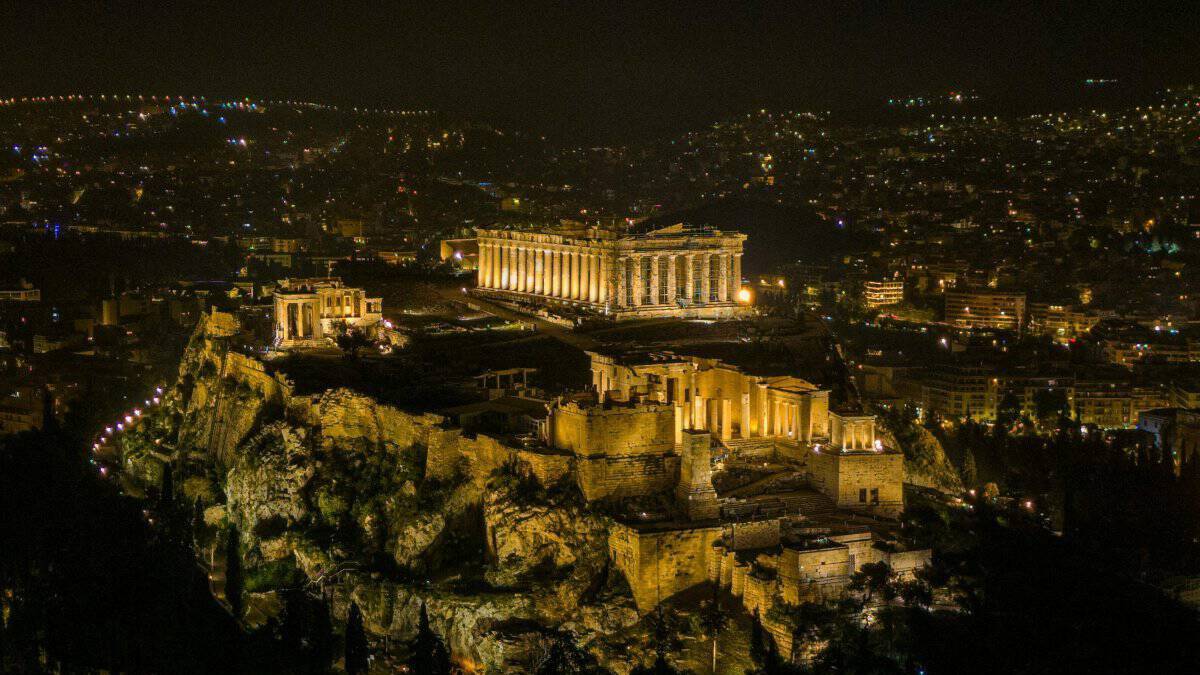
Every August, Athens has one evening when selected museums and archaeological sites stay open later than usual and offer free entry for the August full moon.
This year, the full moon falls on August 28.
Some places extend their hours, while others host small concerts, performances, or special events.
Not everything takes part, but if your trip overlaps with it, it’s one of the best seasonal experiences to add to your evening.
Final Thoughts
Summer in Athens is not always easy.
The heat changes the rhythm of the day, the centre becomes crowded, and some afternoons feel much longer than they should.
But if you adjust to it a little, the city starts making much more sense.
People stay out later, the coast becomes part of everyday life, open-air cinemas return, concerts fill the calendar, and entire neighbourhoods stay active well past midnight.
If you’re still planning the practical side of the trip, it also helps to look at where to stay during summer, how to move around the city without exhausting yourself, and which beaches along the Riviera are worth the trip.