24 Best Things to Do in Athens, From a Local
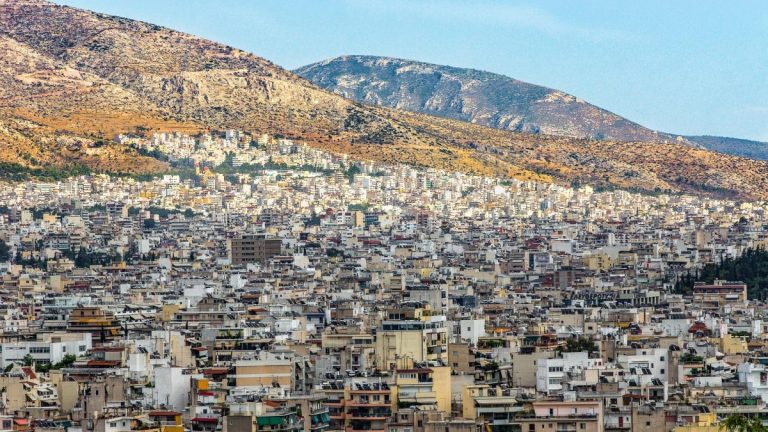
Athens is loud, hot, historic, romantic, messy, and completely unapologetic about all of it. That’s a big part of why my relationship with the city has been complicated over the years, and why putting together this list turned out to be harder than it sounds.
Some of the most famous sites, like the Acropolis and the Ancient Agora, earn the hype.
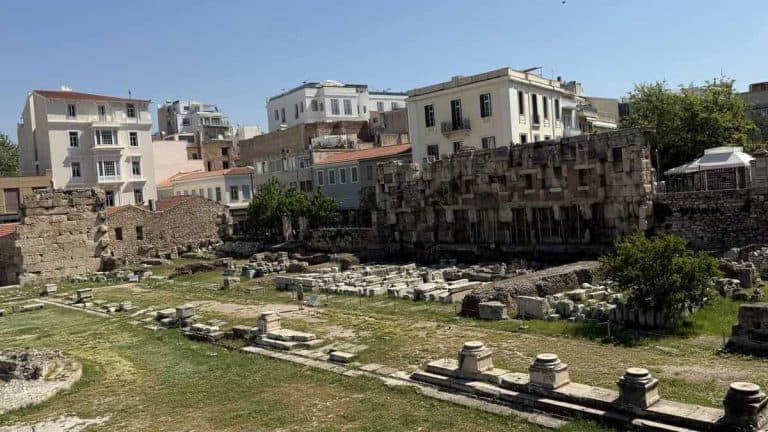
Others sound far more impressive on paper than they turn out to be in person. Take the Roman Agora or Hadrian’s Library, where you can see almost everything just by walking around the perimeter without paying to go in.
The Panathenaic Stadium is the same story: impressive from outside, but the ticket doesn’t really buy you much more. So I’ve left those out.
Meanwhile, some of the city’s best spots barely get a mention anywhere.
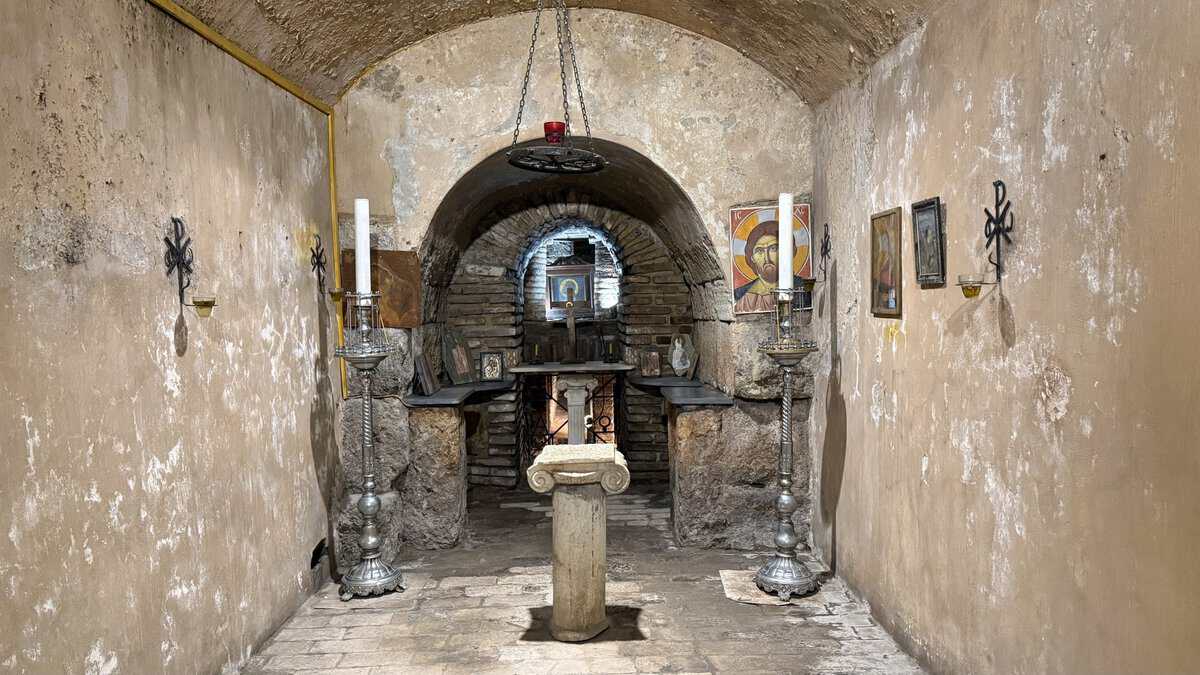
Most people walk straight past the underground chambers beneath the Holy Trinity Church without knowing what’s underneath. Fewer still make it to Pnyx Hill, where democracy quite literally began, and where you can watch the Acropolis from a rock face most tourists never find, for free.
That contrast is basically what Athens is like. Places that look unmissable on paper feel flat in person, and places nobody mentions end up being the best part of the trip.
This is my attempt to sort one from the other, and it’s built from the things I’d tell a friend to do in the city I grew up in.
Just so you know: Some links on this page are affiliate links, which means I might earn a small commission if you book or buy through them, at no extra cost to you. Thank you for your support!
Quick Picks
Short on time? Here’s where I’d send you first, by category:
- First-time visitors → The Acropolis
- Ancient Athens beyond the Acropolis → The Ancient Agora & Temple of Hephaestus
- Best free Acropolis view → Pnyx Hill
- Most charming neighbourhood → Anafiotika
- Best city view → Lycabettus Hill
- Best museum → The Acropolis Museum
- Best hidden gem → The Athens Catacombs
- Best local night out → Exarcheia
Doing this in a single day? My one-day Athens itinerary strings the top picks above into a realistic route.
Map of Athens
Before diving into the guide, take a minute to check this Athens map I put together in Google Maps.
It includes the main sights, museums, viewpoints, beaches, and other stops worth having on your radar, and it makes planning the trip much easier once you can see what fits together geographically.
Must-See Historical Sites
1. The Acropolis
- Address: Athens 105 58, Greece
- Ticket: 30€ ($34.73)
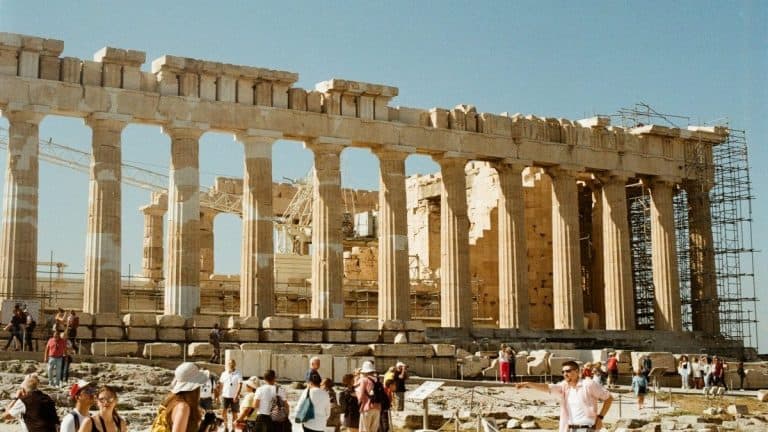
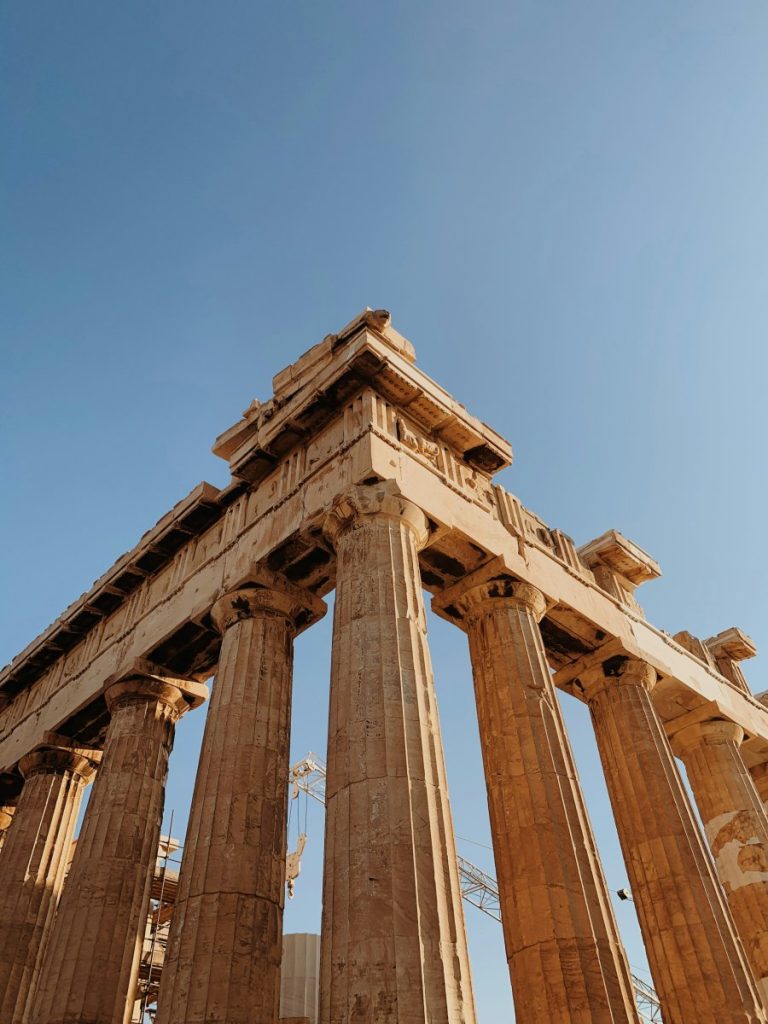
The Acropolis is the one thing on this list I’ll admit actually lives up to the hype.
Famous landmarks usually let you down a little once you’re standing in front of them. This one hasn’t for me, no matter how many times I visit.
You start at the Propylaea, the gateway onto the hill. Due to the never-ending wars of the antiquity half the columns never got their finishing touches, but it’s still one of the most underrated places on-site. I always take a few minutes there to just stand and enjoy the views of the city, something that has become a small ritual that I’ve really come to love.
Keep walking and the Parthenon is suddenly right there in front of you, the temple built for Athena, once home to a giant gold-and-ivory statue of her that’s long gone. Ever since hearing about that story in elementary school, I’ve imagined what might have actually happened to it.
The temple is much bigger up close than you expect, even when you’ve seen it in a hundred photos already. I’ve only felt something this similar when visiting the pyramids in Egypt and the Registan square in Samarkand.
The Erechtheion sits off to the side, smaller, quieter. Its Porch of the Caryatids, six women carved in stone and holding that roof up becomes even more impressive when you realise it was made before most countries on earth even existed.
Entry is capped at 20,000 people a day now, so I wouldn’t just show up and hope. Book ahead, and go early. Really early. Past about 11am the heat and the crowds and the total lack of shade all hit at once, and there is nowhere at all to hide from the sun up there.
For ticket timing and what to expect once you’re inside, I’ve written a full guide to visiting the Acropolis. And if the whole “book ahead” thing is stressing you out, my breakdown of what needs booking in advance in Athens covers exactly how far, for everything, not just this.
2. The Ancient Agora & Hephaisteion
- Address: Athens 105 55
- Ticket: 20€ ($23.16)
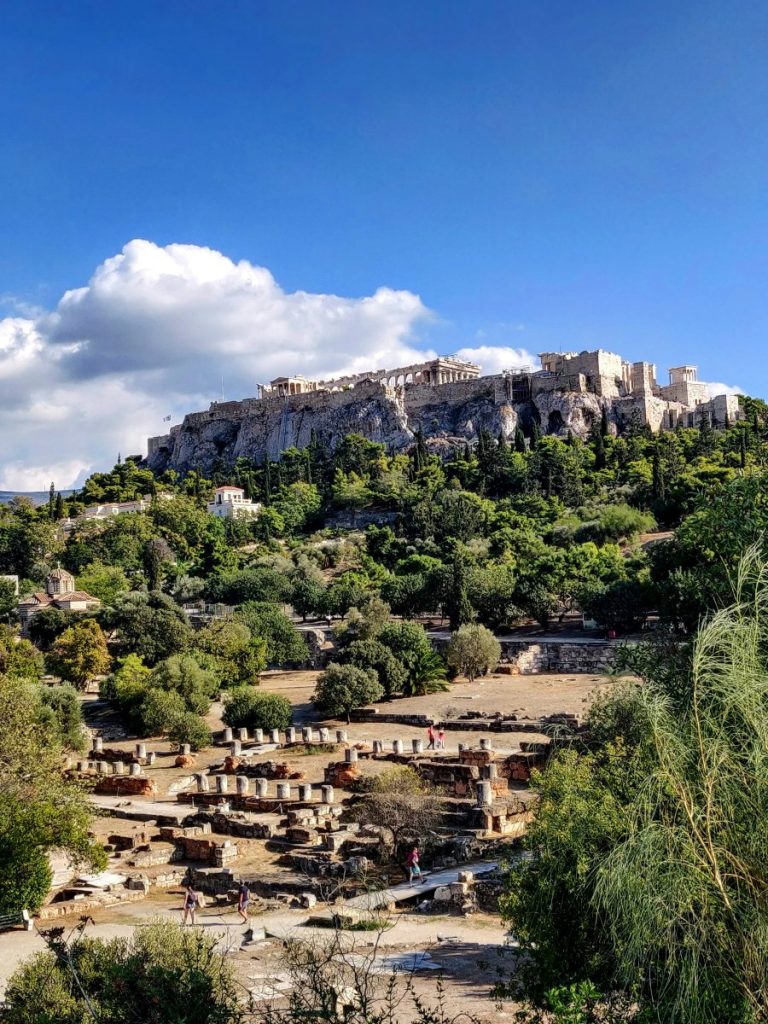
I am a bit ashamed to admit it, but it was only recently when I visited the Agora for the first time. For years, I was absolutely sure that I’d been there, only to realise that it wasn’t the case. So I had to correct this. And honestly, I loved my time there.
The ticket is pricy for greek standards, but the site is large enough, and important enough, that makes it worth the cost.
Where the Acropolis represents the religious side of ancient Athens, the Agora shows how people actually lived, worked, and argued, day to day.
It was basically the centre of public life in ancient Athens, the place citizens came to shop, meet, argue politics, and listen to philosophers hold court in the open air. In antiquity it would have been loud, crowded, and constantly moving, nothing like the quiet ruin you walk through today.
The Temple of Hephaestus is one of the best-preserved ancient Greek temples anywhere, sitting slightly above the rest of the site so it keeps catching your eye no matter where you are standing.
Once there, look closely and you can still make out carved scenes from the myths of Heracles and Theseus running along its friezes.
I visited during early afternoon on a summer day and it ended up being a fantastic decision. Walking around the small forest during sunset and coming across these ancient pieces of art was so serene that I ended up staying as much as I was allowed to.
It’s a shame that opening hours change in winter, but I’m not sure it would have been equally enjoyable.
3. The Herodion
- Address: Dionysiou Aeropagitou, Athens 105 55
- Ticket: Free
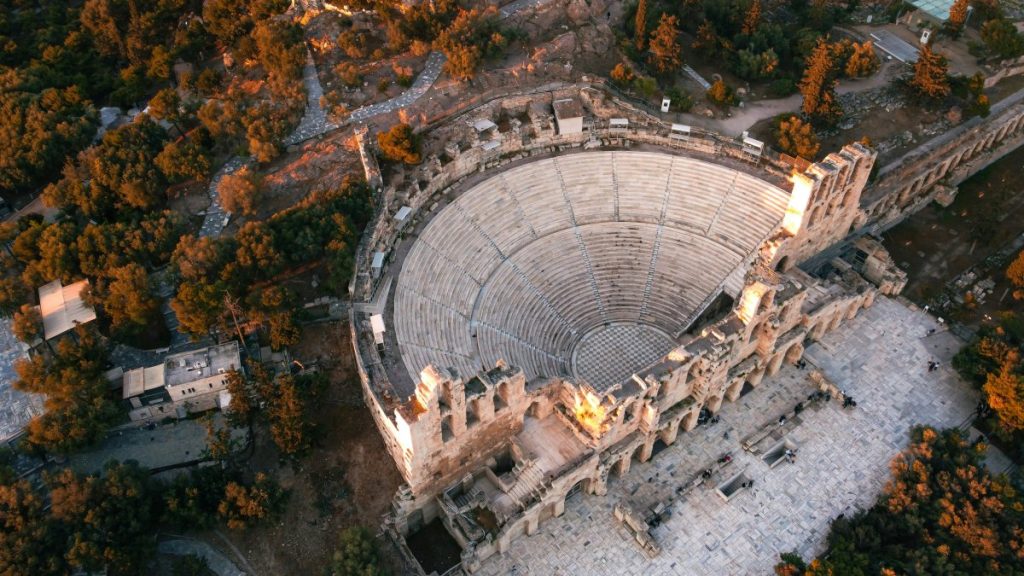
The Odeon of Herodes Atticus is an ancient amphitheatre on the Acropolis slopes, built in the 2nd century AD by Herodes Atticus in memory of his wife.
The stone, the curve of the theatre, and the way it sits tucked below the Acropolis all add up to something making the small detour worth it.
You’ll probably end up passing through it anyway while walking through Dionysiou Aeropagitou, the pedestrian street that connects Plaka to Monasitraki.
There are still plays and concerts organised there from time to time, so it’s worth checking out, because it gives a whole different angle to the experience.
Fun fact: the Odeon picked up some modern pop-culture fame when Coldplay filmed part of their “falling in love” music video here.
Hidden Gems & Unique Historical Spots
4. The Athens Catacombs
- Address: Fillelinon, Athens, 105 57, Greece
- Ticket: 8€ ($9.27)
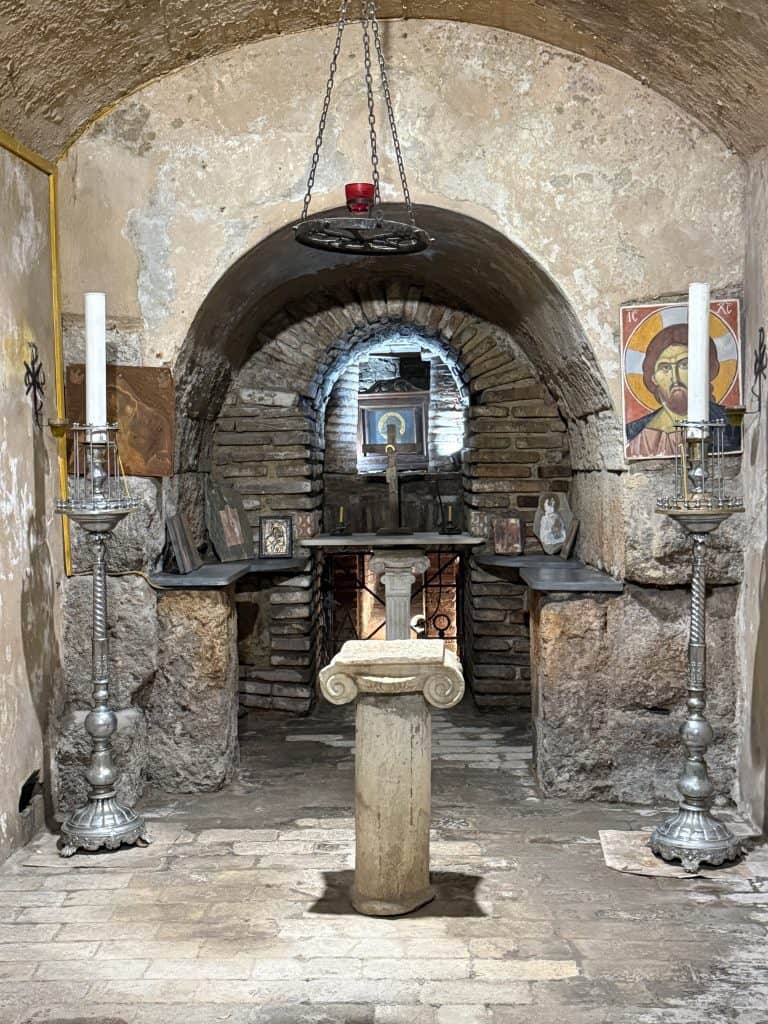
The catacombs beneath the Holy Trinity Church are easily one of the strangest yet most enjoyable things I’ve done in this city.
The church itself is worth a quick stop, but the real reason to visit is what lies underneath.
Once a few people have gathered, a small tour begins, led by the cantor, who takes you down through a trapdoor and guides you through the history of both the church and the ruins. The tour is done in both Greek and English so there is no worry about any language barriers.
Our cantor turned out to be a fantastic and very funny guy. He was more than happy to answer all the (many) questions we had about the history of the place, which made the whole experience even more enjoyable.
Down in the catacombs, you’re standing among the remains of an ancient sanctuary once dedicated to Apollo, walking past sections of a Roman bath’s heating system and patches of early Christian mosaic still preserved on the floor.
Somewhere in those same passages, the city’s first Christians are believed to have hidden for days at a time to escape persecution.
But perhaps the most intriguing detail was the depiction of former King Otto as a saint. Apparently, it was a “gift” from the church in exchange for permission to function. Of course, they couldn’t exactly write that it was the king’s face, which makes the whole thing even more interesting.
5. Pnyx Hill
- Address: Pnyx hill, 117 41
- Ticket: Free
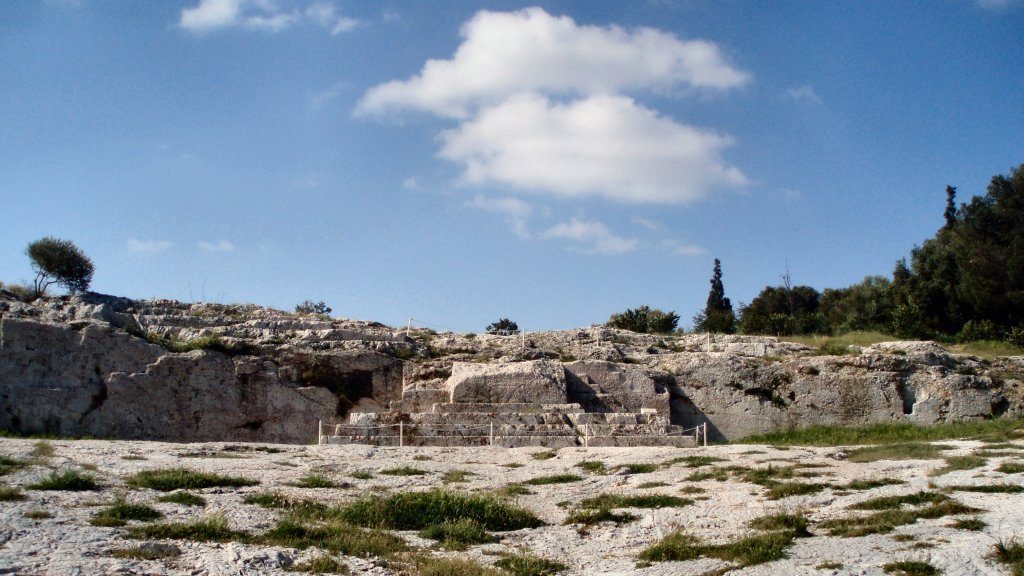
The hill is right across from the Acropolis, but does not get a lot of attention. That’s a shame, because this is where the Athenian Assembly met, the place where citizens gathered to speak, listen, and vote.
The stone platform where speakers addressed the crowd is still there, and you can stand on it yourself.
The site itself is just rock and open sky, and it’s one of the clearest reminders anywhere in the city that democracy was something performed in public, in front of everyone.
There isn’t much to “do” here in the usual sense, and that’s exactly the point. You walk around freely, sit on the rocks, and stay as long as you want.
It also happens to be one of the best spots in the city for sunset, with the Acropolis lit up right in front of you. There are no opening and closing hours, so visiting during that time is as good as it gets.
6. The Daphni Monastery
- Address: Iera odos, Chaidari 124 61
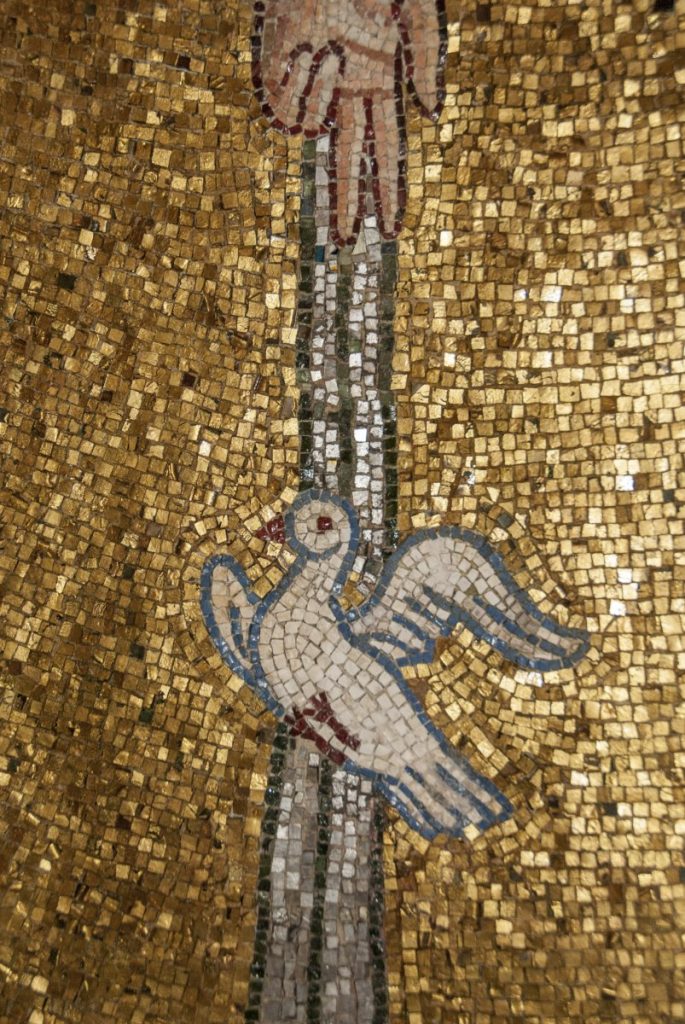
A monastery on the western edge of the city surely doesn’t make it onto most first-time itineraries. Still, Daphni Monastery is a UNESCO World Heritage Site, best known for its gold-background mosaics, among the finest surviving examples of Byzantine art.
The 11th-century building sits at the center of a walled complex, with remains of the old cells, refectory, bathhouse, underground cistern, and other buildings scattered around it.
Inside, the first thing that you’ll notice is its large dome. At its center, Christ is shown from the waist up, looking directly downward toward the people inside the church.
Below him, the walls depict scenes from the life of Christ and other episodes from the Gospels. The scenes are arranged so that, as you move around the church, you can gradually follow the story.
What’s particularly surprising, given the strict conventions of Orthodox religious art, is how the figures are inspired from the artistic traditions of ancient Greece and Rome. Their natural proportions and graceful poses, are in fact not that common in Byzantine art.
It’s worth allowing 30-45 minutes to see the church and walk around the monastery grounds.
I’d argue that if you’ve already covered the big highlights, Daphni is a rewarding stop in its own right. However, it’s not the easiest place to reach with public transport, and I came to learn this in the hard way.
Best Neighborhoods to Explore
7. Anafiotika
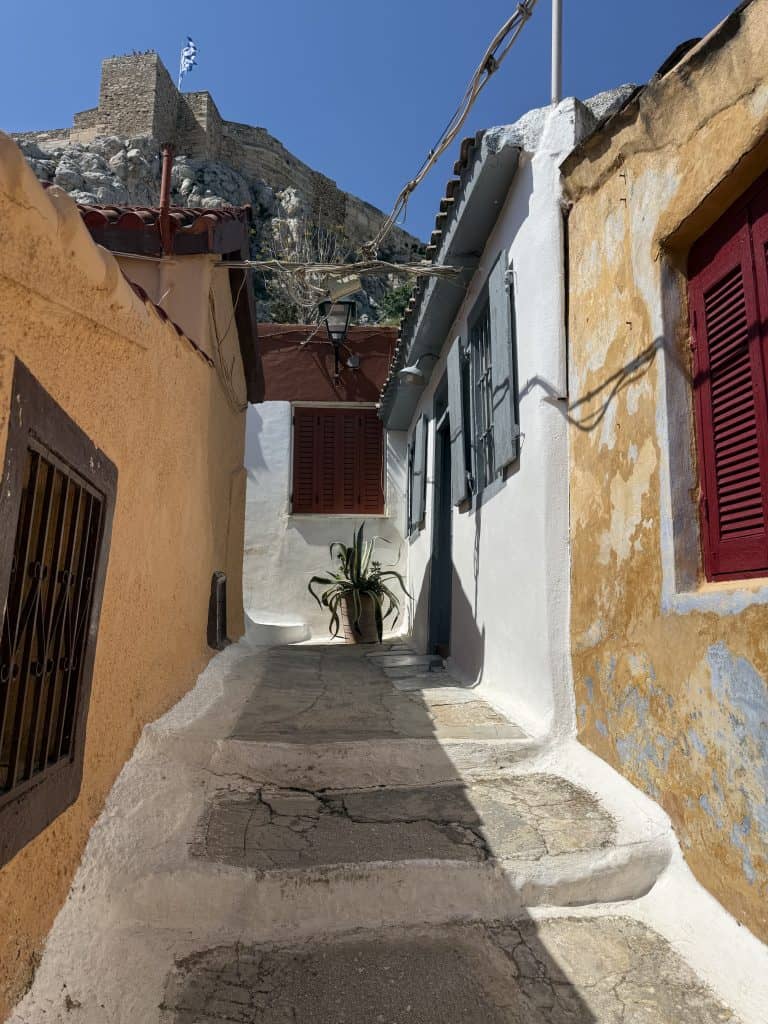
Anafiotika is one of the prettiest corners of the centre, even if “neighbourhood” almost is too big a word for it.
White houses, narrow paths, blue shutters, flowers, cats, tiny churches, and for a few minutes it feels closer to a Greek island than the middle of a capital city.
It was built in the 19th century by workers from the island of Anafi, brought in to help construct King Otto’s palace.
What people don’t know is that the houses were actually built illegally, overnight. For years, the Greek state planned to demolish the area, and parts of it were torn down over the 20th century, but it survived and was eventually protected.
Around a dozen families still live there today, even though they still haven’t received official ownership status and remain at risk of losing their homes.
Walking through, you’ll pass two small churches, Agios Georgios tou Vrachou, with beautiful views and a simple, island-style look, and the quieter Agios Symeon.
Sometimes, an old man comes by to play Greek music. When he does, he’s more than happy to chat with passers-by and share stories about the history of Anafiotika.
He quizzed us on the history like we were locals and was genuinely surprised by how much we got right. So I’m taking that as a win.
For food nearby, the better-value options are just outside the neighbourhood itself. Lyra is a solid pick for modern Greek dishes, while Scholarchio is a long-standing, classic taverna you can trust for fair prices and good food. They are technically located in Plaka, however, they are close enough to be mentioned here.
8. Exarcheia for Athens’ Best Nightlife
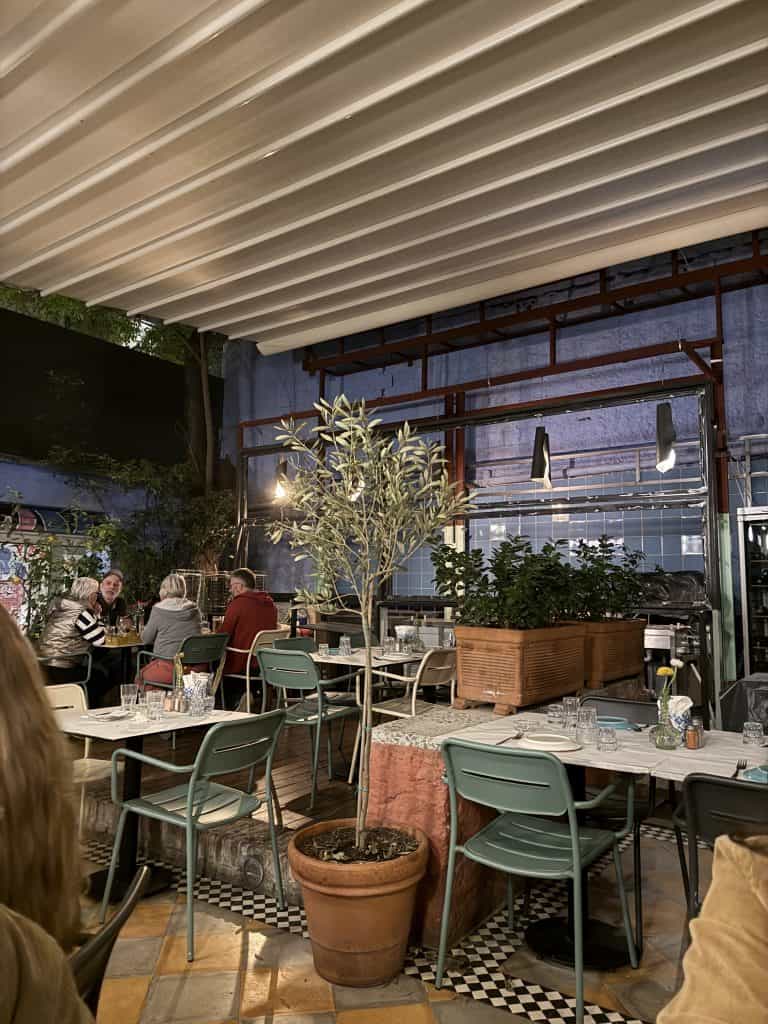
Exarcheia is one of the most underrated neighbourhoods in Athens for a night out. It still gets treated as somewhere crime-ridden and intimidating, but I’ve always found that reputation much louder than the reality.
What you get instead is a bohemian, alternative evening, small bars, live music, streets that still feel authentic. It hasn’t completely escaped the rapid gentrification happening across the city, but it still holds up.
For dinner, I like Giantes, especially for its old-school courtyard and modern Greek cooking.
Afterwards, head towards Kallidromiou or Valtetsiou and see where the evening takes you. Enikos is a good choice if you want somewhere quiet enough to talk. Falaina is smaller and more casual, better suited to a cocktail, while Warehouse is another good wine-and-food option.
And to finish with something distinctly Greek, stay out for rebetika. Kavouras is one of the neighbourhood’s traditional spots, with live music upstairs above a souvlaki shop near Exarcheia Square.
Rebetika is sometimes described as the Greek blues, and there’s just something about hearing it here, late at night, in one of Athens’ most stubbornly independent neighbourhoods.
Have dinner, pick a bar, walk around, listen for music and just enjoy the night in one of the centre’s last authentic neighborhoods.
Museums Worth Visiting
9. The Acropolis Museum
- Address: Dionysiou Aeropagitou 15, Athens 117 42
- Tickets: 20€ ($23.16)
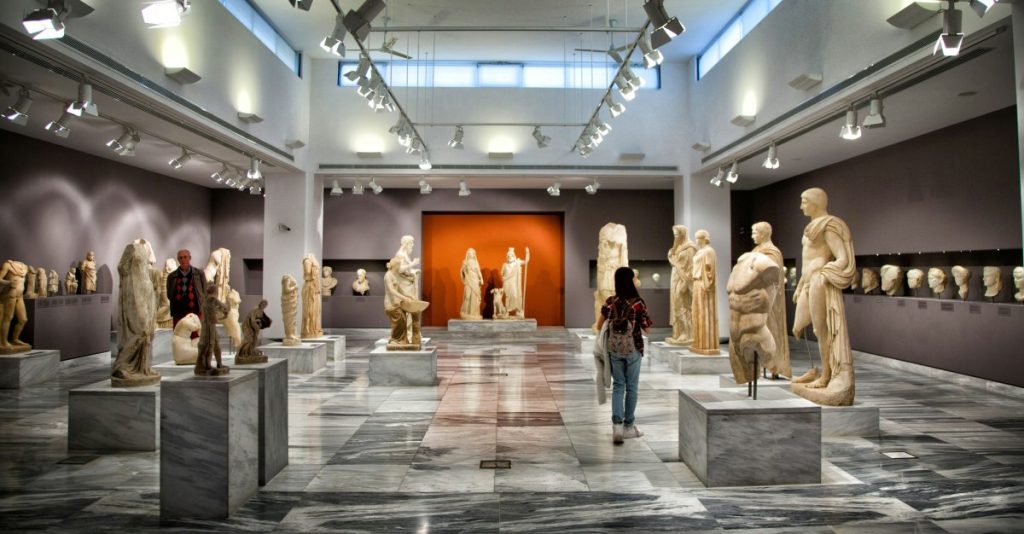
When it comes to museums in Athens, I don’t think that it can get any better than this. The museum houses the original sculptures, statues, and everyday objects that once stood on or around the Acropolis itself but were deemed too fragile to keep on-site.
My favourite part is the Parthenon Gallery on the top floor, where the sculptures are arranged in the same sequence they once occupied on the temple, with the Acropolis visible through the glass behind them.
I feel, however, that the Caryatids deserve their own mention as well. They stand in the same formation they once held on the Erechtheion, but there’s a gap in the row. One of the original figures is now in the British Museum, something that has become a subject of heated political debate in Greece.
To me, the empty space is made to be a statement, a place being held for a missing sister, waiting to be reunited with the others.
The museum restaurant deserves its own mention too. Acropolis views, Greek food with a modern touch, and a nice way to end the visit after the galleries, even though the prices run steep by Greek standards.
10. Explore the Athens Museum scene
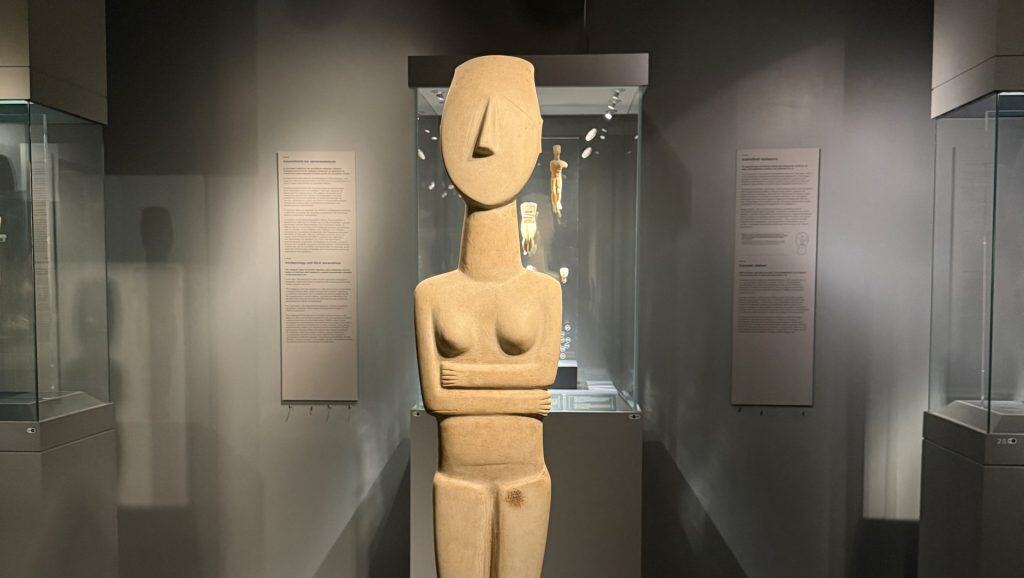
Athens has far more museums than a single trip could ever leave room for, which sounds great until you’re standing there trying to decide what comes after the Acropolis Museum.
From there, the options really do split in different directions.
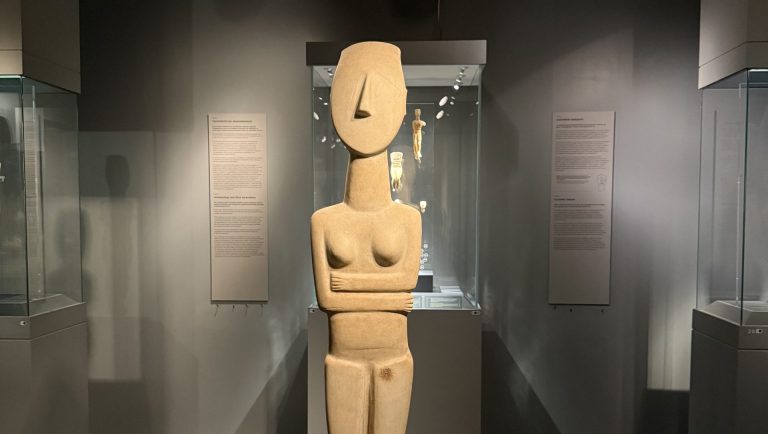
Go to the National Archaeological Museum if you want the big masterpieces, the Museum of Cycladic Art for something smaller and more beautifully curated, or the Numismatic Museum, which has far more charm than its subject suggests.
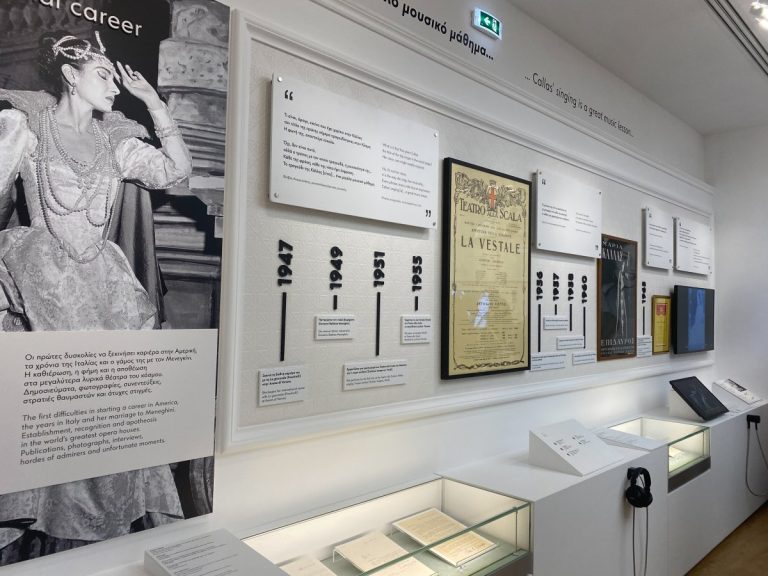
The Benaki Museum gives a broader sweep of Greek history, and something like the Maria Callas Museum is more niche, but the kind of place that can still stay with you longer than you’d expect.
I know that it all might sound confusing at first, but I’ve put together a oundup of the best museums in Athens to help narrow it down. And if smaller, more specific museums are your thing, I’ve also written a full review of the Maria Callas Museum.
Best Views in Athens
11. Lycabettus hill

Athens has plenty of viewpoints. But when it comes to what is close to the centre, this is hands down the place with the best views in Athens. It is also the perfect spot to truly understand the scale of the city.
If I had to describe it in one line, this is where Athens becomes calm, despite how busy it usually is.
You can walk up if you’re feeling energetic, or take the funicular (round trip costs 13€ / $15) if you’d rather take the easier route. Both do the job well.
At the top there’s the small white chapel of Agios Georgios and plenty of room to just stand, sit, and take it in, plus “Prasini tenta”, a small café-restaurant that makes a good stop once you’ve had your fill of the view.
Sunset is the best time to experience it, but it can get quite crowded. Visiting during on weekdays doesn’t completely eradicated the problem, but surely helps.
Food & Drink Experiences
12. Eat souvlaki and gyros

You can’t really say you’ve eaten in Athens until you’ve had souvlaki or gyros at least once, ideally standing up, wrapped in paper, with no elegant way to eat it.
Warm pita, tomato, onion, fries, and some kind of filling tucked inside, whether that’s grilled meat, spit-roasted gyros, or, thankfully, a very good vegan version too.
The terminology can get quite confusing. Souvlaki and gyros aren’t exactly the same thing, although what each one means can depend on where in Greece you are.
In Athens, meat grilled on a skewer is called kalamaki, while souvlaki can refer to the whole pita wrap. In northern Greece, the same thing may simply be called souvlaki. Gyros, meanwhile, is meat cooked on a vertical spit and shaved into the pita.
This has become a running joke between northern and southern Greece, but there’s no point getting too hung up on it. Just order what looks good.
Prices are still fairly reasonable by European standards, although I can remember when a wrap costed €1.80, which tells you how much things have changed.
My own favourite is the vegan souvlaki at Cookoomela in Exarcheia, proof that you don’t need meat for this kind of food to work. It’s also one of the stops in my guide to vegan spots in Athens.
And don’t overthink where to go. Find somewhere busy, see where the locals are queuing, and follow the smell of grilled meat. That’s by itself a pretty good recommendation.
13. Try Loukoumades

Loukoumades are Greece’s answer to doughnuts, if doughnuts were smaller, stickier, and much harder to eat politely.
They’re little fried balls of dough, crisp outside and soft inside, best eaten while they’re still hot, and the classic version comes with honey and cinnamon. Newer versions turn up topped with chocolate, pistachio cream, ice cream, or fruit, especially at the places that specialise in loukoumades and nothing else.
I’d recommend Stani for a traditional version, while LUKUMAΔΕΣ for a more modern twist. They’re best shared, ordered after dinner, or grabbed late at night, messy, sticky, and impossible to eat with any real dignity.
14. Try Freddo Coffee

Drinking freddo espresso is a habit almost as greek as financial mismanagement.
Strong espresso, shaken with ice until chilled and lightly foamy, served cold and drunk slowly. It’s clean, bitter, refreshing, and very much a part of everyday life in Athens, no matter the season.
It became popular in Greece in the early 2000s, when younger coffee drinkers started moving away from instant coffee (the classic frappé) and toward espresso-based drinks.
Greeks adapted espresso to the climate, keeping it cold but preserving its intensity (and basically insulting Italians). The result was freddo espresso.
Today, you’ll see people carrying one everywhere, from early morning to late afternoon. It’s not meant to be rushed, and it’s definitely not meant to be overly sweet.
For a quick coffee on the go, you’ll find plenty of branches of Il Toto, Coffee Lab, Coffee Island, and Gregory’s around the centre. I usually prefer taking my coffee away anyway when I’m walking around the city. Grab a pastry or a sandwich with it and keep walking.
There’s also a small bonus to taking it away: the VAT on takeaway coffee is lower than when you sit in, 13% versus 24% for coffee consumed on the premises. So apparently, in Greece, even the taxman wants you to stop sitting around and go explore Athens.
15. Take a Cooking Class

A cooking class is one of the better ways to do something food-related in Athens that isn’t just another restaurant booking.
You spend around three and a half hours with a small group, cooking your way through a whole spread of Greek dishes rather than just watching someone else do it.
At SOYBIRD, the Greek class is entirely vegan, but you don’t need to be vegan (or have any cooking experience) to enjoy it. Everyone is divided into small teams, with each pair taking responsibility for a couple of dishes while the instructors walk you through the recipes and techniques.
And there’s a surprisingly big menu. Depending on the class, you might make moussaka with cashew béchamel, spanakopita, fava, tzatziki, dakos, almond feta, koulouri and ekmek for dessert.
The best part comes afterwards. Everything gets put on the table as one big shared meal, with wine, beer and other drinks included. You sit down with the people you’ve just spent the last couple of hours cooking with and eat the whole thing together.
SOYBIRD runs the classes from its kitchen in Koukaki, close to the Acropolis, and the groups are kept relatively small so that you actually get involved rather than standing around watching. They also give you the recipes afterwards, which means you can at least attempt to recreate the meal once you’re back home.
It’s a particularly good pick if you want to leave Athens with something more useful than photos of food you didn’t make yourself, and, ideally, the ability to make a decent moussaka when you get home.
16. Greek Wine Tasting
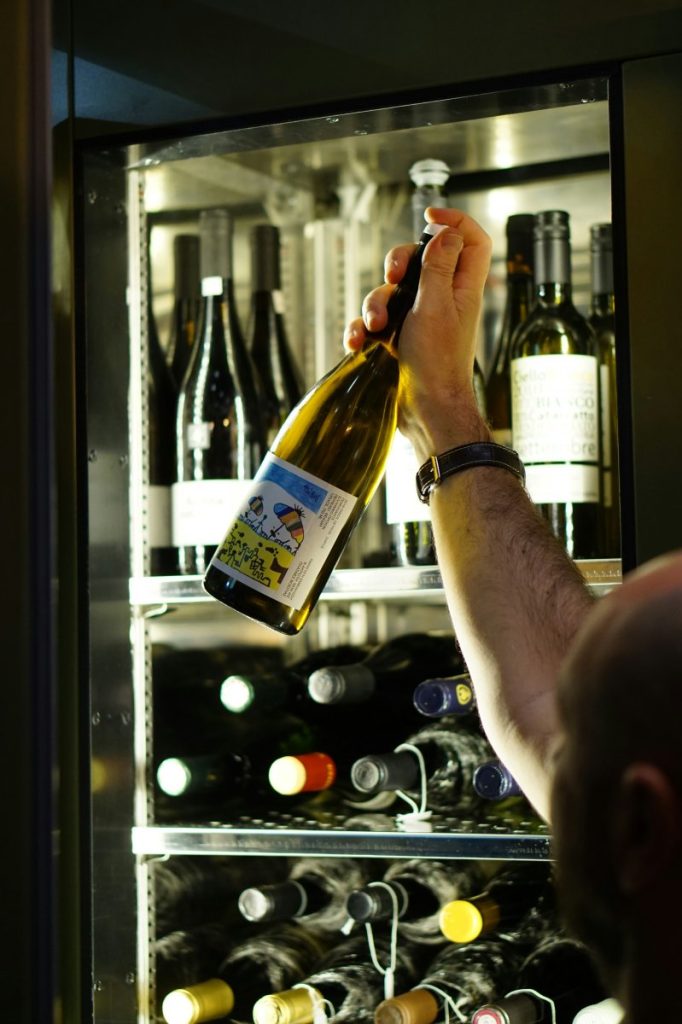
Wine lovers have a good excuse to go deeper in Athens than just ordering a glass with dinner. A proper tasting is an easy way to get a feel for Greek wine without doing the homework yourself, and it usually comes with cheese, olives, and bread.
A formal tasting isn’t the only route, though. Athens has some very good wine bars, and Drunky Goat is the one I keep going back to. The wine’s excellent, the food holds up just as well, and it’s an easy place to lose an early evening without meaning to.
Unique & Local Experiences
17. Attend a festival at Gazi

This former industrial neighbourhood has become one of the city’s main event spaces, with most events happening at Technopolis, the old gasworks turned cultural venue, or the old OSY parking lot nearby.
Both are spacious and industrial, built for crowds, food stalls, and stages rather than polish.
Three stand out, and I look forward to all of them every year.
The Athens Street Food Festival does exactly what it says on the label: pop-up stalls from all over the city serving everything from burgers and bao buns to tacos, loaded fries, desserts, and plenty of things you probably didn’t come to Athens expecting to eat.
The best way to do it is with a group, order a ridiculous amount of food, and share everything until you’re completely full.
The Athens Coffee Festival says a lot about how seriously Greeks take their coffee. It brings together roasteries, coffee shops, equipment makers, and baristas from Greece and abroad, with tastings and plenty of opportunities to try different coffees. Your ticket also gets you as much coffee as you can physically drink.
I still remember one year when I had so many espresso shots that I spent the rest of the evening shaking. In retrospect, I probably should have discovered the existence of water a little earlier.
Then there’s Vegan Life Festival Athens, one of the nicest surprises on this whole list and my personal favourite, even if you’re not vegan yourself. It covers plant-based food, sustainability, and ethical living in a very welcoming way.
18. National Theatre Performance
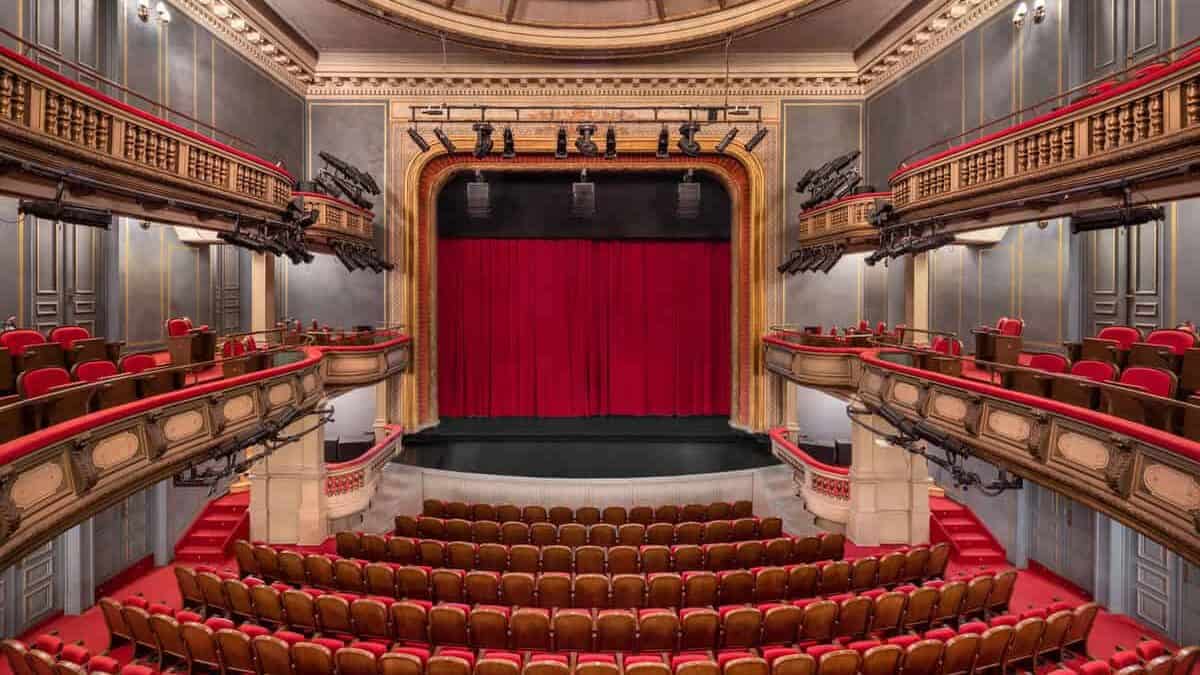
- Address: Agiou Konstantinou 22, Athens 104 37
The National Theatre of Greece is a good pick for a cultural evening that’s a step away from the usual museum-and-ruins routine.
It’s a grand neoclassical hall near Omonia, all velvet seats and painted ceiling, the kind of room that makes you sit up a little straighter than usual. The programme moves between ancient drama, modern Greek plays, and international work, so it’s worth checking what’s on while you’re in town.
This season, performances with English surtitles include The Cherry Orchard and Doll, based on A Doll’s House, and summer productions like The Persians and Lysistrata are also getting English surtitles on selected dates.
It’s a particularly nice option if you’re wondering what Greek theatre actually looks like today. Instead of just seeing the ruins, you can spend an evening sitting in a working Greek theatre and watching a performance.
19. Athens Planetarium

- Address: 387 Syggrou Ave, Athens
I’ve been going to the Athens Planetarium since I was a kid, and it still holds up. It is equally good for children and adults, which probably explains the staying power.
The planetarium is part of the Eugenides Foundation and has one of the largest digital domes of its kind in the world. The dome is enormous, the projections are genuinely immersive, and the shows manage to be educational without becoming overly technical or dry.
The programme covers everything from astronomy and the origins of the universe to space exploration and the planets, with different shows aimed at different ages and interests. Some are more spectacular and visual, while others go deeper into the science, so it’s worth checking what’s playing before you book.
20. Take a Photo tour
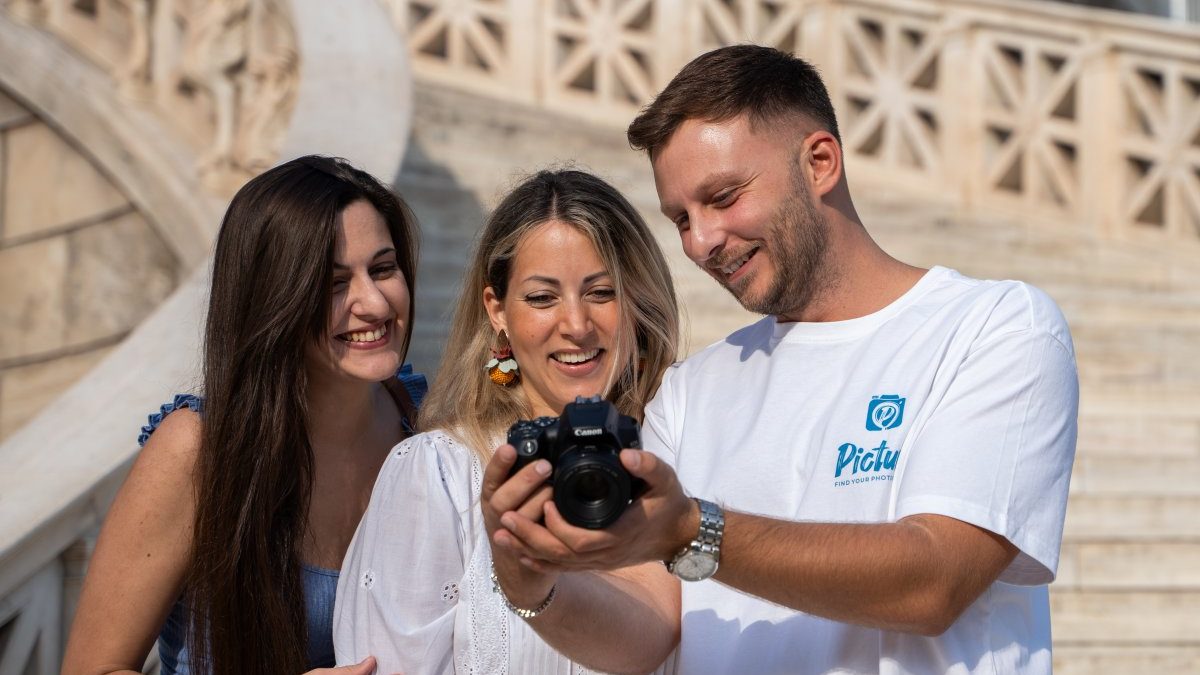
A guided photo tour is worth booking if you want to avoid a phone full of near-misses, ideally with a local photographer who knows the light, the empty angles, and the best spots in the city.
In my case, a phone with its memory completely full of them. I have an impressive collection of 47 almost-identical photos in Anafiotika, none of which are quite right.
Athens certainly doesn’t lack things to point a camera at, but that doesn’t mean the conditions are right for a good photo. The light around the Acropolis and Anafiotika in particular can be much less forgiving than it looks in Instagram photos. By midday, the classic viewpoints are often either backlit, washed out, or filled with other people’s elbows.
A tour like this takes most of the guesswork out of it. Your photographer already knows which hour the light works best, which streets are quieter, and exactly where to stand to recreate that shot you’ve seen a hundred times online.
It also means you get someone who can actually take photos of you, rather than having to awkwardly hand your phone to a stranger and hope they understand what you were trying to capture.
21. Attend a Stand up comedy show

Athens has a very lively comedy scene, and it has become one of my regular choices whenever I want something other than dinner followed by a long walk.
The Greek stand-up scene has grown quickly over the last few years. What was once mostly confined to small bars and underground rooms has expanded into comedy venues, with a growing number of Greek comedians building dedicated audiences and experimenting with different styles.
If you understand Greek, I’d definitely recommend checking out a Greek-language show. A lot of the best comedy is built around everyday Greek life, politics, bureaucracy, family, dating, and all the little absurdities that make sense much faster when you know the local context. Even if you don’t understand every joke, the energy of a good Greek crowd is an experience in itself.
For comedy in English, Athens English Comedy Club is the obvious starting point. They regularly bring together Greek and international comedians, and the lineups change often enough that it’s worth checking what’s on while you’re in town.
22. Explore the Escape room scene

For some reason, escape rooms really took off in Athens, and the city now has a surprisingly huge scene.
There are loads of them across Athens, with everything from horror and psychological thrillers to adventure, mystery, fantasy, and some genuinely bizarre themes. Some are fairly easy puzzle rooms, while others put much more emphasis on actors, atmosphere, and storytelling, so the experience can range from solving clues in a room to feeling like you’ve accidentally walked into a low-budget horror film.
I’m personally not a horror person at all, which my friends apparently see as an invitation to drag me into horror escape rooms whenever they get the chance. I’ve been promised “it won’t be that scary” enough times to know that this is almost certainly a lie. If you’re braver than me, though, Athens has plenty of creepy options to choose from.
For something less terrifying, there are plenty of adventure, mystery, and puzzle-focused rooms where you can concentrate on solving clues rather than wondering when someone is going to jump out of a cupboard.
So if you’re with friends and want something indoors, an escape room is a fun way to spend a couple of hours. It also makes for a good test of friendships: nothing reveals who the useless member of the group is quite like being locked in a room together.
You can find a list of available escape rooms in Athens online and pick whichever looks most like your kind of chaos.
Beyond the City Center
23. Swim at the Athenian Riviera

One of Athens’ biggest advantages is that the sea is never far away. The Athenian Riviera stretches along the southern coast, with beaches, beach bars, and swimming spots that are surprisingly easy to reach from the city centre.
It’s not a tropical escape, but that’s not really the point. The water is generally clean, the beaches are convenient, and swimming is simply part of everyday Athenian life. On a hot summer day, being able to go from the centre to the sea without turning it into a full-day excursion is a pretty great luxury.
Vouliagmeni is where I’d send you first. The coastline here is greener and more scenic, with pine trees around the water and noticeably clearer swimming spots than you’ll find closer to central Athens. You can choose between organised beaches with sunbeds and facilities or quieter public spots if you’d rather keep things simple.
Glyfada, on the other hand, is livelier and more urban. Its long beaches are busier, but you also have cafés, restaurants, shops, and beach bars all around you, with plenty of places staying busy well into the evening. The swimming isn’t quite as impressive as Vouliagmeni, but Glyfada is the better choice if you want to combine a swim with people-watching, food, drinks, and a bit of shopping.
That said, I think Glyfada’s public beaches are seriously underrated. They are not as glamorous of the organised beach clubs, but if you just want to throw down a towel, get in the water, and spend a few hours by the sea without paying for a sunbed, they’re a great option. I often prefer that simplicity anyway.
There are plenty of other stops along the Riviera too, so you don’t necessarily have to commit to one beach for the whole day. Pick a spot, swim for a while, find somewhere for lunch, and carry on down the coast. Either way, the Riviera is an easy win.
Alternative Side of Athens
24. Dark tourism in Athens

While doing my research and visits in order to create this blog, I was very surprised to find that Athens has a darker side as well. Beyond the ruins, cafés, and views, there are former torture sites, abandoned hospitals, wartime traces, and stranger corners of the city that tell a very different story.
It’s not the version of Athens people come for first, but it’s there.
Some of these places are well known, while others are hidden in plain sight or easy to walk straight past without realising what happened there. They offer a completely different way of looking at the city and its history, and, in some cases, leave you thinking about Athens quite differently afterwards.
If that interests you, I’ve put together a full guide to the dark tourism spots in Athens, from the well-known ones to the places that are easy to miss entirely.
Tips for First-Time Visitors to Athens
- Book early. Flight and hotel prices in Athens can rise quickly and unexpectedly. For flights, I’d check Skyscanner. For ferries, Ferryhopper. For hotels, Booking.com.
- Stay central. Syntagma, Koukaki, Plaka, and Kolonaki are not always the cheapest areas, but they make the trip much easier, especially on a first visit.
- Sort out your data before you land. I would not pay airport or local-carrier prices if I could avoid it. An eSIM is the easier option. Saily has plans starting from $4.99, and the code NICK5 gives you 5% off.
- Avoid the worst of summer if you can. From mid-June to late August, Athens can get brutally hot. Walking around in 35-40°C (95-104°F) is not fun. Spring and autumn are far kinder.
- Do not overplan the day. Athens is not a city you rush well. Leave room for walking, coffee, meals that go on longer than expected, and neighbourhoods you did not mean to end up in.
- Do not take a random taxi from the airport. If you need a taxi, order it through Freenow or Uber. Otherwise, take the metro or the airport bus and save yourself the usual nonsense. I explain all of that properly in my Athens Airport Guide.
- Use the metro. The Athens metro is cheap, safe, and takes you almost anywhere. On Fridays and Saturdays it runs 24 hours.
- Eat where the city is eating. If the menu has photos, someone is trying to drag you inside, and nobody Greek is in sight, keep walking. A busy place, a queue, and no performance outside is a much better sign.
- Do not expect everything to run perfectly. Athens works better when you stop fighting its rhythm. Things run late, meals start late, and the day does not always move neatly.
- Don’t be scared of “ugly” neighborhoods. Some of the best food, cafés, and bars are in areas that don’t look perfect. Exarcheia, Psirri, and Gazi all prove that.
- Stay out later. Athens is better after dark. Dinner starts late, the streets fill up again, and a lot of the city’s energy only kicks in once the sun goes down.
Final Thoughts
Athens isn’t a perfect city. It’s noisy, chaotic, scruffy in places, and occasionally exhausting. It’s also funny, layered, full of life, and very easy to love once you stop trying to control it, which, honestly, sums up my relationship with it too.
Slow down, eat well, walk a lot, stay out late, and don’t take things too seriously. That’s basically the whole trick.
This guide won’t show you everything Athens has to offer, but it will show you the version I know.
And once you’ve got a feel for what the city’s like, the next thing that shapes a trip the most is picking the right base. It’s worth reading my guide on where to stay in Athens before you book, because the right neighbourhood changes how the whole city feels.